Just Wipe on Dish Soap and Window Condensation “Disappears”?! The Science of Spreading Water Droplets
Hi, I’m Ken Kuwako, your Science Trainer. Every day is an experiment.
You pull back the curtains in the morning and the window is dripping wet. Before you know it, the area beneath it has started to look faintly black and grimy… sound familiar? Winter condensation, if left alone, can turn into mold. But here’s the claim: just dilute some kitchen dish soap and wipe it on your windows, and you can stop condensation. Is that really true? I put it to the test.
Condensation shows up every winter. If it leads to mold, you end up with blackened window frames and spores floating around in the air, which isn’t great for your health. The good news is that there’s a simple trick to keep it at bay: mix up a diluted solution of dish soap and spread it on your window.
First, Let’s Recreate Condensation with an Experiment
Here’s a metal cup filled with water. When I drop ice into it, the air around the cup gets chilled, and its saturation vapor pressure drops. In plain terms, the air can hold less water vapor than before. The water vapor that no longer fits in the air turns back into liquid, forming droplets on the outside of the cup. That’s condensation.
It’s the same thing that happens when a glass of iced tea mysteriously ends up wet on the outside. Condensation occurs when warm air meets a surface that’s been cooled down. In winter, we heat our rooms and run humidifiers, so the indoor air is packed with water vapor. Then that air touches window glass chilled by the freezing air outside, and the same thing happens: your window ends up soaking wet.
Comparing a Cup with Soap on It
This time, I coated just part of the cup’s surface with diluted dish soap.
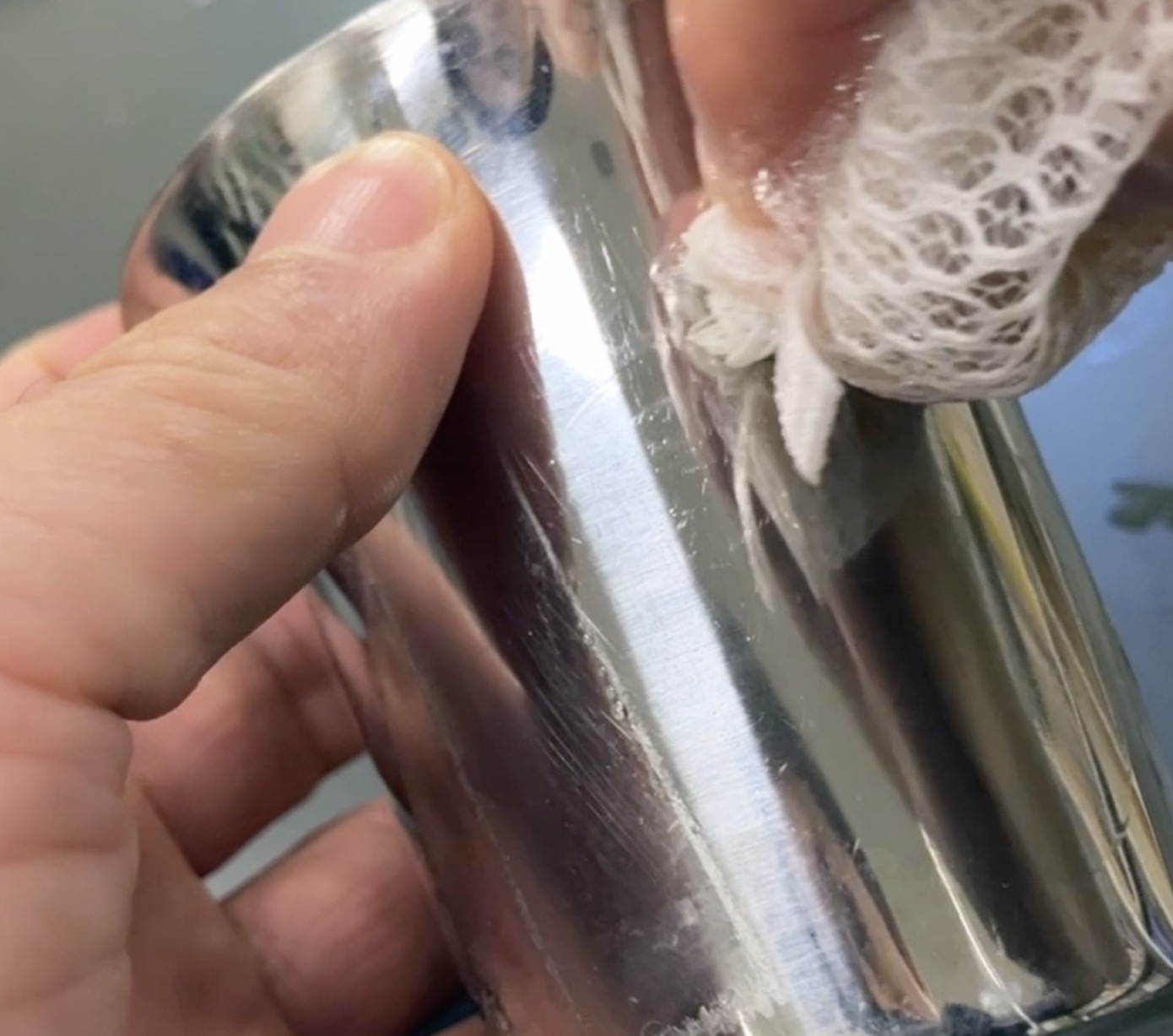
Then I chilled the cup in the same way, and look at that!
The coated and uncoated parts ended up looking completely different when it came to how the droplets formed.
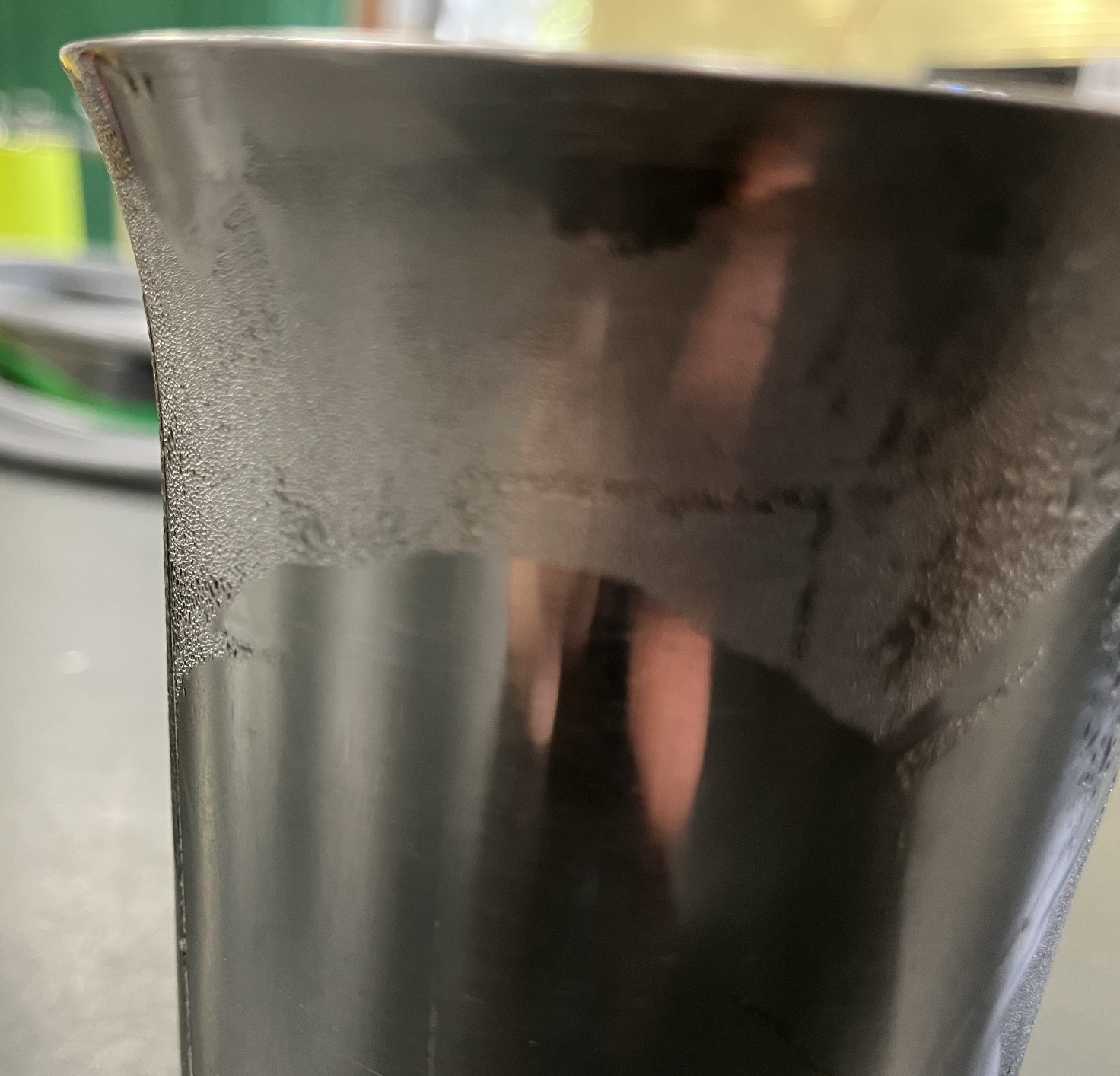
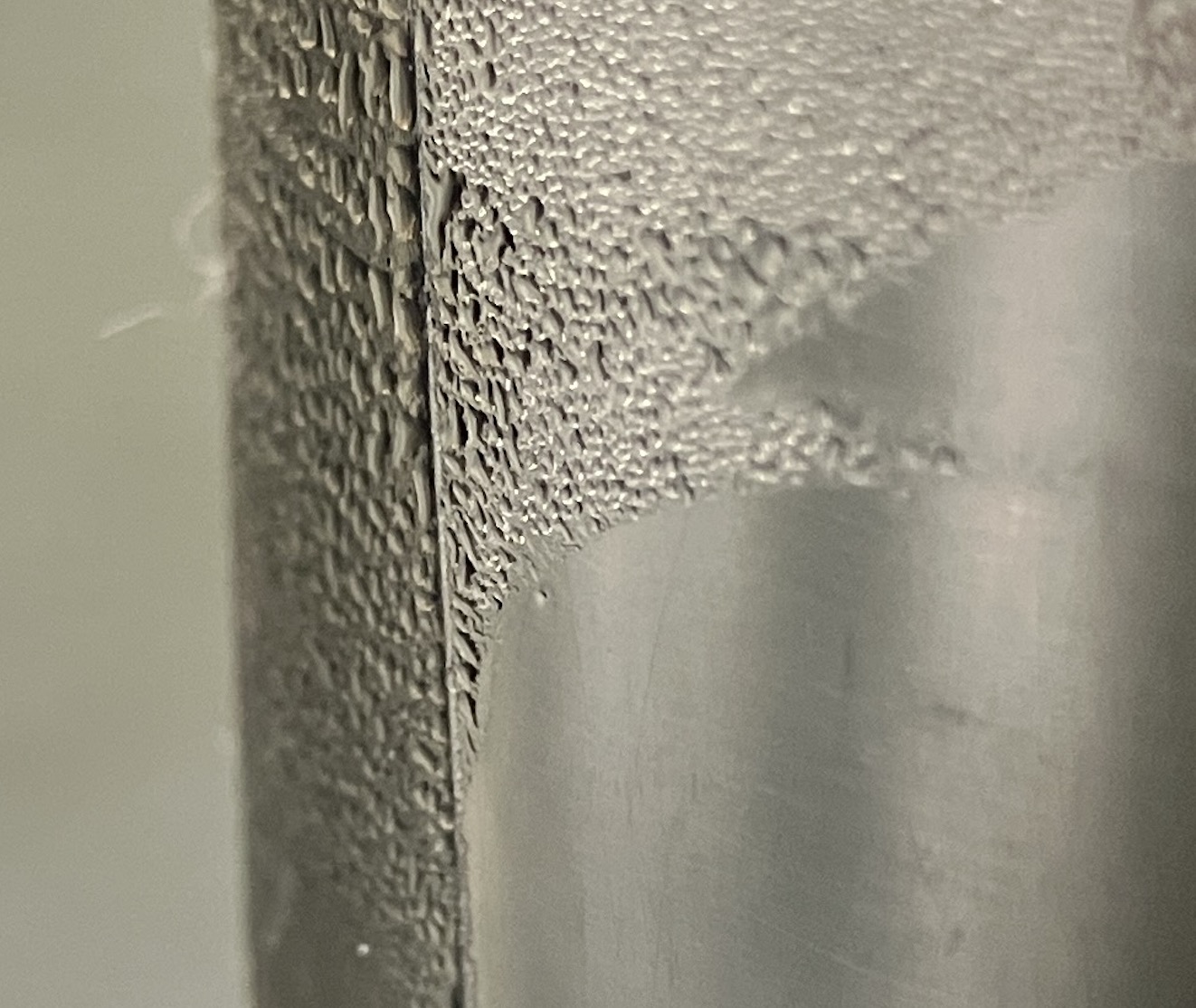
Zoom in and the difference is obvious. The coated area has almost no water droplets at all.
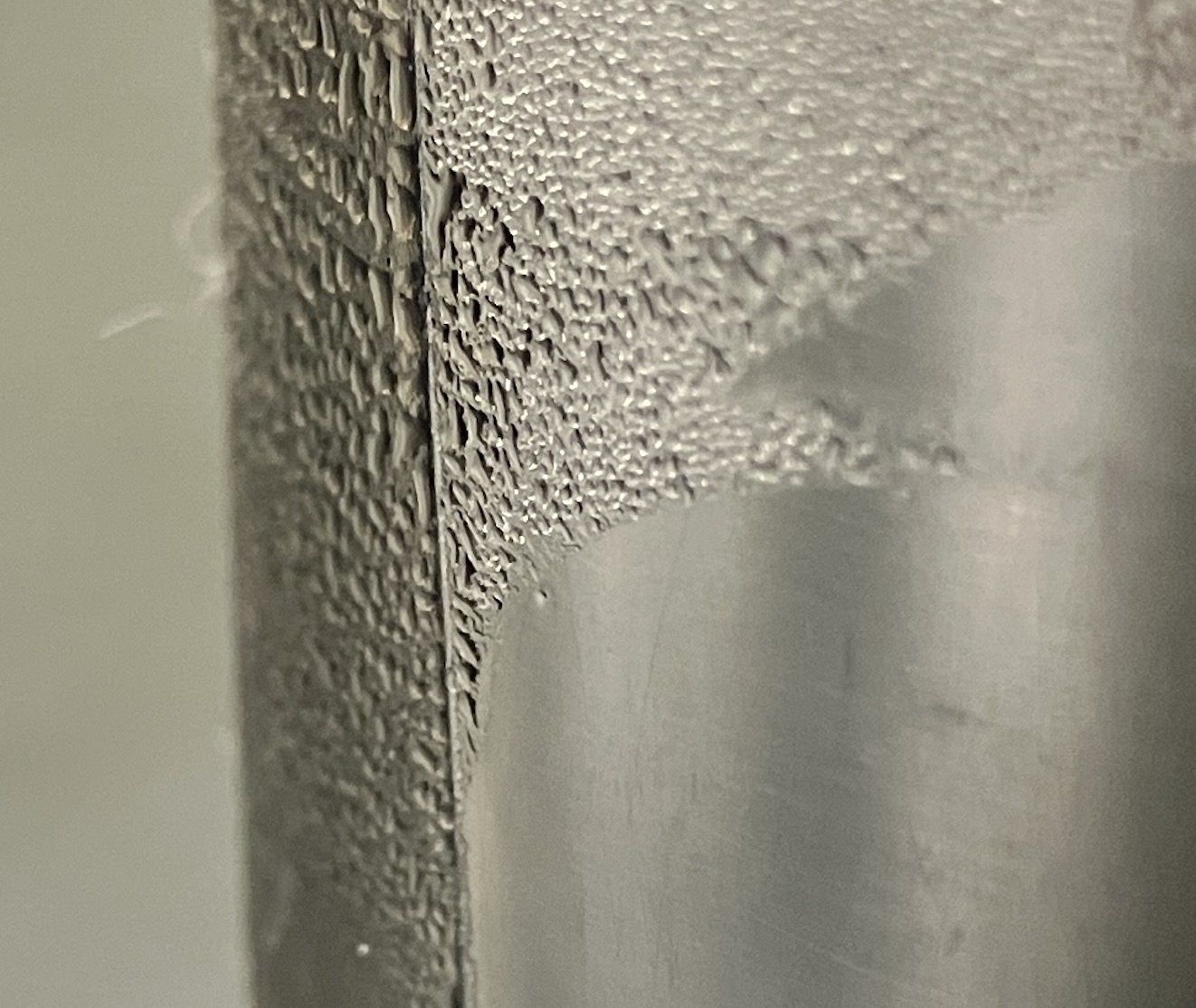
You can also watch the experiment in this video.
So why does this happen? The key players are surface tension and the surfactants found in dish soap.
So, What Exactly Is Surface Tension?
Water molecules attract one another. A molecule deep inside the water is pulled equally in every direction by its neighbors, so the forces cancel out. But a molecule at the surface has no water above it, so it only gets tugged by its neighbors to the side and below. The result is that the water surface tries to shrink as small as it can. That shrinking force is surface tension. It’s the reason water droplets are round and why a 1-yen coin can float on water.
Surfactants Are Masters at Weakening Surface Tension
A surfactant molecule has two personalities packed into one: a part that loves water, and a part that hates water and prefers oil.
When surfactant molecules go into water, the water-loving part (the hydrophilic group) wants to stay submerged, while the water-hating part (the hydrophobic group, also called the lipophilic group) tries to escape toward the air. So the molecules gather at the surface, lining up with their heads in the water and their tails sticking out into the air.
Now surfactant molecules have wedged themselves between the water molecules at the surface. The surface, which used to be held tightly together by water molecules pulling on each other, is now covered with molecules that don’t pull nearly as hard, so the shrinking force gets weaker.
Think of it like a group of people holding hands and pulling tightly together, and then someone who refuses to hold hands squeezes into the line. The overall pull gets much weaker, right?
Why Does Condensation Seem to Disappear?
When the cup’s surface cools down, water vapor in the air still turns into liquid and clings to it. That part doesn’t change. But with soap on the surface, surface tension is lower, so the water can’t pull itself together into proper droplets. Instead, it spreads out in a thin film across the surface, and at a glance it looks like there’s no condensation at all. In reality, condensation is still happening.
Think of raindrops beading up on a car windshield on a rainy day. That’s surface tension at work. On a soapy surface, that beading force is weakened, so the water just spreads out flat.
And when water spreads out thin instead of staying in round drops, more of it is exposed to the air, which means it evaporates more easily. This combination of spreading and quicker evaporation is what makes the trick work.
One caveat: the effect doesn’t last long. When condensation starts bothering you again, you’ll need to reapply.
Tips for Trying It Yourself
I bet you’re itching to try this on your own windows. When you do, dilute the soap well and spread it on in a thin layer. If it’s too concentrated, the soap can clump up and leave marks behind. Also, be sure to use it only on the inside of your windows.
Contact and Requests
Making science more fun and approachable! This blog collects easy, enjoyable science experiments you can do at home, along with tips to help you get them right. Try searching around!
・The content of Kagaku no Netacho (Science Idea Notebook) is now a book! Find out more here
・Learn more about the author, Ken Kuwako, here
・For all kinds of requests (writing, lectures, science workshops, TV supervision and appearances, and more), click here
・Get article updates on X!
 Kagaku no Neta Channel (Science Idea Channel) has experiment videos!
テレビ番組監修・イベント等のお知らせ
- 「ネイチャーティーチャー」(TBS)に出演しました。Tverにて11月3日(火)まで配信中です。

- サタプラ(MBS)にて「日常に潜む!ピンチ脱出法について」のコーナーに出演しました。Tverにて11月7日(土)まで配信中です。
- 11月4日(水) ZIP(日本テレビ)7:20頃放送予定(科学監修)
- 11月27日(金) テレビ監修番組放送予定
- 12月26日(土) ナリカサイエンスアカデミー(教員向け実験講習会)開催
11月のイチオシ実験!
どうして結露は起こるのか?結露を防ぐためには?実験で確かめよう!
書籍のお知らせ
- 『高校入試 分解問題集 理科』(学研)…難しい問題も小さな問題に分解することで、問題を解くことができます。そんな分解の技術が身につくように深く関わりを持って作りました。
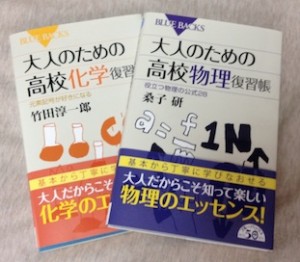
 『大人のための高校物理復習帳』(講談社)…一般向けに日常の物理について公式を元に紐解きました。特設サイトでは実験を多数紹介しています。※増刷がかかり6刷となりました(2026/02/01)
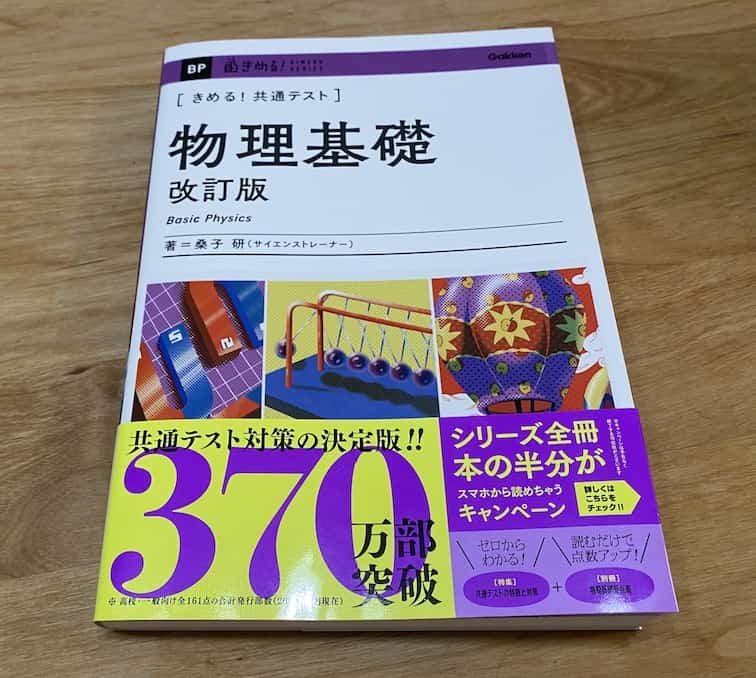
- 『きめる!共通テスト 物理基礎 改訂版』(学研)… 高校物理の参考書です。イラストを多くしてイメージが持てるように描きました。授業についていけない、物理が苦手、そんな生徒におすすめです。特設サイトはこちら。
各種SNS(更新情報をお届け!)
【日本語】X(Twitter)/instagram/Facebook 【英語】BlueSky/Threads
Explore
- 楽しい実験…お子さんと一緒に夢中になれるイチオシの科学実験を多数紹介しています。また、高校物理の理解を深めるための動画教材も用意しました。
- 理科の教材… 理科教師をバックアップ!授業の質を高め、準備を効率化するための選りすぐりの教材を紹介しています。
- Youtube…科学実験等の動画を配信しています。
- 科学ラジオ …科学トピックをほぼ毎日配信中!AI技術を駆使して作成した「耳で楽しむ科学」をお届けします。
- 講演 …全国各地で実験講習会・サイエンスショー等を行っています。
- About …「科学のネタ帳」のコンセプトや、運営者である桑子研のプロフィール・想いをまとめています。
- お問い合わせ …実験教室のご依頼、執筆・講演の相談、科学監修等はこちらのフォームからお寄せください。
 No Wires, Still Glowing! The Magic of Mutual Induction That Flashes an LED for a Split Second
 Just Wipe on Dish Soap and Window Condensation “Disappears”?! The Science of Spreading Water Droplets
 [Science Consultant] Why Does Your Hair Stand on End? A Boxwood Comb Creates Only 1/10 the Static of a Plastic One!
 How Does It Charge Just by Sitting There? We Took a Wireless Charger Apart!
 How Does Wireless Charging Work? The Secret Behind Coils and Magnetic Fields
 Can You Turn On the TV Downstairs from the Second Floor? The Science of the 3-Mirror Remote Control Experiment on TBS’s “Nature Teacher”
 The Magic of Electromagnetic Induction Is Amazing! How Suica, PASMO and Other Contactless Cards Work
 Not Red?! The “Rainbow Ammonia Fountain” That Turns Purple, Green, and Blue
 Why Don’t Planes Fall Out of the Sky? The Secret Family Tree of Flight, Found at the Aviation Science Museum