Experiment! What Happens When You Take a Bag of Potato Chips Up a Mountain? Almost Bursting at 2,237 m?! (The Mystery of Air Pressure)
Hi, I’m Ken Kuwako, your Science Trainer. Every day is an experiment!
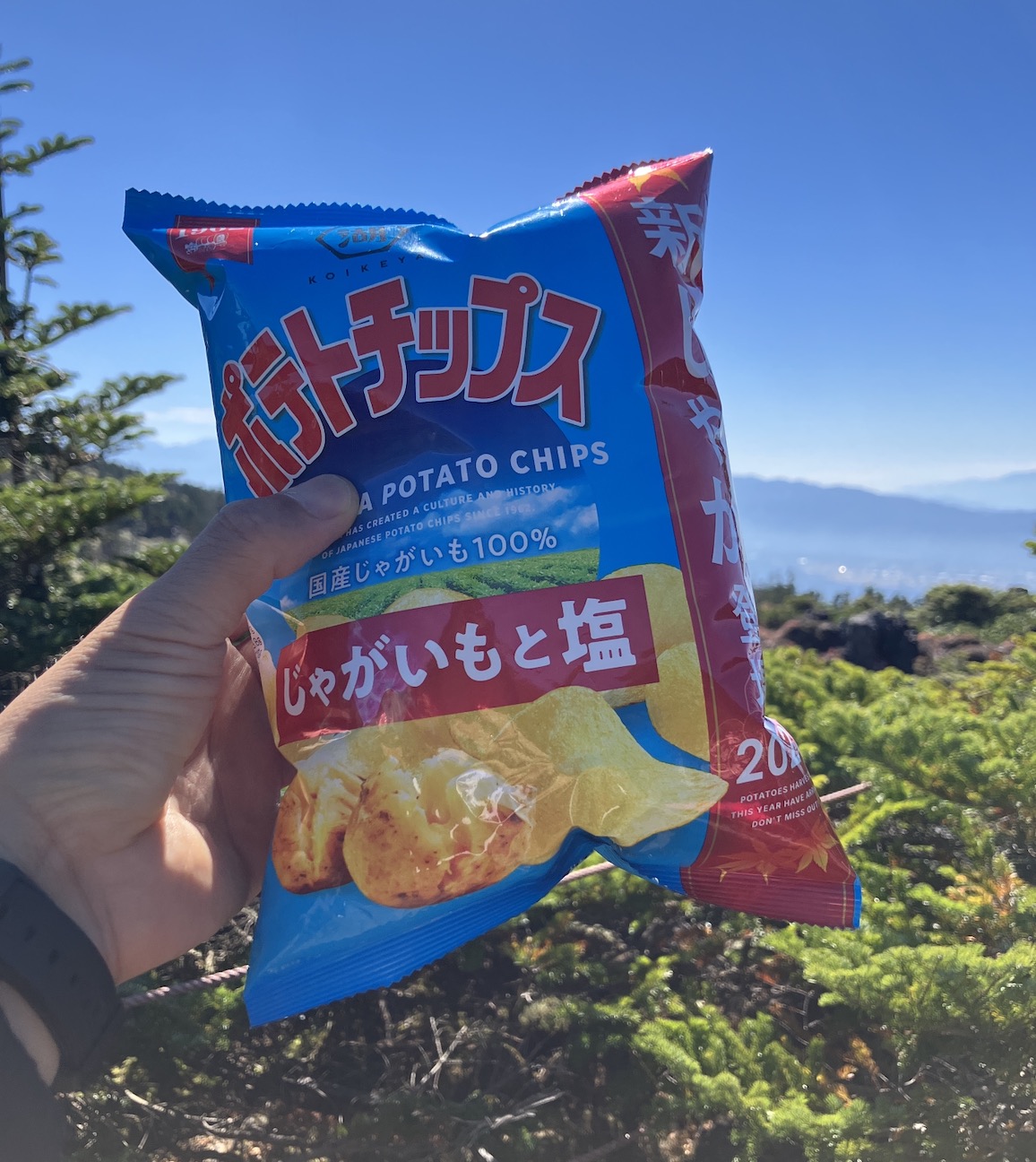
I pulled a bag of potato chips out of my backpack on a mountaintop at 2,237 meters, and it was puffed up like a balloon. It looked perfectly normal when I bought it at the supermarket down below. So what happened? And the setting was just as strange: Tsuboniwa in the northern Yatsugatake range, a garden strewn with lumps of lava.
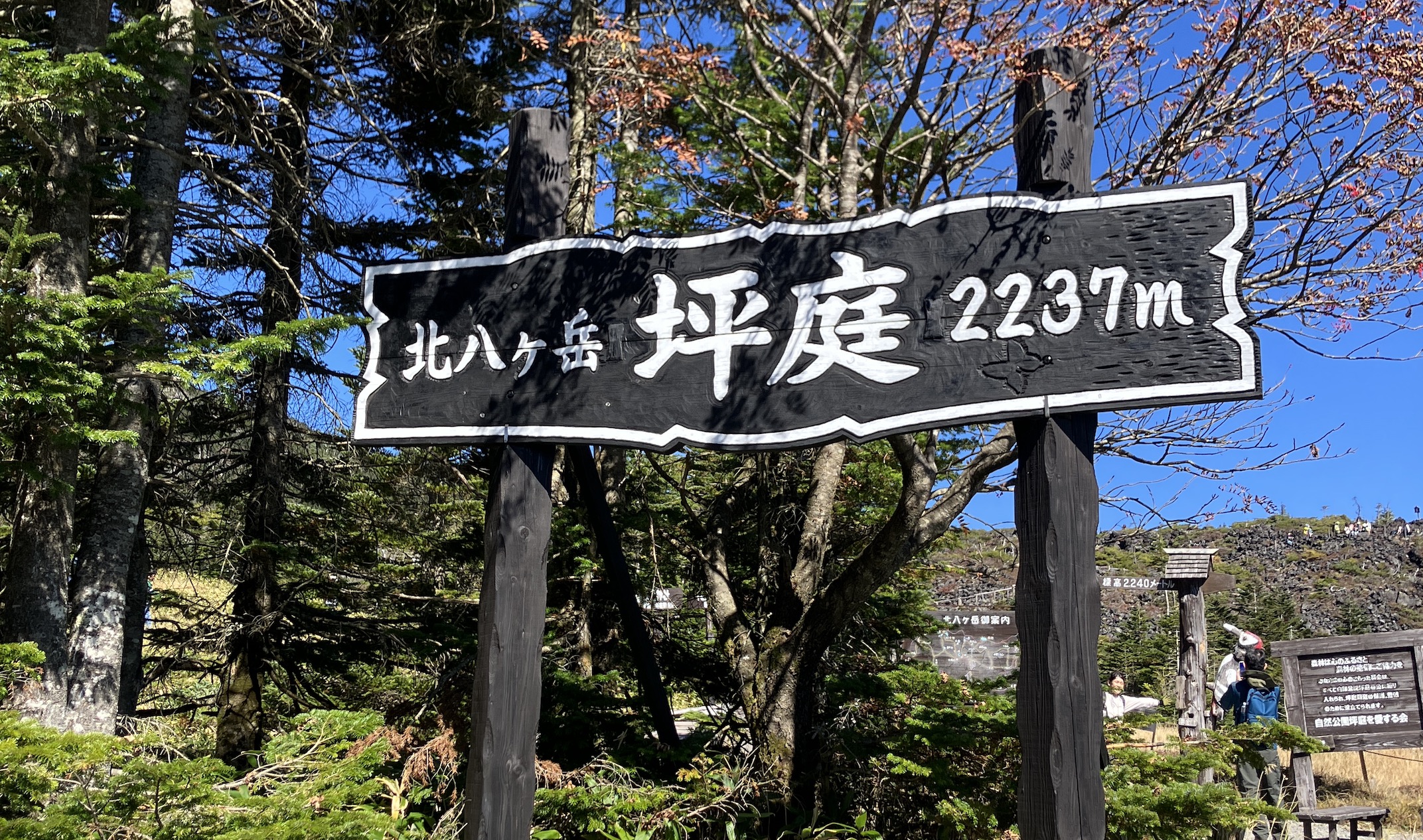
Taking a Bag of Chips Up to Tsuboniwa, 2,237 m Above Sea Level
I recently visited Tsuboniwa in the northern Yatsugatake mountains, which sits at an elevation of 2,237 meters. To get there, I rode the Kitayatsugatake Ropeway, which whisks you from the base station at 1,771 meters up to the summit station in about 7 minutes.
For the experiment, I brought along a bag of potato chips I’d bought at a supermarket in Tokyo (only a few meters above sea level). The question: would it puff up on the mountain?
The Results! The Bag Was Puffed Up Almost to the Bursting Point
And the verdict is… it swelled up so much that it looked ready to burst! I’m thrilled!
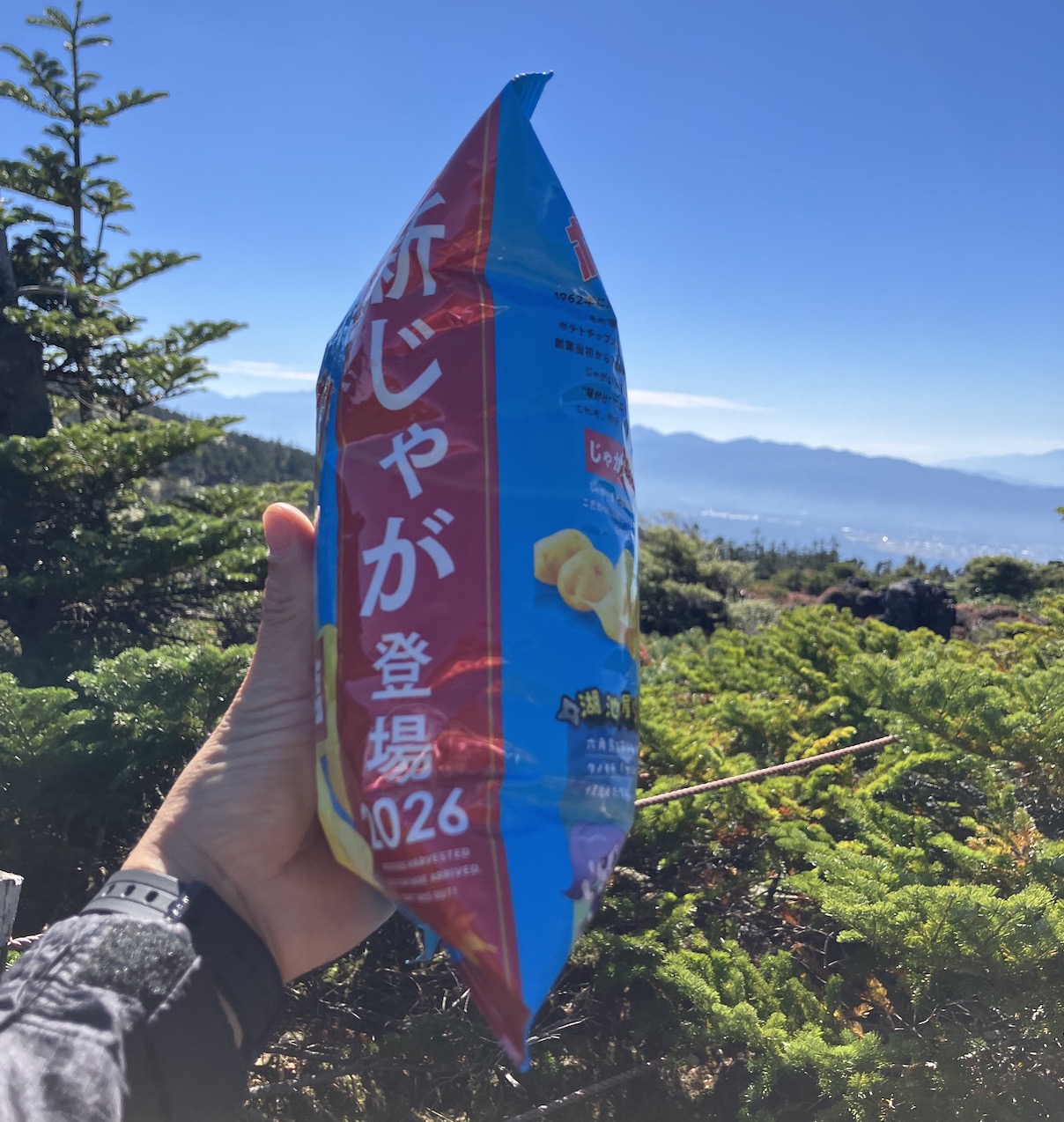
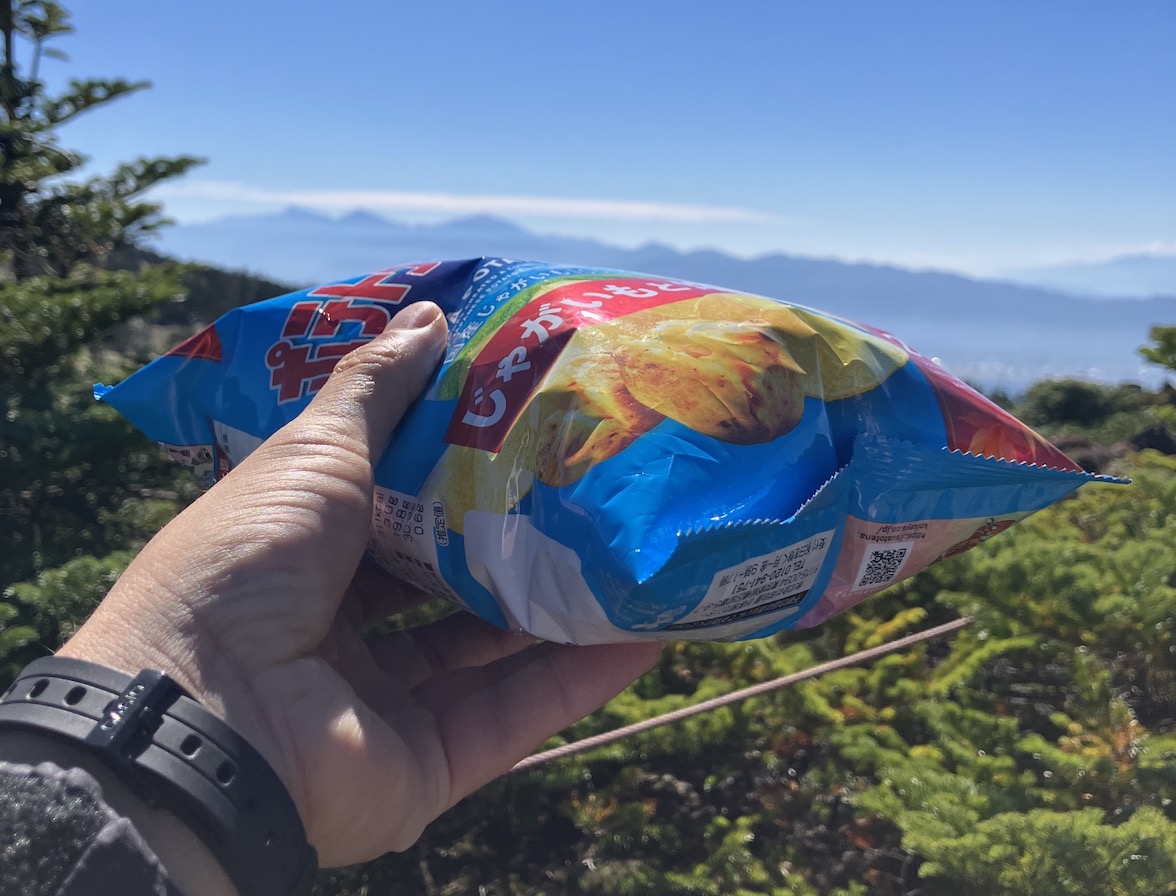
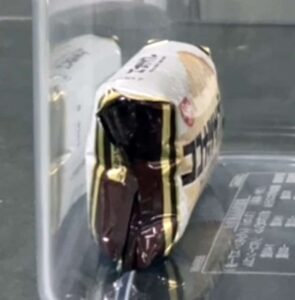
I also took a bag of chips along when I visited the Nobeyama site of the National Astronomical Observatory of Japan. Here’s how the bags looked in Tokyo compared with Nobeyama…
Why the Bag Puffs Up: There’s Less “Weight of Air” Pressing on It
The air around us has weight, and the force that weight exerts on everything is called air pressure (atmospheric pressure). Near sea level, the whole column of air above you is pressing down, so the pressure is high. As you climb a mountain, there’s less air above you, so the pressure drops. In a standard atmosphere, the pressure at 2,237 meters is roughly 70 to 80 percent of what it is near sea level, or about 770 hPa.
A bag of chips is sealed, so the air inside can’t escape. Down at the base, the air inside the bag and the air outside pushed against each other with equal force, so everything was balanced. Up on the mountain, though, the push from the outside gets weaker. The air inside hasn’t changed, so now it’s pushing outward harder than the air outside is pushing in, and the bag swells up.
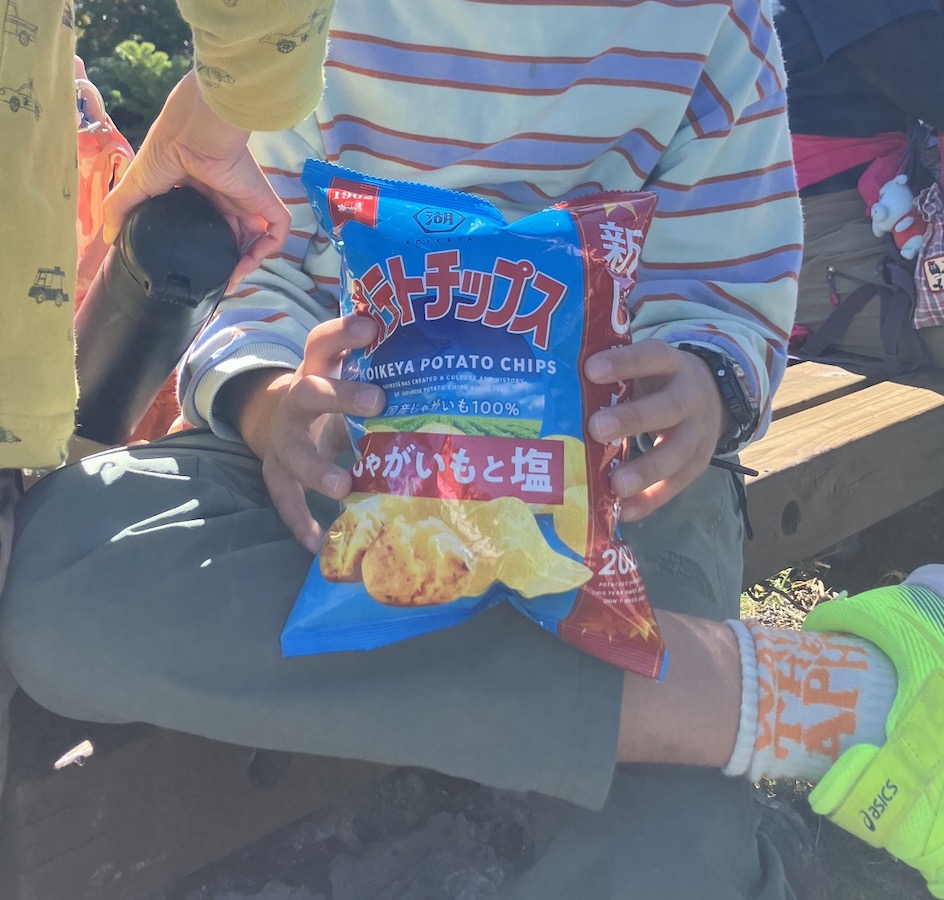
This can be explained by Boyle’s law: at a constant temperature, the volume of a gas is inversely proportional to its pressure. If the pressure drops to about three quarters, the volume grows to about 1.3 times its original size. In reality, other things come into play, like the colder temperatures up the mountain and how stiff the bag material is. Even so, seeing the very same bag visibly swell up is pretty impressive, isn’t it?
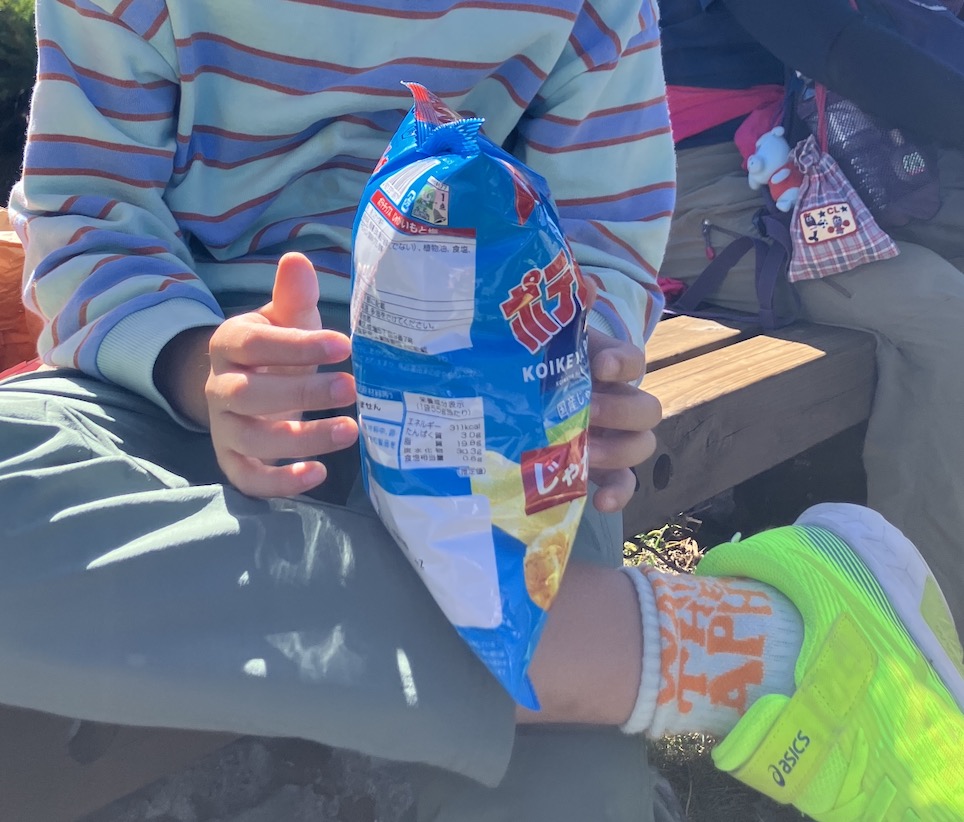
By the way, many snack bags are filled with a gas like nitrogen to keep the snack from oxidizing and to protect it from getting crushed. The bags are still sealed, so they puff up in basically the same way.
Tsuboniwa: A Giant Garden Made of Lava
Tsuboniwa, the star of this experiment, is actually a strange landscape created by a volcano. Mt. Kita-Yokodake in the northern Yatsugatake range is an active volcano, and it is said to have spewed out about 3 million cubic meters of lava in the past, roughly the volume of two Tokyo Domes. That lava cooled and hardened into a lava plateau covered with huge, rugged black rocks, spreading across about 330,000 square meters.
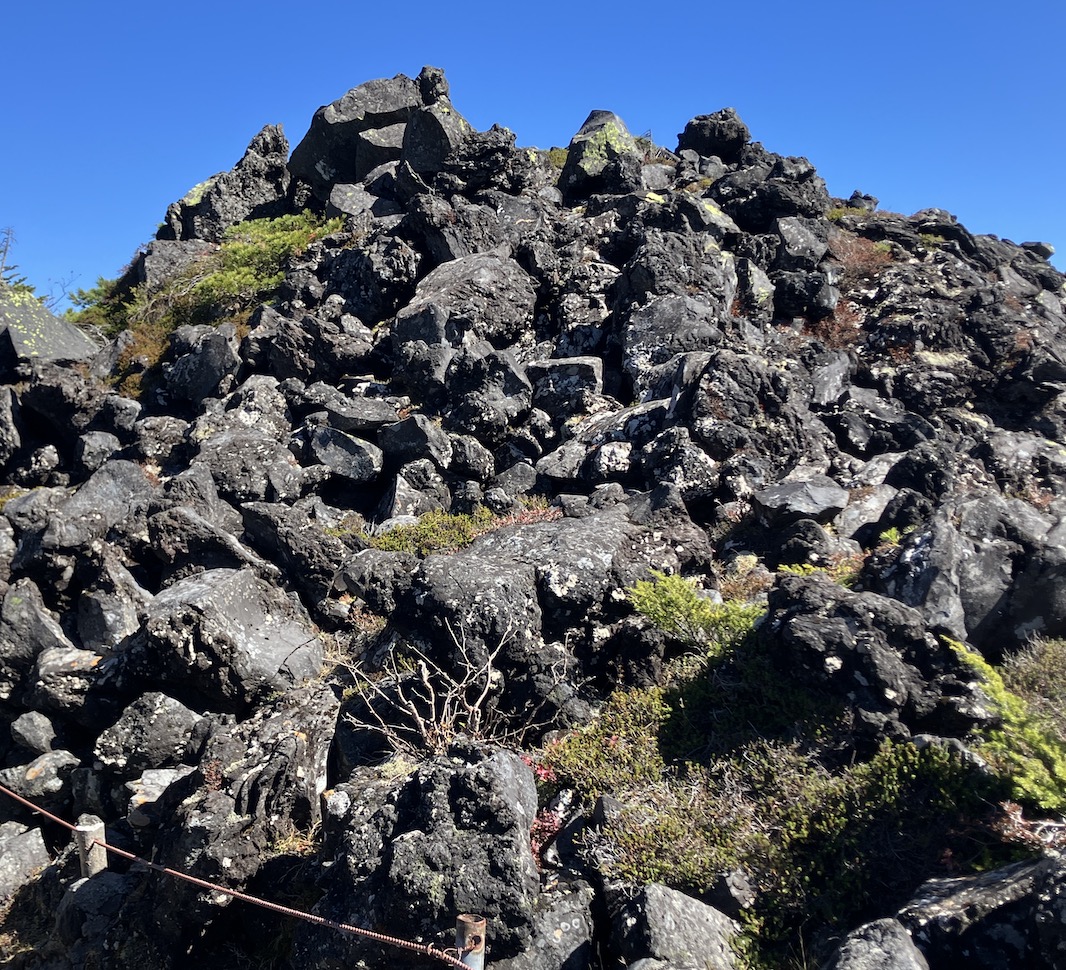
In the gaps between the lava rocks, Siberian dwarf pines grow thick, and alpine plants such as lingonberry and crowberry (ganko-ran) carpet the ground. It looks like a giant garden created by nature itself.
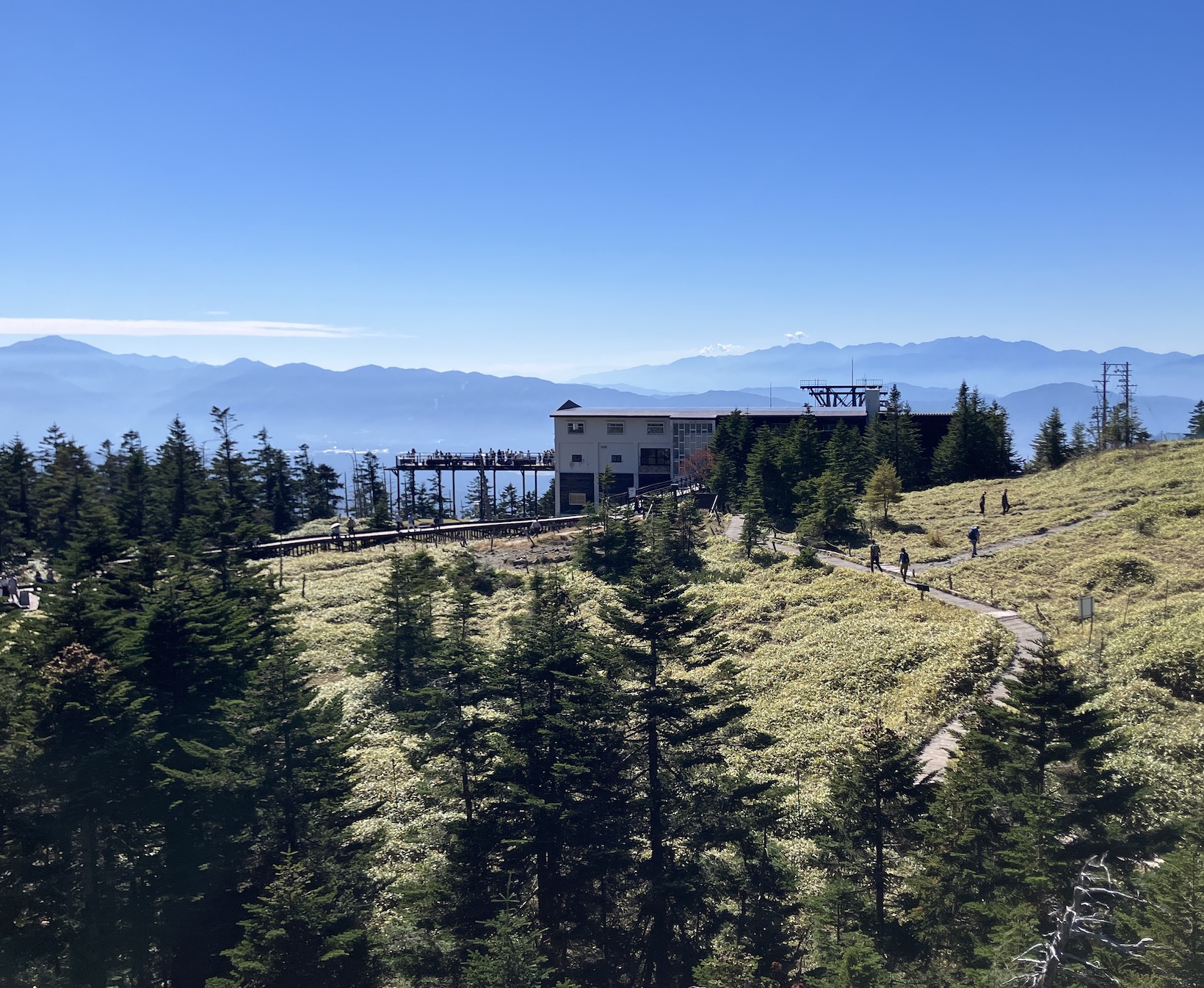
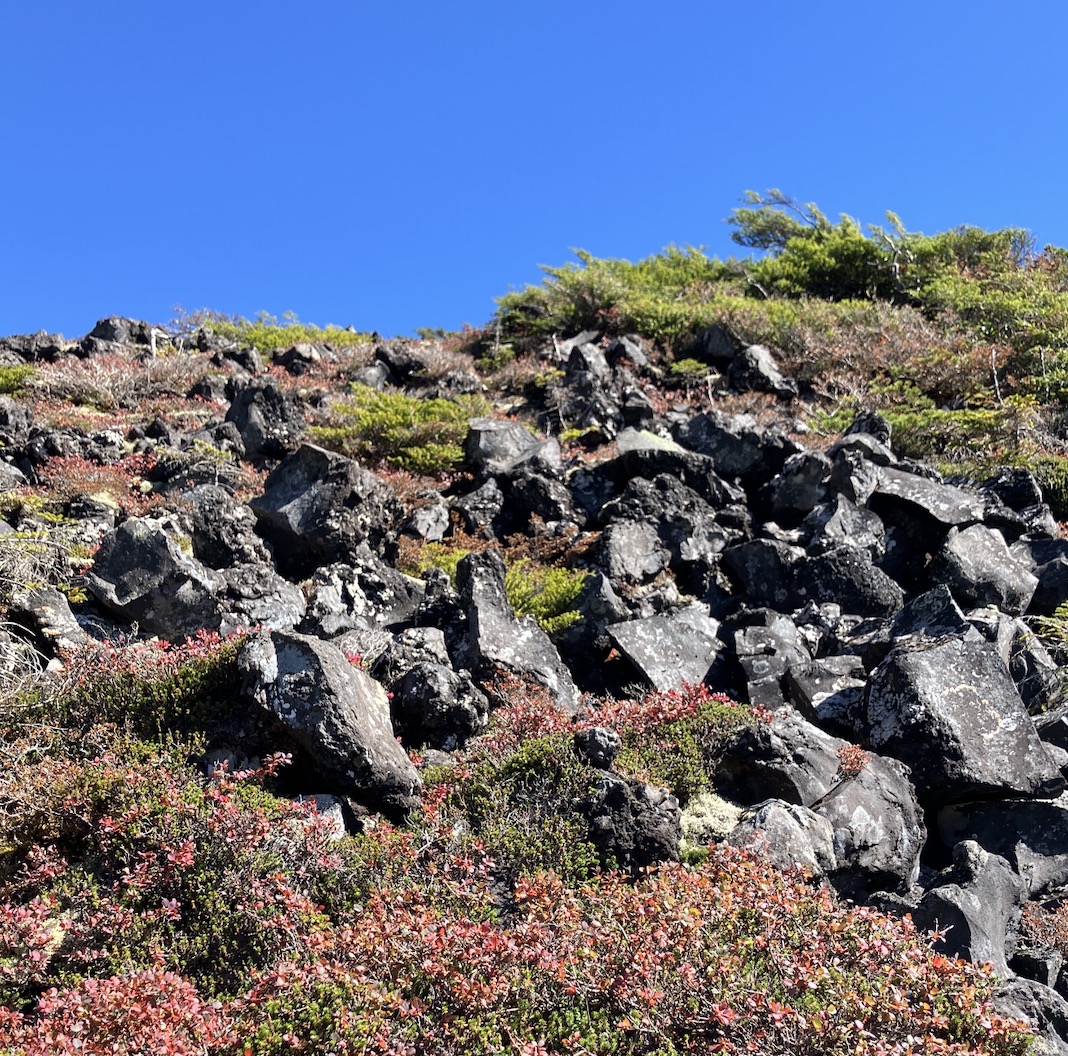
Interestingly, Tsuboniwa isn’t high enough to be in the alpine zone, where trees can’t grow at all. Even so, there are few tall trees and you see dwarf pines and alpine plants instead, which is explained by the fact that the lava flowed out relatively recently. That said, it seems nobody knows exactly when the lava erupted. As you look at the rocks beneath your feet, it’s fun to imagine what this volcano looked like long, long ago.
References
・Kitayatsugatake Ropeway official website (https://www.kitayatu.jp/)
・Introduction to Tsuboniwa on the travel info site “Tabimagajin” (https://tabi-mag.jp/nn715/)
Contact & Requests
Let’s make the wonder and fun of science feel closer to home! This site collects fun science experiments you can do at home, along with tips to make them work. Try searching around and see what you find!
・The content of Kagaku no Neta-cho (Science Idea Notebook) is now a book! Details are here
・Learn more about the site’s author, Ken Kuwako, here
・For requests of any kind (writing, lectures, science workshops, TV supervision or appearances, and more), please click here
・Get article updates on X!
 Kagaku no Neta Channel features experiment videos!
10月のイチオシ実験!
https://youtube.com/shorts/jLVKYRVI1uY?feature=share
テレビ番組監修・イベント等のお知らせ
- 12月26日(土) ナリカサイエンスアカデミー(教員向け実験講習会)開催
書籍のお知らせ
- 『高校入試 分解問題集 理科』(学研)…難しい問題も小さな問題に分解することで、問題を解くことができます。そんな分解の技術が身につくように深く関わりを持って作りました。
 『大人のための高校物理復習帳』(講談社)…一般向けに日常の物理について公式を元に紐解きました。特設サイトでは実験を多数紹介しています。※増刷がかかり6刷となりました(2026/02/01)
- 『きめる!共通テスト 物理基礎 改訂版』(学研)… 高校物理の参考書です。イラストを多くしてイメージが持てるように描きました。授業についていけない、物理が苦手、そんな生徒におすすめです。特設サイトはこちら。
各種SNS(更新情報をお届け!)
【日本語】X(Twitter)/instagram/Facebook 【英語】BlueSky/Threads
Explore
- 楽しい実験…お子さんと一緒に夢中になれるイチオシの科学実験を多数紹介しています。また、高校物理の理解を深めるための動画教材も用意しました。
- 理科の教材… 理科教師をバックアップ!授業の質を高め、準備を効率化するための選りすぐりの教材を紹介しています。
- Youtube…科学実験等の動画を配信しています。
- 科学ラジオ …科学トピックをほぼ毎日配信中!AI技術を駆使して作成した「耳で楽しむ科学」をお届けします。
- 講演 …全国各地で実験講習会・サイエンスショー等を行っています。
- About …「科学のネタ帳」のコンセプトや、運営者である桑子研のプロフィール・想いをまとめています。
- お問い合わせ …実験教室のご依頼、執筆・講演の相談、科学監修等はこちらのフォームからお寄せください。
- Experiment! What Happens When You Take a Bag of Potato Chips Up a Mountain? Almost Bursting at 2,237 m?! (The Mystery of Air Pressure)
- We Live at the Bottom of an Ocean of Air! A Plastic Bottle Experiment Reveals the Truth About Air Pressure (A High School Physics Refresher for Adults)
- Seeing the World Through an Insect’s Eyes? The Hidden Secrets of Dandelions and Azaleas

- Did the Chopstick Snap? Did It Move Backward? The Strange Images in a Glass of Water
- Making the Invisible Visible: A Laser and Fog Machine Light Show!

- The 1,300-View Wall! What Middle Schoolers Learned About “Reaching People” Through Short Videos (Science Communication Course)

- Is the Image on Your Retina Upside Down? Discover the Magic of Light with a Squid Eye Experiment

- We Built a Volcano—and It Was Explosively Fun! The Ultimate Experiment Recipe Using Plaster and Baking Soda!
- Data So Clean It’ll Wow You! Cracking the Link Between Potential Energy and Work with Just a Rail and a Marble