Can One Cart Stop an Earthquake!? Unlocking the Secrets of Seismic Isolation
I’m Ken Kuwako, your Science Trainer. Every day is an experiment!
If a major earthquake struck right now, how would your home move and shake?
When it comes to protecting buildings from earthquakes, there are three major approaches: “earthquake resistance,” “vibration control,” and “base isolation.” Of these, earthquake resistance is relatively easy to picture because it involves strengthening the building itself so that it can withstand shaking. Vibration control and base isolation, however, are often confused because their names sound so similar.
This time, I decided to take a closer look at one of the most fascinating of these ideas—base isolation—and make the principle visible through a simple experiment using everyday equipment.
So, how does base isolation actually work?
Base isolation is, quite literally, a way of helping a building “escape” the shaking. The key idea is to place a special layer of equipment called an isolation system between the building and the ground. This layer can include specially designed components such as rubber bearings, laminated rubber bearings, and sliding bearings. Even when the ground shakes violently, these devices prevent that motion from being transmitted directly to the building.
By effectively “separating” the ground from the building, the building doesn’t have to take the full force of the earthquake’s energy. In fact, high-rise buildings, hospitals, data centers, and other facilities equipped with base-isolation systems are known to suffer significantly less damage indoors even during major earthquakes. Instead of being violently shaken along with the ground, the entire building moves more gently, helping protect the people, equipment, and the building itself.
Setting up the experiment: Using a Narika large cart as the “ground”
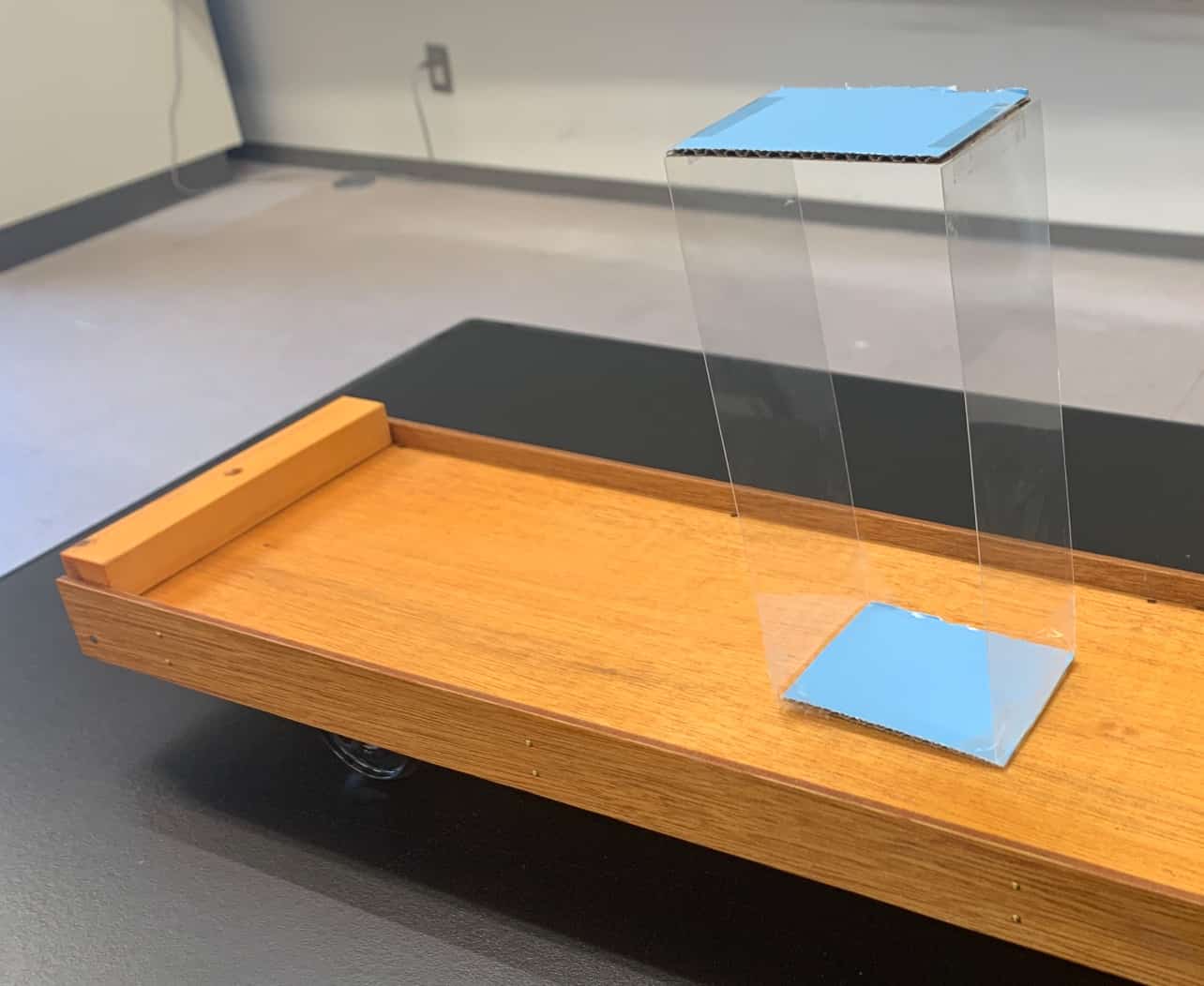
For this experiment, I prepared a large cart made by Narika, a familiar name in Japanese science education, along with a handmade model building. We’ll use the large cart as our “ground,” so to speak.
Experiment ①: What happens when we attach the building directly to the cart?
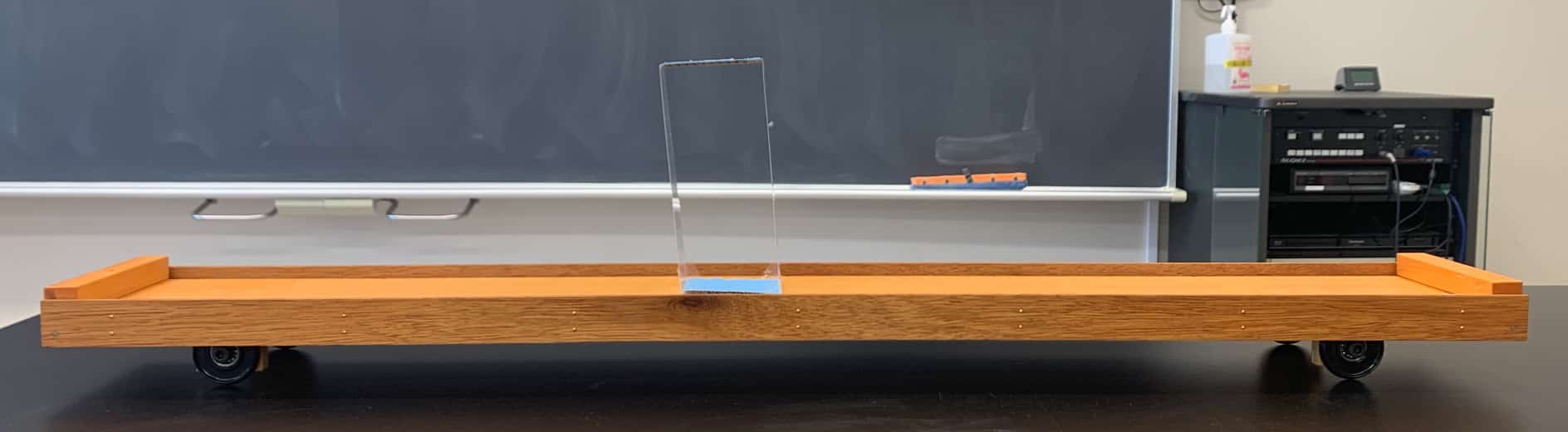
First, as our basic comparison, we place the model building directly on the large cart. This represents an ordinary building standing directly on the ground without any base-isolation system.
Now let’s shake the cart rapidly from side to side. Earthquake!
The result is immediately obvious: the building is shaken dramatically. You can clearly see how the movement of the “ground” is transmitted almost directly to the building. You can watch the actual experiment here.
Experiment ②: Add a small cart as a buffer—and look what happens!
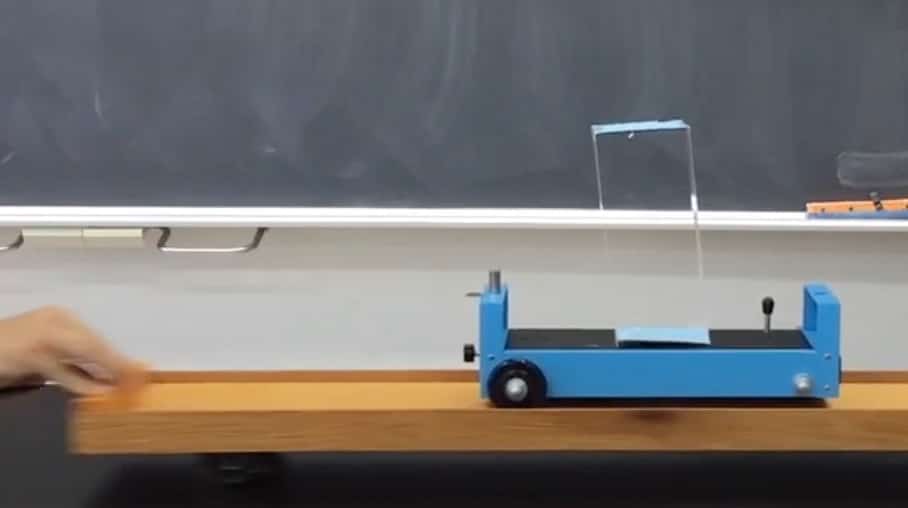
Now it’s time to recreate the basic idea of base isolation. We place a second, smaller cart on top of the large cart (our “ground”), and then put the model building on top of the smaller cart. The small cart now acts as our simplified “base-isolation system,” separating the building from the ground.
Let’s shake the large cart in the same way…
Almost no shaking reached the building!
Even though the “ground” (the large cart) was moving vigorously, the small cart absorbed much of the motion through the movement of its wheels. As a result, the model building remained remarkably still, as if nothing were happening at all.
Just one extra cart can make a huge difference
It’s surprisingly fascinating to see how dramatically the building’s motion changes simply by adding one more cart. The idea of placing something between the ground and the building to allow the shaking to “escape” is at the heart of base-isolation technology. Real buildings use much more sophisticated components, such as laminated rubber bearings, but the basic principle is exactly the same as what we demonstrated with our carts.
Contact & Requests
Want to bring the wonder and fun of science a little closer to home? I share fun science experiments you can do at home, along with easy-to-understand tips and explanations. Have a look around and search for something that catches your eye!
・The content from “Science Tips” is now available as a book. For more information, click here.
・For more information about Ken Kuwako, the site’s creator, click here.
・For inquiries and requests (writing, lectures, science workshops, TV science supervision, appearances, etc.), click here.
・Get the latest article updates on X!
 Science Tips Channel features videos of science experiments!
9月のイチオシ実験!
お弁当箱をプラバンがわりにしてキーホルダーを作ろう!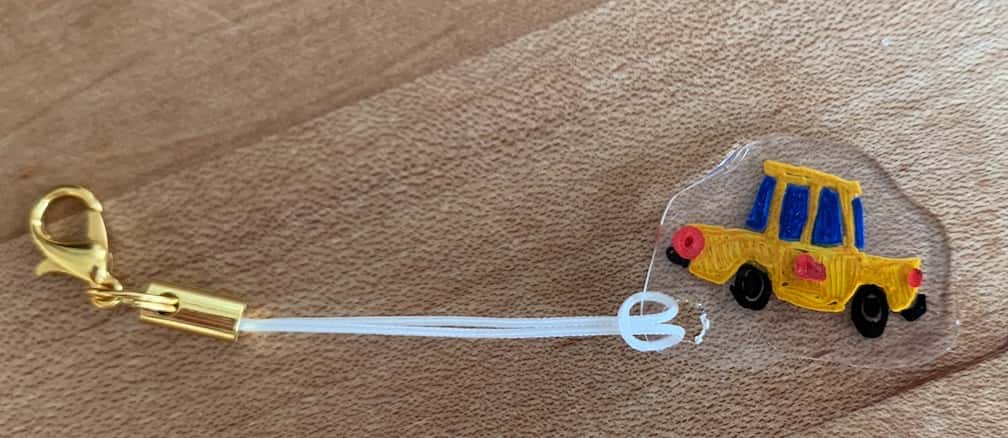
テレビ番組監修・イベント等のお知らせ
- 8月27日(木)科学監修番組放送予定
- 9月20日(日)ダビンチマスターズ出演予定
- 10月10日(土)11:15~12:00 千葉市科学フェスタ2026「桑子先生の回転科学ショー」にてサイエンスショーを行います。
- 12月26日(土) ナリカサイエンスアカデミー(教員向け実験講習会)開催
書籍のお知らせ
- 『高校入試 分解問題集 理科』(学研)…難しい問題も小さな問題に分解することで、問題を解くことができます。そんな分解の技術が身につくように深く関わりを持って作りました。
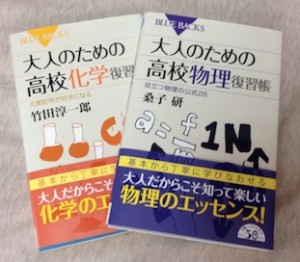
 『大人のための高校物理復習帳』(講談社)…一般向けに日常の物理について公式を元に紐解きました。特設サイトでは実験を多数紹介しています。※増刷がかかり6刷となりました(2026/02/01)
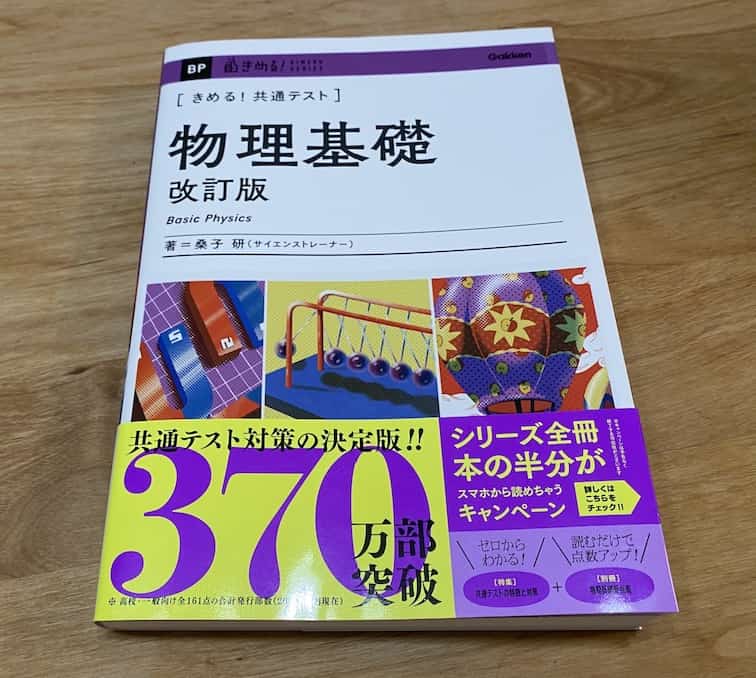
- 『きめる!共通テスト 物理基礎 改訂版』(学研)… 高校物理の参考書です。イラストを多くしてイメージが持てるように描きました。授業についていけない、物理が苦手、そんな生徒におすすめです。特設サイトはこちら。
各種SNS(更新情報をお届け!)
【日本語】X(Twitter)/instagram/Facebook 【英語】BlueSky/Threads
Explore
- 楽しい実験…お子さんと一緒に夢中になれるイチオシの科学実験を多数紹介しています。また、高校物理の理解を深めるための動画教材も用意しました。
- 理科の教材… 理科教師をバックアップ!授業の質を高め、準備を効率化するための選りすぐりの教材を紹介しています。
- Youtube…科学実験等の動画を配信しています。
- 科学ラジオ …科学トピックをほぼ毎日配信中!AI技術を駆使して作成した「耳で楽しむ科学」をお届けします。
- 講演 …全国各地で実験講習会・サイエンスショー等を行っています。
- About …「科学のネタ帳」のコンセプトや、運営者である桑子研のプロフィール・想いをまとめています。
- お問い合わせ …実験教室のご依頼、執筆・講演の相談、科学監修等はこちらのフォームからお寄せください。