Perfect Microscope Photos with Your Smartphone! We Tried the Buzzworthy Camera Clip (Tomeco Microscope Photo Clip)
I’m Ken Kuwako, your Science Trainer. Every day is an experiment.
Have you ever looked through a microscope and thought, “Wow, that’s beautiful!”—only to grab your smartphone for a quick snapshot and find that the focus just won’t cooperate? If you’ve ever had that frustrating experience during a science class or while working on a science project, you’re definitely not alone.
In fact, this is a classic problem that many people run into. The slightest misalignment between the microscope’s optical system and your smartphone camera can prevent the light from forming a sharp image, making it surprisingly difficult to take a properly focused photo. And when you’re trying to hold the smartphone by hand, keeping that “slight” alignment steady is much harder than it sounds.
Fortunately, there’s a wonderfully simple gadget that solves this problem. Today, let’s take a look at Narika’s Tomeco Microscope Photography Clip.
A “bridge” between your microscope and smartphone
The idea behind this photography clip is incredibly simple. Just attach it to the camera area of your smartphone or tablet, then place it directly onto the microscope’s eyepiece.
Here’s the photography clip:
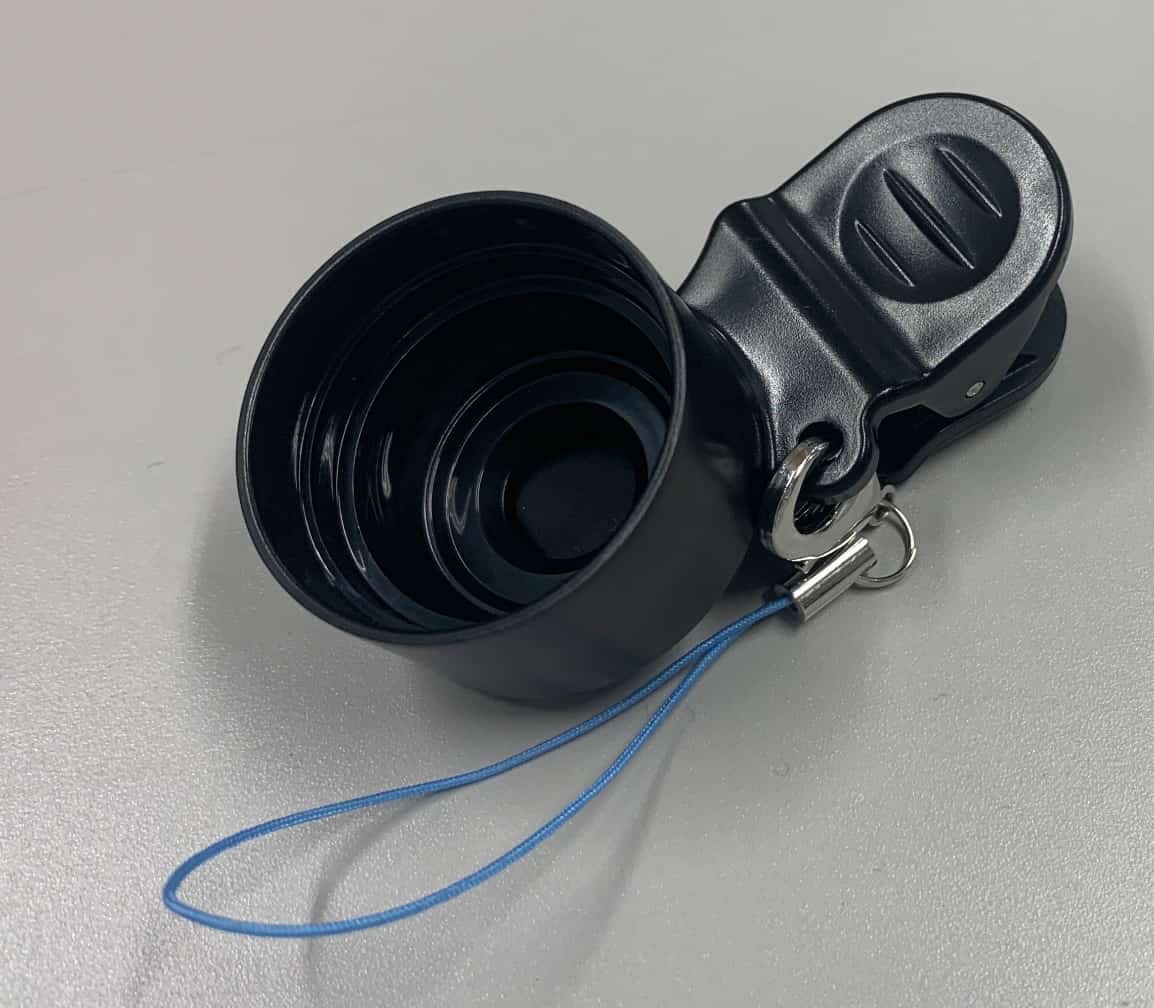
Catalog No.: S77-2553
Attach it to the camera of your smartphone or tablet, and you’re ready to take pictures.
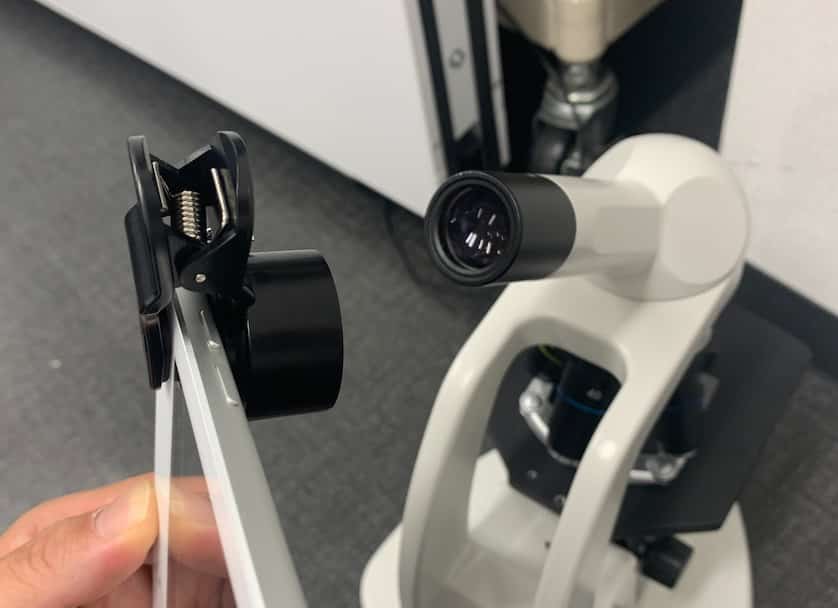
Once it is attached to the microscope:
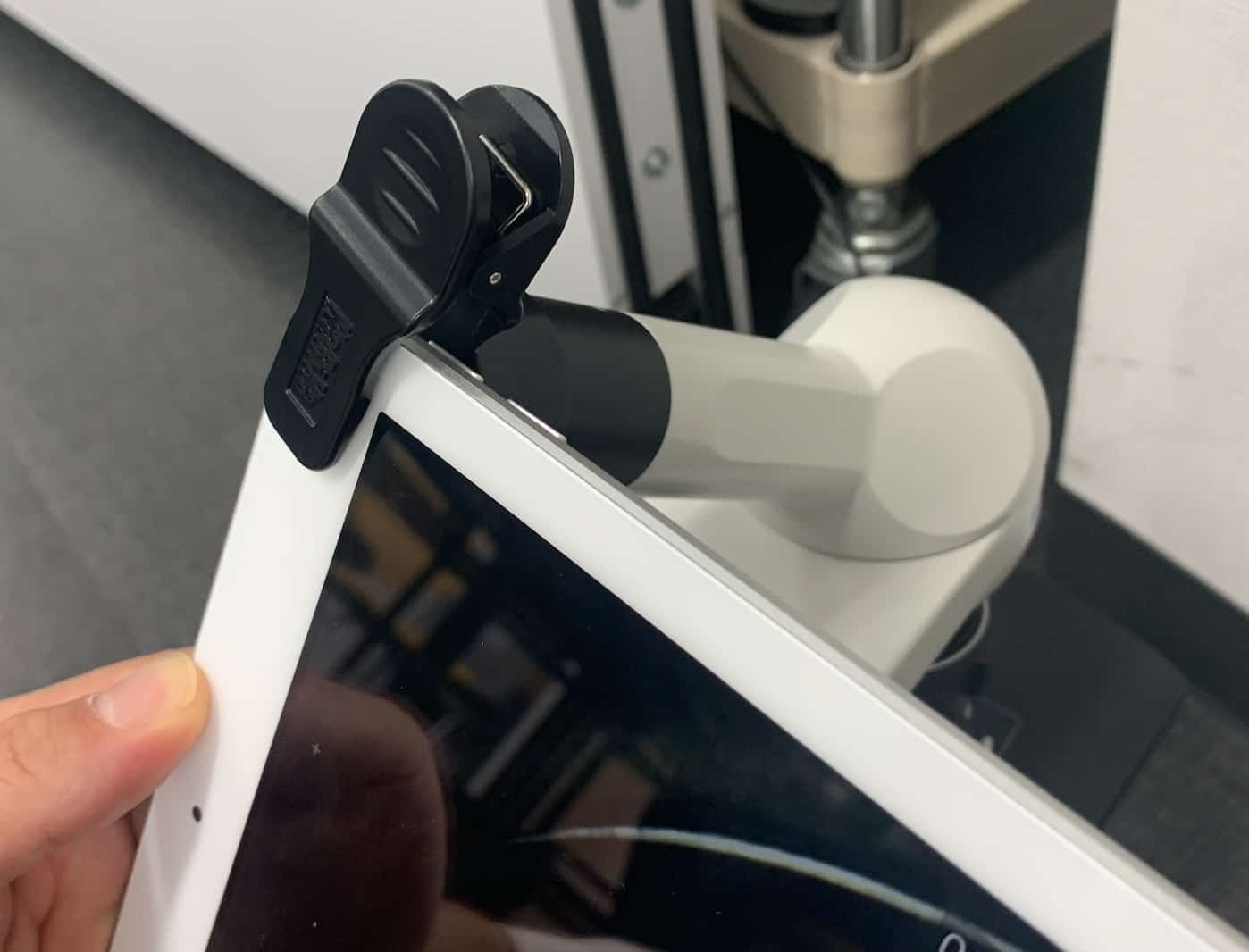
The key is that it keeps the “distance” between the camera lens and the microscope eyepiece constant. In fact, one of the biggest reasons smartphone microscope photos end up out of focus is that this distance changes ever so slightly from one shot to the next. No matter how carefully you hold your phone, your hands will inevitably move a tiny bit. By physically securing the smartphone with a clip, the Tomeco eliminates the problem at its source.
See the difference for yourself!
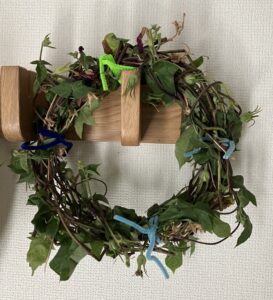
The principle makes sense, but what you really want to know is: “Does it actually take good pictures?” Well, here are some examples.
Look how clear these photos are!
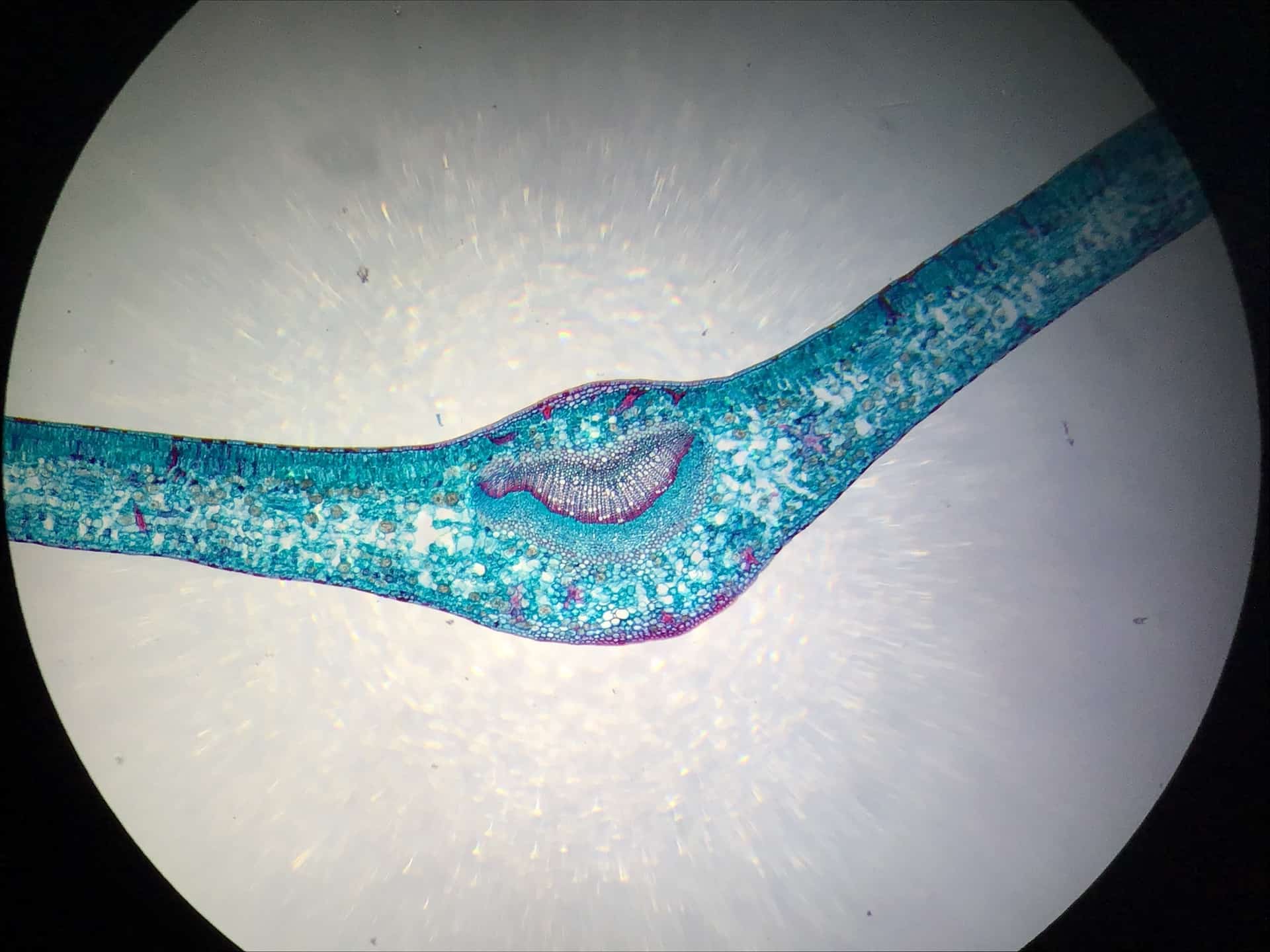
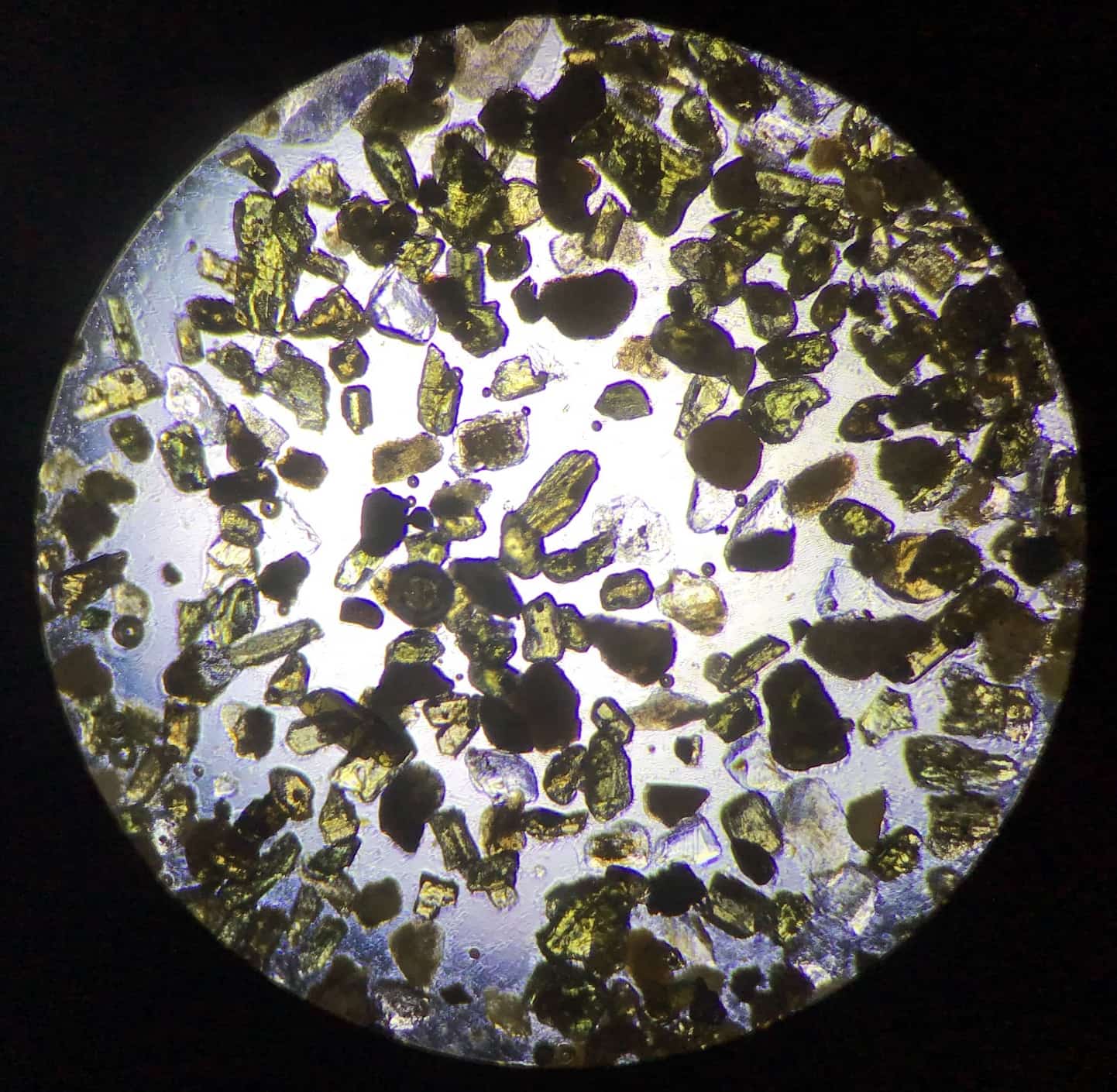
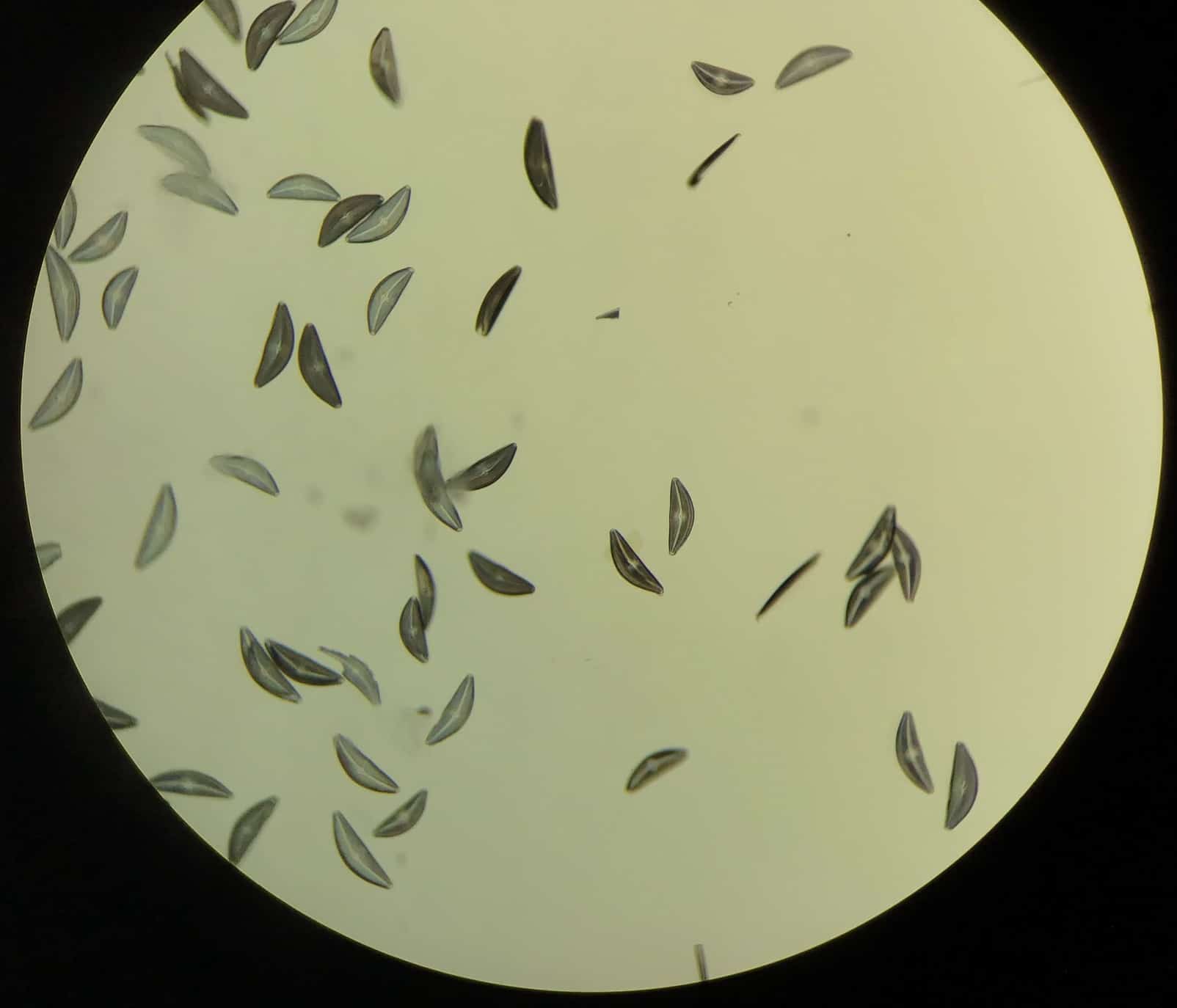
The images are crisp and sharply focused—almost as if they came straight out of a microscope manufacturer’s catalog. Being able to capture the microscopic world you see with your own eyes as a photograph is actually very valuable when it comes to learning science.
Turning observations into records deepens scientific learning
One of the most fascinating things about observing through a microscope is that you get to see something that exists only in that particular moment. But that is also one of its limitations. Maybe you want to show what you saw to a friend, or perhaps you want your teacher to take another look. But once time passes, the view may change, and once the slide has been put away, it may be impossible to recreate exactly what you saw.
When you can properly preserve an observation as a photograph, you can do much more than simply look at it on the day of the experiment. You can go back later, compare your observations carefully, include the images in a report, or use them as material for a science project. The real value of this photography clip is that it helps students move beyond “look and finish” to “record, reflect, and think.” Professional scientists also place great importance on recording microscopic observations with photographs and videos. In that sense, this little gadget can bring what happens in the science classroom one step closer to the methods used in real scientific research.
Keep it around your neck and it’s always ready to use
There’s another small but surprisingly useful feature: it comes with a strap. Thanks to the strap, you can simply keep it hanging around your neck when you’re not using it.
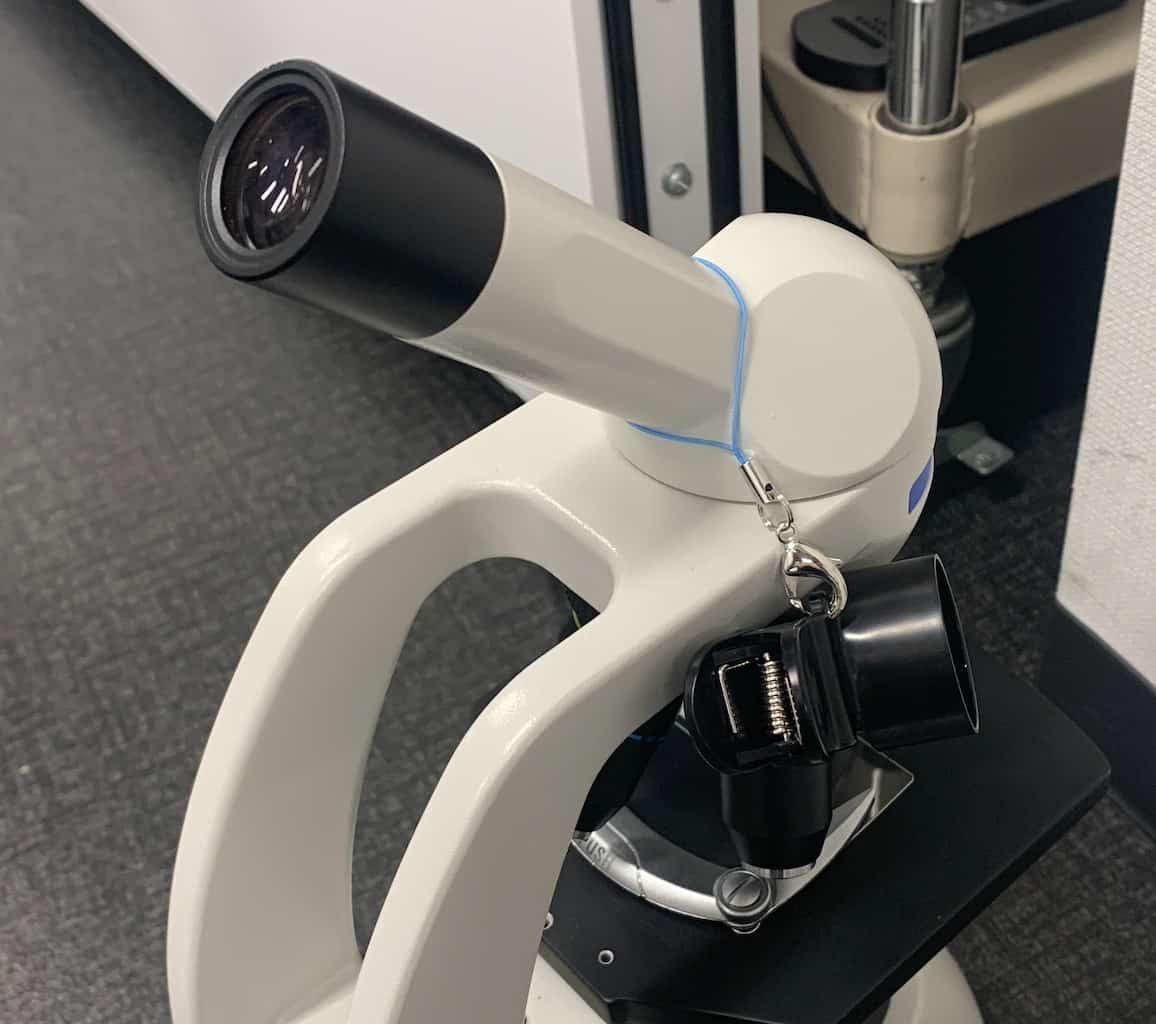
In a science classroom, small tools like this have a funny habit of disappearing exactly when you need them: “Wait, where did I put that?” With the strap, the clip is always close at hand. It also makes classroom activities easier—for example, you can hand the clip to students and have them take turns being responsible for recording their observations. It’s a small design detail, but it can make a big difference when it comes to encouraging people to actually keep using a tool.
Contact & Requests
Want to bring the wonder and excitement of science a little closer to home? I share fun science experiments you can do at home, along with easy-to-understand tips and tricks. Take a look around and explore!
・The content from “Science Notes” is now available as a book. For more information, click here.
・For more information about Ken Kuwako, the site operator, click here.
・For inquiries and professional requests—including writing, lectures, science workshops, TV supervision, and appearances—click here.
・Follow X for the latest article updates!
 Science Notes Channel features science experiment videos!
9月のイチオシ実験!
テレビ番組監修・イベント等のお知らせ
- 9月25日(金)21:00〜 かまいたちの瞬間回答!にて、科学監修を行いました。
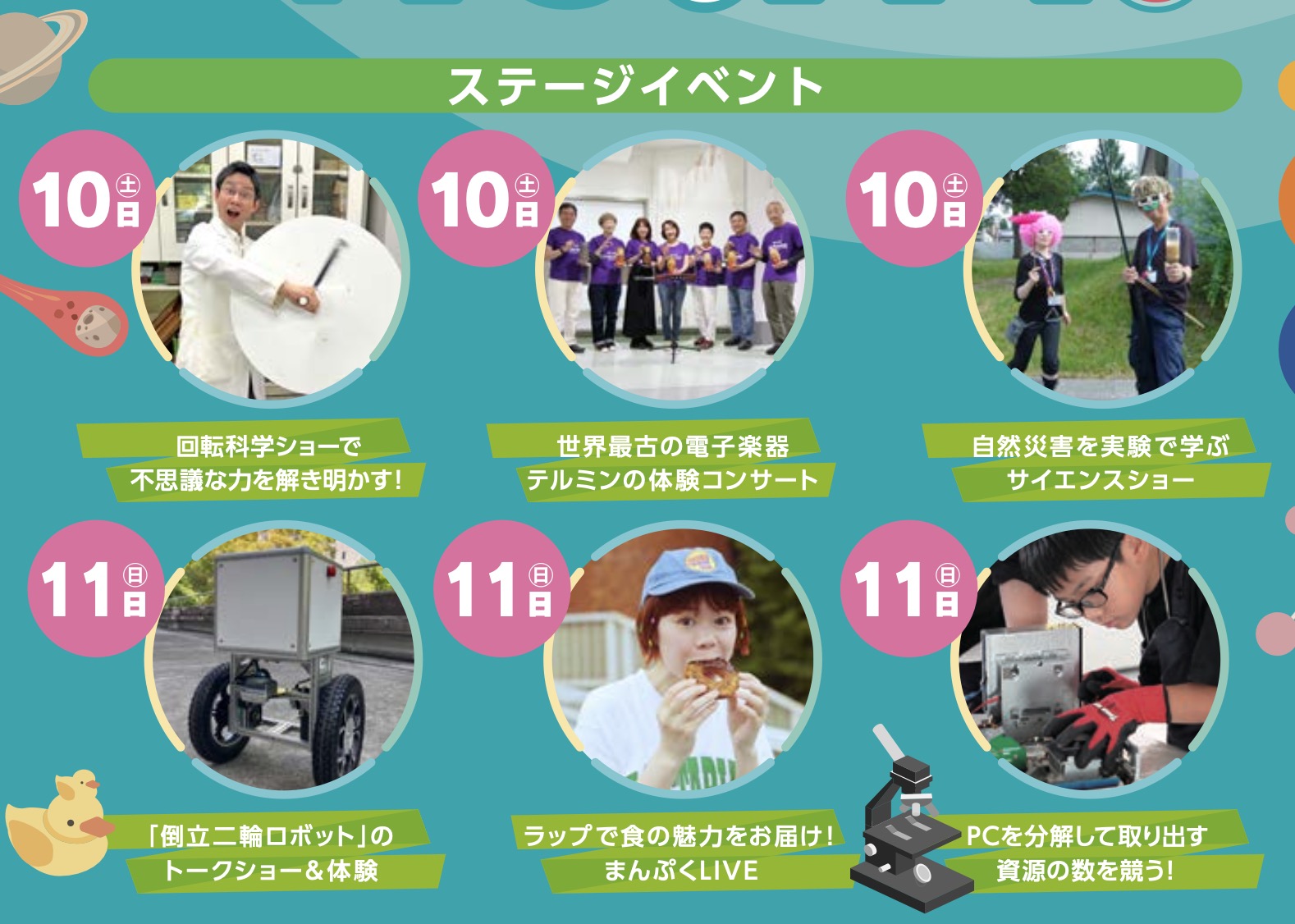
- 10月10日(土)11:15~12:00 千葉市科学フェスタ2026「桑子先生の回転科学ショー」にてサイエンスショーを行います。
- 12月26日(土) ナリカサイエンスアカデミー(教員向け実験講習会)開催
書籍のお知らせ
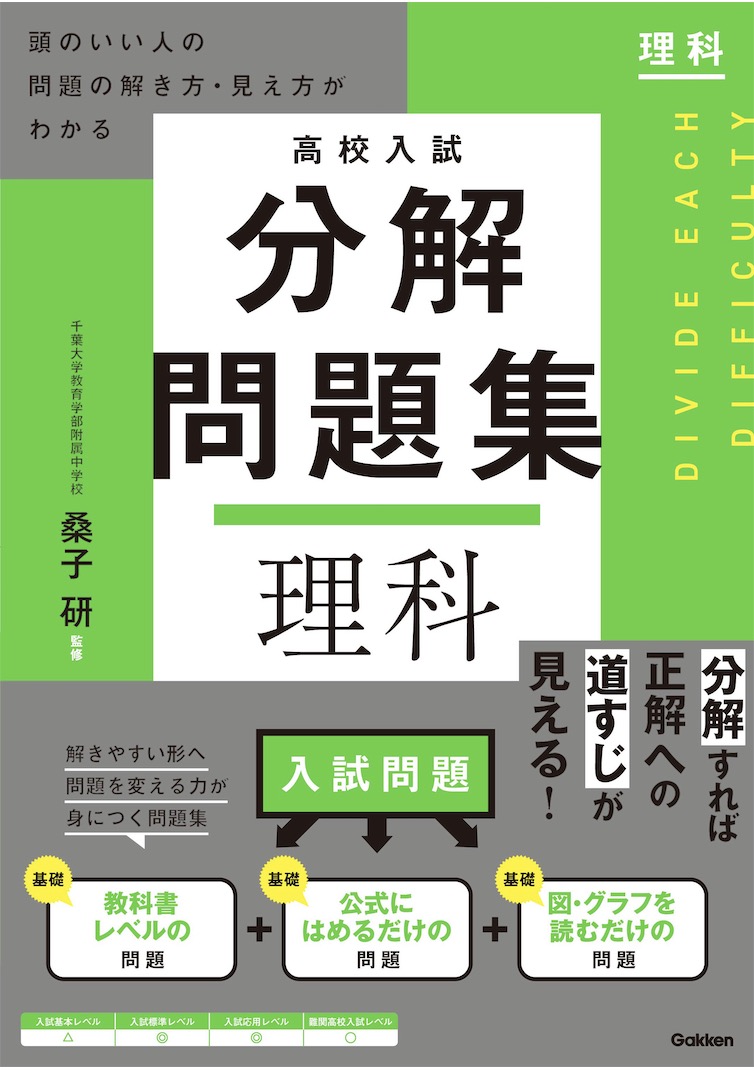
- 『高校入試 分解問題集 理科』(学研)…難しい問題も小さな問題に分解することで、問題を解くことができます。そんな分解の技術が身につくように深く関わりを持って作りました。
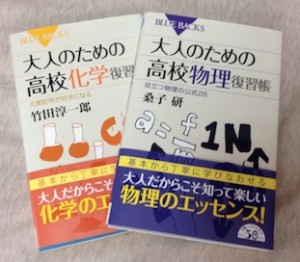
 『大人のための高校物理復習帳』(講談社)…一般向けに日常の物理について公式を元に紐解きました。特設サイトでは実験を多数紹介しています。※増刷がかかり6刷となりました(2026/02/01)
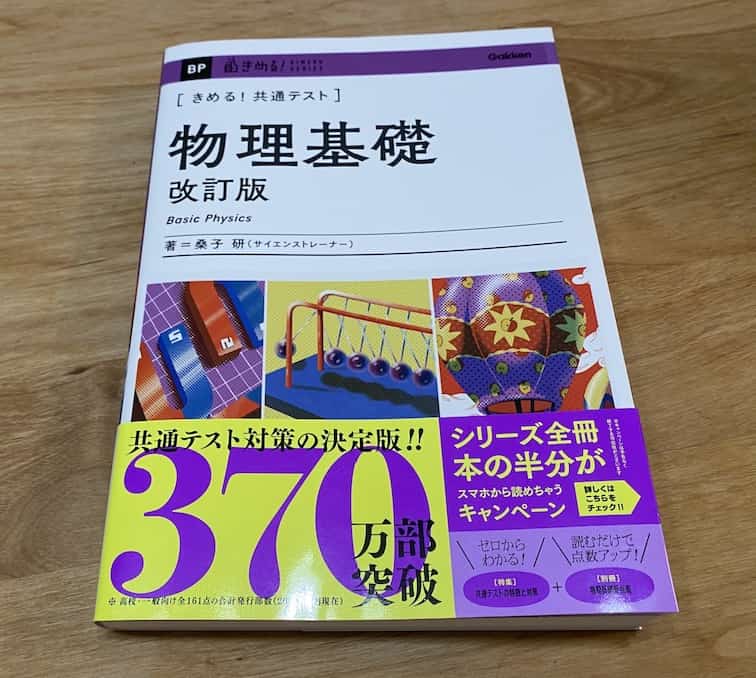
- 『きめる!共通テスト 物理基礎 改訂版』(学研)… 高校物理の参考書です。イラストを多くしてイメージが持てるように描きました。授業についていけない、物理が苦手、そんな生徒におすすめです。特設サイトはこちら。
各種SNS(更新情報をお届け!)
【日本語】X(Twitter)/instagram/Facebook 【英語】BlueSky/Threads
Explore
- 楽しい実験…お子さんと一緒に夢中になれるイチオシの科学実験を多数紹介しています。また、高校物理の理解を深めるための動画教材も用意しました。
- 理科の教材… 理科教師をバックアップ!授業の質を高め、準備を効率化するための選りすぐりの教材を紹介しています。
- Youtube…科学実験等の動画を配信しています。
- 科学ラジオ …科学トピックをほぼ毎日配信中!AI技術を駆使して作成した「耳で楽しむ科学」をお届けします。
- 講演 …全国各地で実験講習会・サイエンスショー等を行っています。
- About …「科学のネタ帳」のコンセプトや、運営者である桑子研のプロフィール・想いをまとめています。
- お問い合わせ …実験教室のご依頼、執筆・講演の相談、科学監修等はこちらのフォームからお寄せください。