See Electric Fields Come Alive! Play with an Electric Field Line Simulator
I’m Ken Kuwako, the Science Trainer. Every day is an experiment!
Have you ever looked at the diagrams of electric field lines in your textbook, packed with arrows, and wondered, “What are these actually showing?” You’re not alone. The good news is that there’s now an amazing online tool that makes the concept instantly click. Let’s explore this interactive simulator together and take a peek into the invisible world of electricity.
A Magical Tool That Reveals Electric Fields Just by Placing Charges
Professor Makoto Wakasugi‘s Electric Field Line Simulator is incredibly fun to use. You can freely place positive and negative charges, adjust their values to +1, +2, and more, and watch what happens.
The best part? Electric fields, equipotential lines, and electric field lines are drawn instantly in real time.
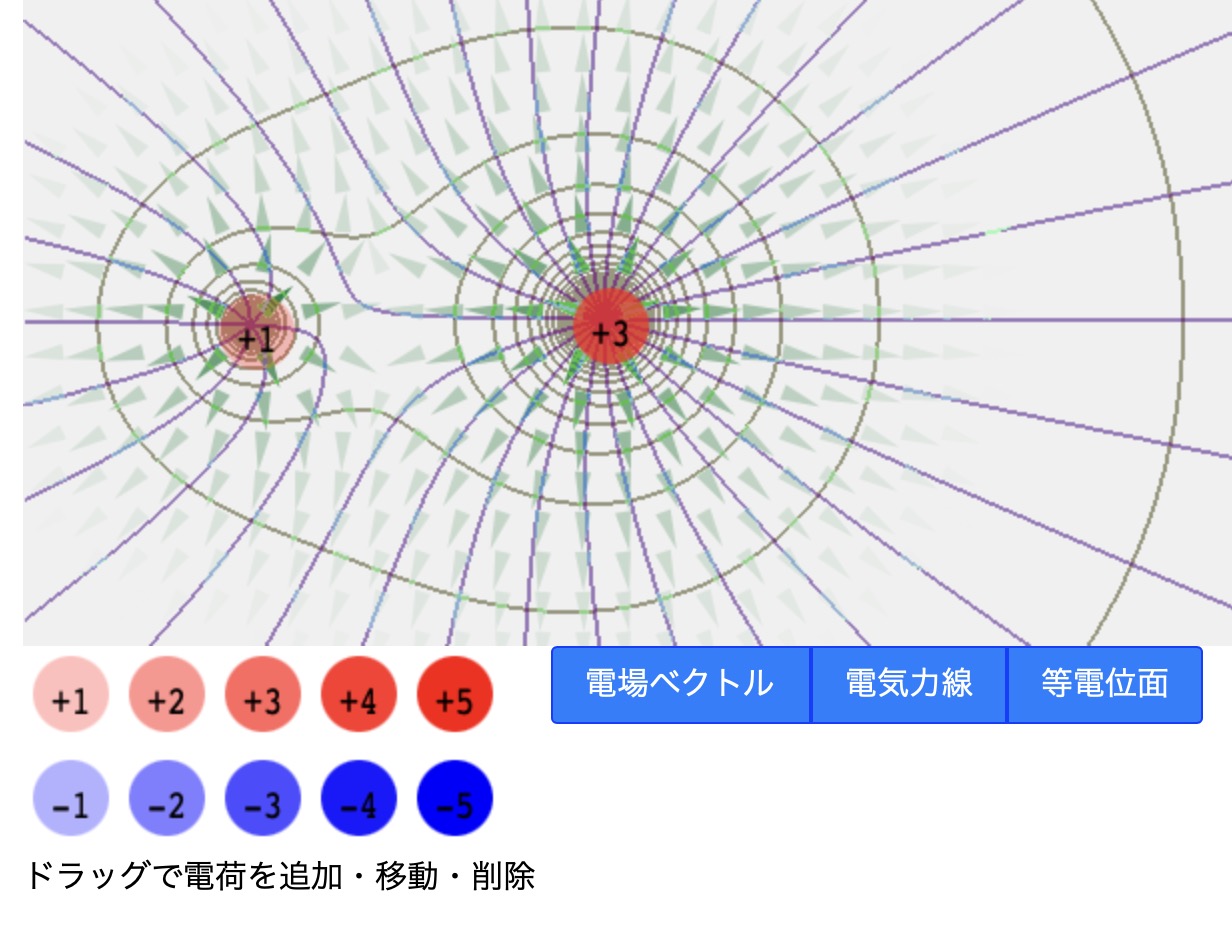
So what exactly are electric field lines?
They’re imaginary lines that begin at positive charges and end at negative charges, showing both the direction and the strength of the electric field. Where the lines are packed closely together, the electric field is stronger. Where they’re farther apart, the field is weaker.
In most textbooks, you only see a single static diagram. But with this simulator, the moment you move a charge, the entire pattern bends and reshapes itself. It’s a fantastic way to see that electric fields aren’t fixed—they change dynamically as the charges move.
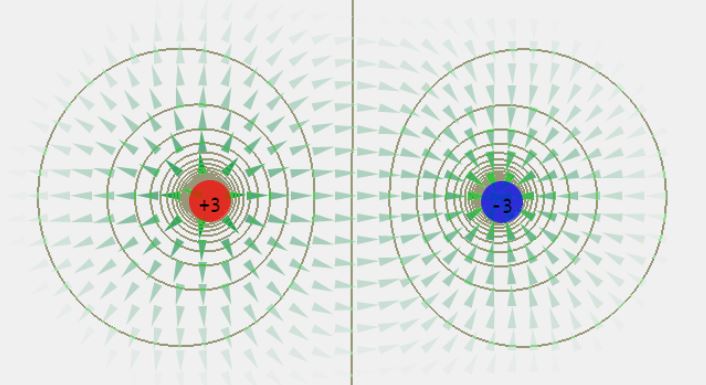
Arrange Charges and Discover the Secret Behind Everyday Electronics
First, try lining up several positive charges.
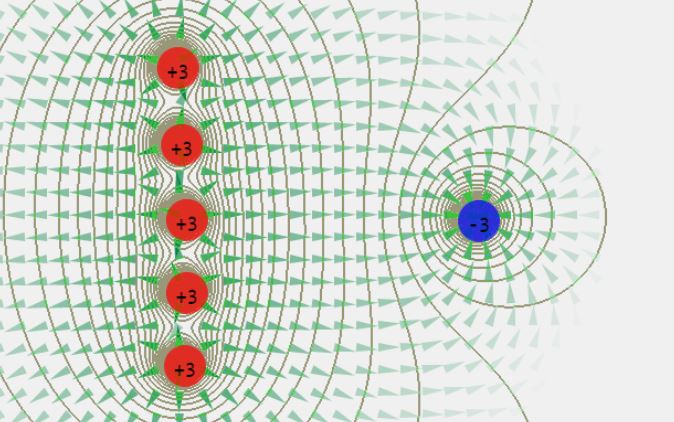
Next, place a row of positive charges opposite a row of negative charges.
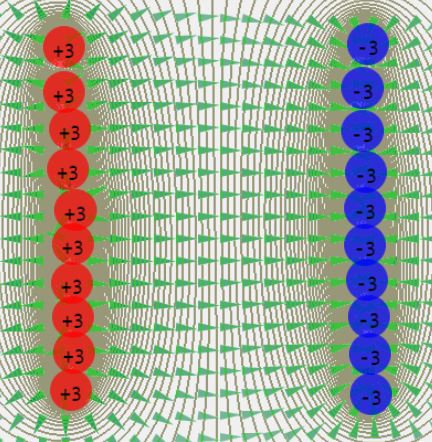
What you’re seeing is essentially the same electric field that exists inside a capacitor, one of the most important components inside smartphones, computers, and countless other electronic devices.
A capacitor is surprisingly simple—it consists of two metal plates facing each other. One plate stores positive charge, the other stores negative charge, creating a nearly uniform electric field between them. That electric field is where electrical energy is stored.
Notice how the electric field lines between the rows of positive and negative charges become almost perfectly straight and parallel? That’s a remarkably accurate picture of what’s happening inside a real capacitor.
It’s fascinating to realize that the smartphone you use every day is filled with tiny components relying on exactly this invisible phenomenon.
The Creativity of Teachers Brings Science to Life
Teachers across the country continue to create outstanding educational resources like this.
Tools like this simulator are much more than convenient teaching aids—they’re powerful answers to one of science education’s biggest challenges: how do we make invisible phenomena visible?
In a real laboratory, it’s nearly impossible to manipulate electric charges freely enough to observe these effects directly. But in a simulation, you can change the amount of charge, rearrange the configuration, and experiment as many times as you like.
Being able to explore, make mistakes, and try again without fear is one of the most valuable ways to learn science.
This simulator is two-dimensional, but it would be even more exciting if the electric potential could be visualized as a three-dimensional landscape where height represents voltage.
Contact & Collaborations
I love making the wonders of science accessible to everyone! Here you’ll find easy-to-follow science experiments you can try at home, along with practical tips for making them a success. Feel free to explore the site!
・The Science Notebook has been published as a book. Learn more here.
・Want to know more about Ken Kuwako? Click here.
・For writing, lectures, science workshops, TV supervision, media appearances, and other collaborations, click here.
・Follow the latest article updates on X!
 The Science Notebook Channel is packed with fun science experiment videos!
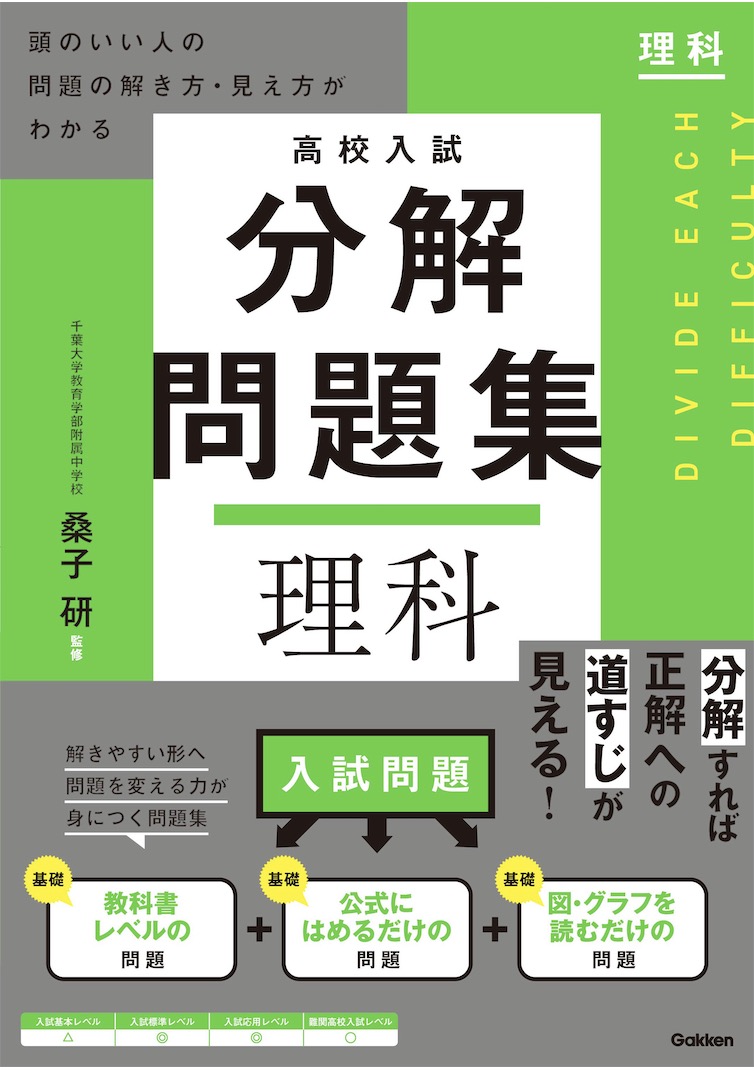
NEW 分解問題集 理科
- 7月21日発売!『高校入試 分解問題集 理科』(学研)…難しい問題も小さな問題に分解することで、問題を解くことができます。そんな分解の技術が身につくように深く関わりを持って作りました。
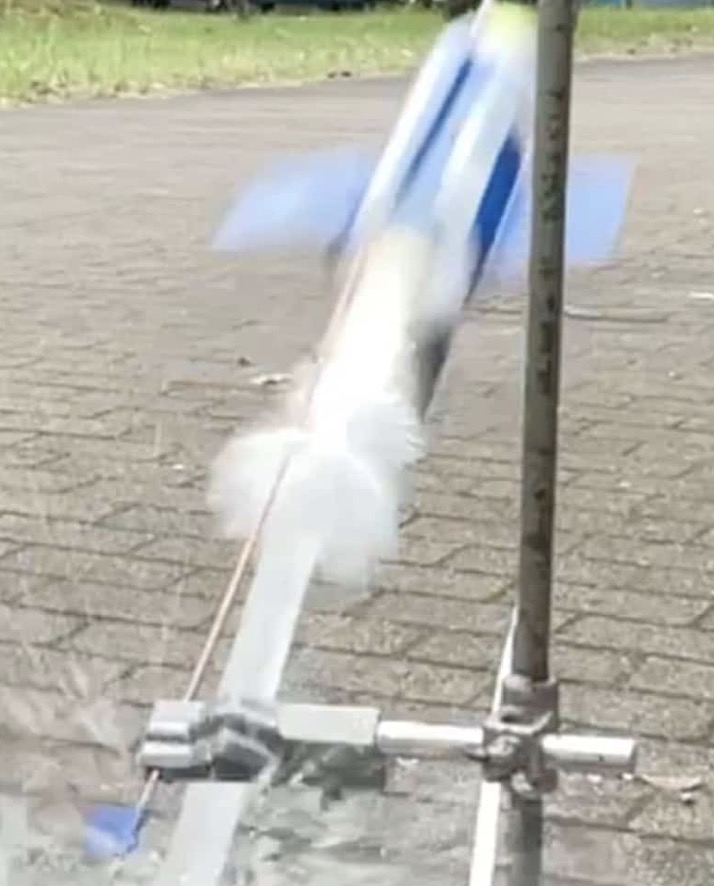
7・8月のイチオシ実験!
夏でプシュッと爽やか実験!
テレビ番組監修・イベント等のお知らせ
- 7月30日(水)科学監修「TIF presents ONE SONG FES」(フジテレビ) 26:15~27:15
- 12月26日(土) ナリカサイエンスアカデミー(教員向け実験講習会)開催
書籍のお知らせ
- 『大人のための高校物理復習帳』(講談社)…一般向けに日常の物理について公式を元に紐解きました。特設サイトでは実験を多数紹介しています。※増刷がかかり6刷となりました(2026/02/01)

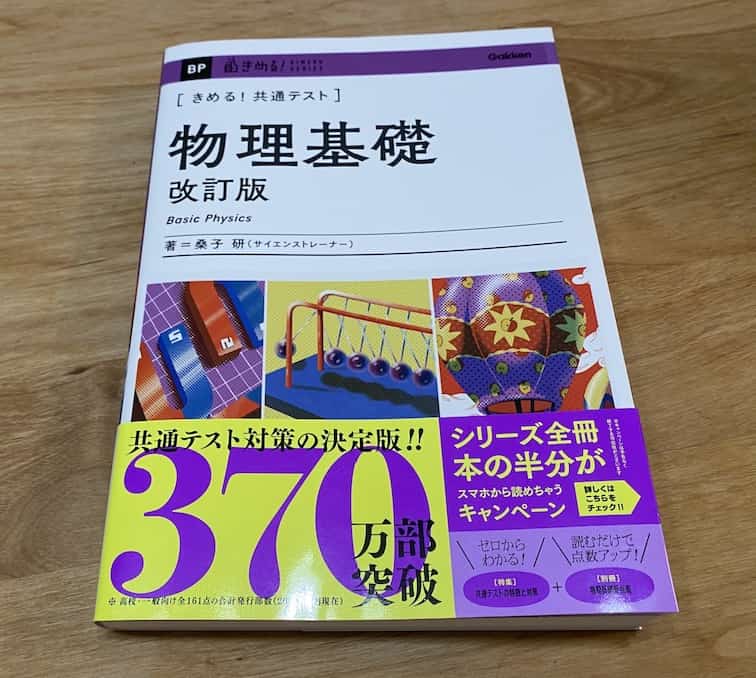
- 『きめる!共通テスト 物理基礎 改訂版』(学研)… 高校物理の参考書です。イラストを多くしてイメージが持てるように描きました。授業についていけない、物理が苦手、そんな生徒におすすめです。特設サイトはこちら。
各種SNS(更新情報をお届け!)
【日本語】X(Twitter)/instagram/Facebook 【英語】BlueSky/Threads
Explore
- 楽しい実験…お子さんと一緒に夢中になれるイチオシの科学実験を多数紹介しています。また、高校物理の理解を深めるための動画教材も用意しました。
- 理科の教材… 理科教師をバックアップ!授業の質を高め、準備を効率化するための選りすぐりの教材を紹介しています。
- Youtube…科学実験等の動画を配信しています。
- 科学ラジオ …科学トピックをほぼ毎日配信中!AI技術を駆使して作成した「耳で楽しむ科学」をお届けします。
- 講演 …全国各地で実験講習会・サイエンスショー等を行っています。
- About …「科学のネタ帳」のコンセプトや、運営者である桑子研のプロフィール・想いをまとめています。
- お問い合わせ …実験教室のご依頼、執筆・講演の相談、科学監修等はこちらのフォームからお寄せください。