What Happens When You Put Vaseline on the Underside of a Leaf? A Hydrangea Transpiration Experiment
I’m Ken Kuwako, Science Trainer. Every day is an experiment.
If plants could sweat, where do you think it would come from? As it turns out, plants release a surprising amount of water into the air every single day, completely out of our sight. This phenomenon is called “transpiration.” In this post, I’ll show you an experiment that lets you see it in action, using hydrangea leaves.
Catching Transpiration with Hydrangea Leaves
Here’s the experiment setup using hydrangea leaves to observe transpiration. A fellow teacher had it all ready to go, so I snapped a few photos.

Comparing Four Branches: A “Controlled Experiment”
We prepared four types of branches and tracked how much water each one lost: one left untouched, one with its leaves removed, one with Vaseline on the top of the leaves, and one with Vaseline on the underside. To keep water from simply evaporating off the surface, we poured a thin layer of oil on top of the water.
Changing just one thing while keeping everything else the same is called a “controlled experiment.” Here, the only differences are whether the branch has leaves and which side of the leaves got the Vaseline. That means any difference in water loss can be traced back to its source.


Leaves are covered in tiny pores called “stomata.” Most of the water that leaves a plant during transpiration escapes through these little openings. Vaseline is a sticky, oily substance, so it works like a lid that plugs the stomata.
In many plants, stomata are more common on the underside of the leaf. So we can predict that the water loss will differ depending on whether the Vaseline goes on the top or the bottom.
Why Put Oil on the Water?
If you leave the water uncovered, some of it will evaporate straight from the surface. Then you couldn’t tell whether the missing water was drawn up by the plant or simply evaporated into the air. By covering the surface with oil, we make sure the only way water can disappear is through the plant: it sucks the water up and releases it. It’s a small trick, but it’s a big part of what makes the experiment trustworthy.
Here’s how to read your results. The branch with its leaves removed gives you a baseline, showing how much water is lost through things other than the leaves (like the stem) and through the experimental setup itself. The difference between that and the untouched branch gives you a rough idea of how much water the leaves transpire.
And if the branch with Vaseline on the underside loses less water than the one with Vaseline on top, that’s evidence that stomata are more common on the underside. What result do you expect? Make a prediction first, then check it against what actually happens!
Stomata: Doors a Plant Wants Open, but Not Too Open
Stomata are exits for water, but they’re also entrances for the carbon dioxide that plants need for photosynthesis. The catch is that every time a plant opens its stomata to take in carbon dioxide, water slips out too.
Plants open and close their stomata depending on how bright it is and how dry the air is, constantly balancing “I want that carbon dioxide, but I don’t want to lose my water.” Plants can’t move around, yet they’re quietly making all kinds of fine adjustments just to stay alive.
Transpiration isn’t just wasting water, either. It’s thought to do some important jobs. As water leaves through the leaves, it creates a pulling force that draws water up from the roots. In other words, transpiration acts like a pump that lifts water up through the plant. On top of that, when water evaporates, it takes heat with it (this is called “latent heat of vaporization”), which keeps the leaves from getting too hot.
Contact and Requests
Making science more fun and closer to everyday life! This site collects fun science experiments you can do at home, along with tips to help them succeed. Try searching around and see what you find!
・The content of Kagaku no Netacho (Science Idea Notebook) is now a book! Details are here
・Learn more about the author, Ken Kuwako, here
・For requests (writing, lectures, science workshops, TV supervision and appearances, and more), click here
・Get article updates on X!
 Kagaku no Neta Channel features experiment videos!
テレビ番組監修・イベント等のお知らせ
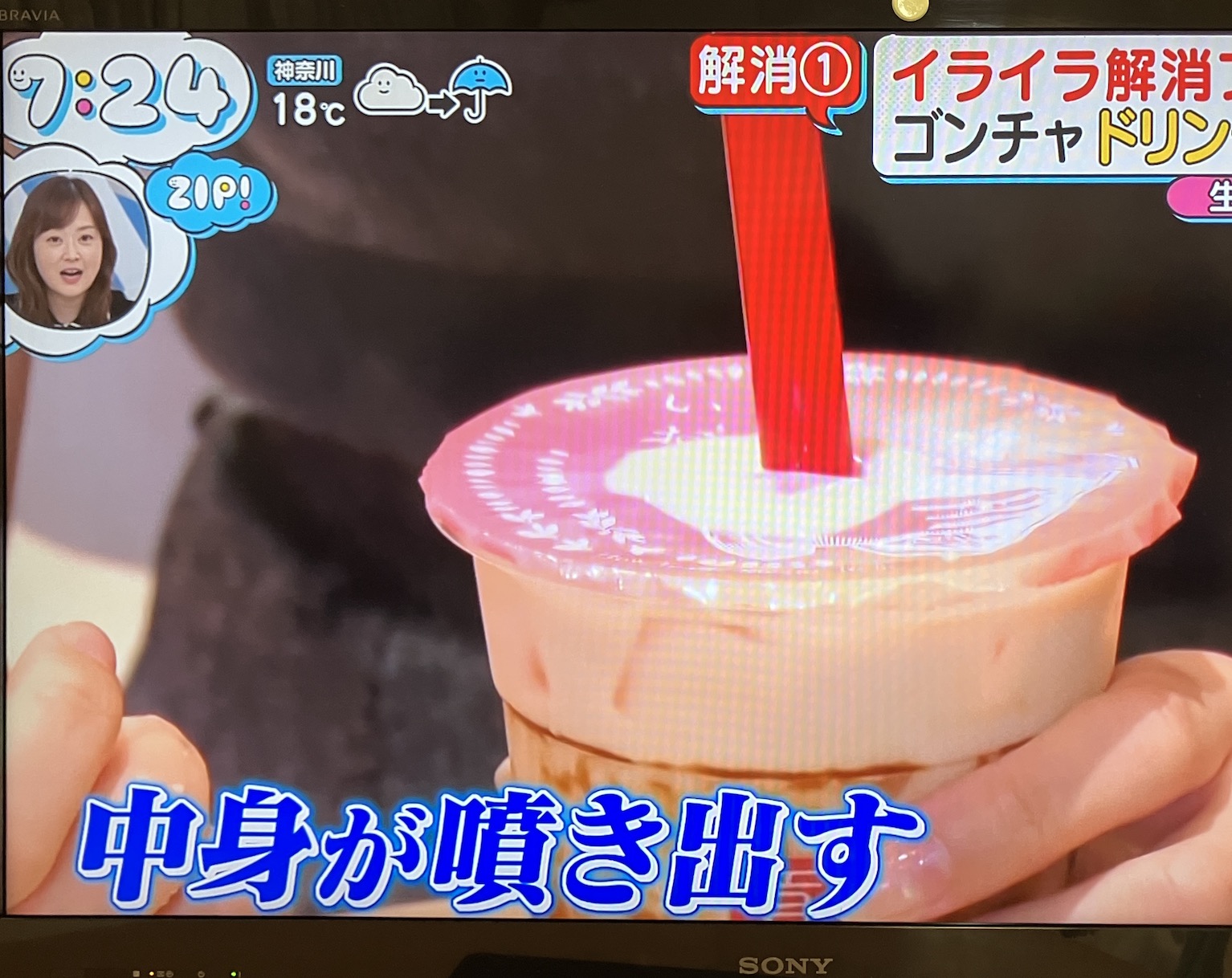
- 11/4(水)ZIP(日本テレビ)のコーナー(7:20分ころ放送予定)にて科学監修を担当しました。ゴンチャのストローの差し方に関するウラザワと科学解説についてです。
- 11月27日(金) テレビ監修番組放送予定
- 12月26日(土) ナリカサイエンスアカデミー(教員向け実験講習会)開催
11月のイチオシ実験!
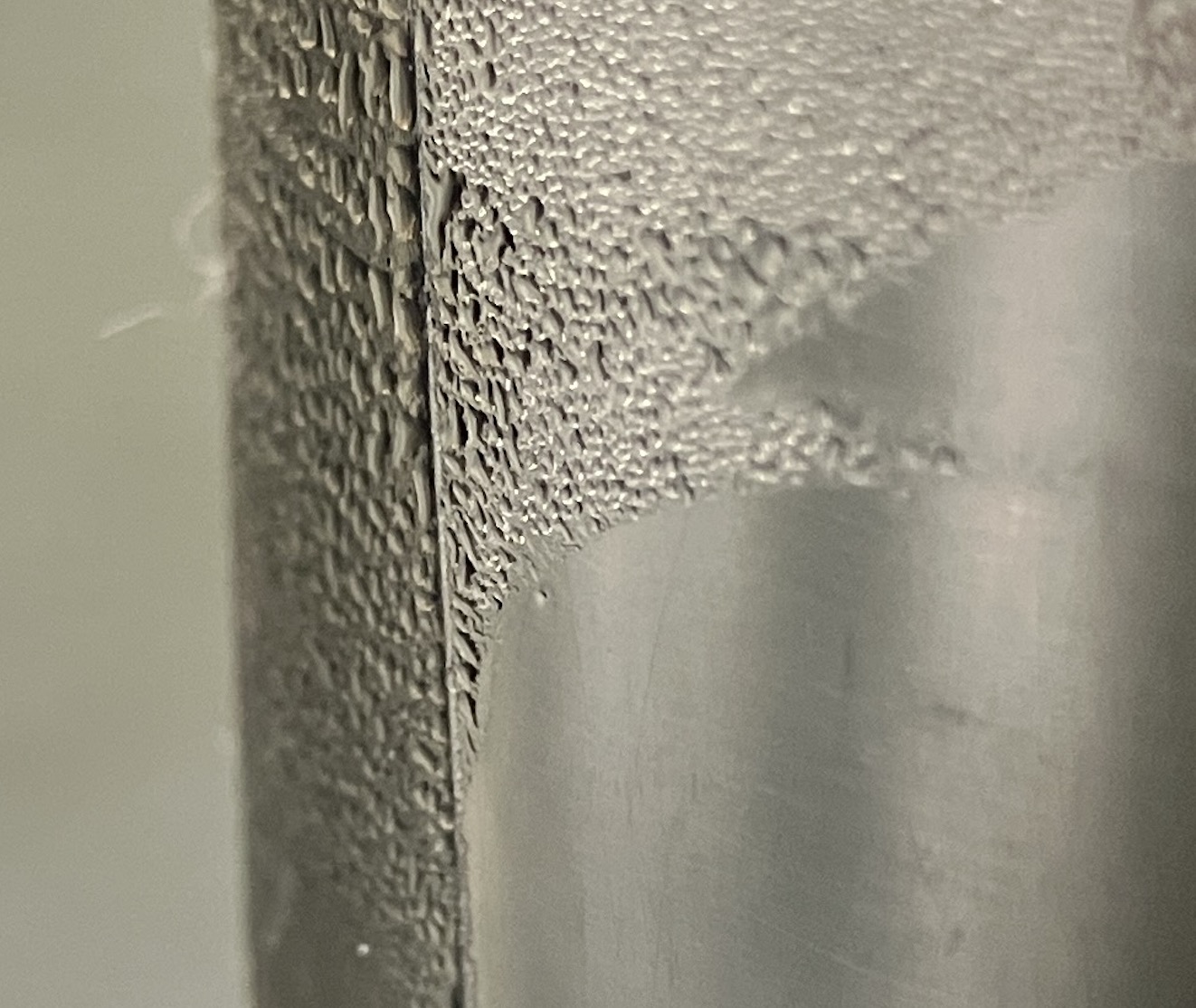
どうして結露は起こるのか?結露を防ぐためには?実験で確かめよう!
書籍のお知らせ
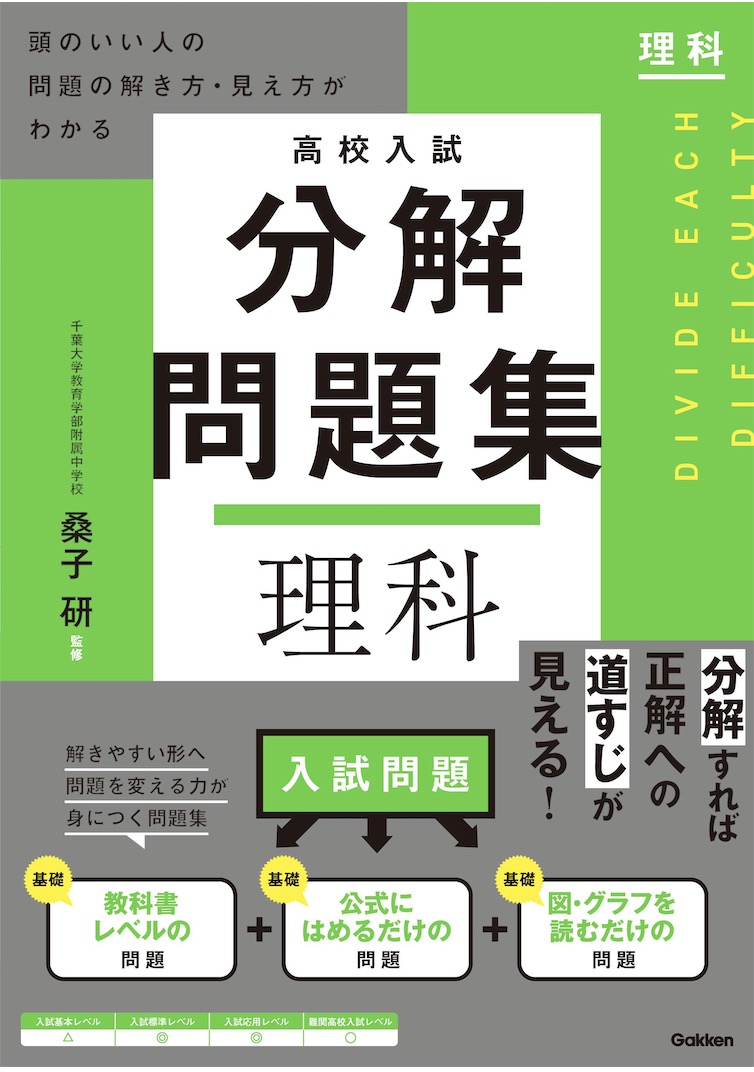
- 『高校入試 分解問題集 理科』(学研)…難しい問題も小さな問題に分解することで、問題を解くことができます。そんな分解の技術が身につくように深く関わりを持って作りました。
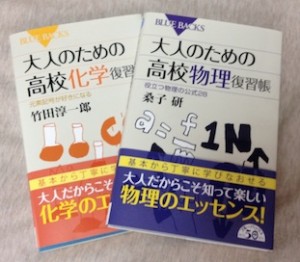
 『大人のための高校物理復習帳』(講談社)…一般向けに日常の物理について公式を元に紐解きました。特設サイトでは実験を多数紹介しています。※増刷がかかり6刷となりました(2026/02/01)
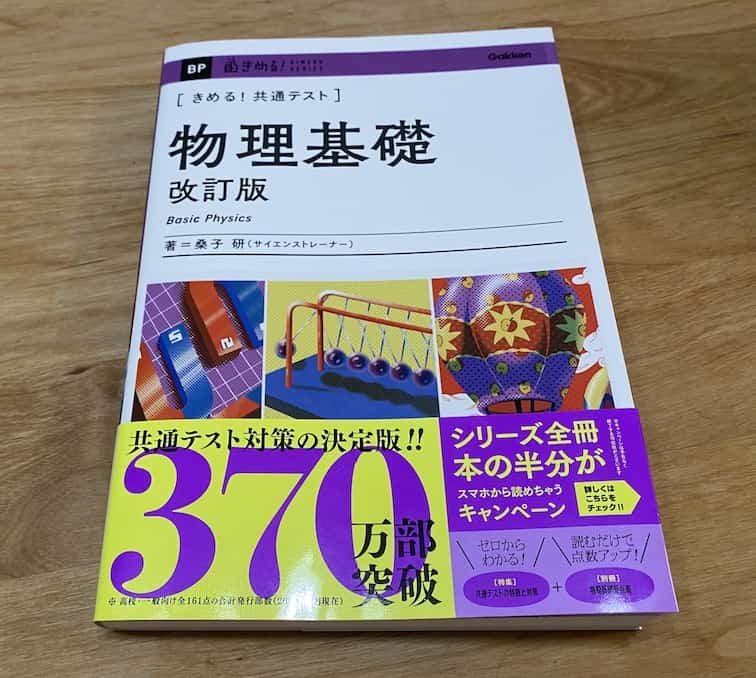
- 『きめる!共通テスト 物理基礎 改訂版』(学研)… 高校物理の参考書です。イラストを多くしてイメージが持てるように描きました。授業についていけない、物理が苦手、そんな生徒におすすめです。特設サイトはこちら。
各種SNS(更新情報をお届け!)
【日本語】X(Twitter)/instagram/Facebook 【英語】BlueSky/Threads
Explore
- 楽しい実験…お子さんと一緒に夢中になれるイチオシの科学実験を多数紹介しています。また、高校物理の理解を深めるための動画教材も用意しました。
- 理科の教材… 理科教師をバックアップ!授業の質を高め、準備を効率化するための選りすぐりの教材を紹介しています。
- Youtube…科学実験等の動画を配信しています。
- 科学ラジオ …科学トピックをほぼ毎日配信中!AI技術を駆使して作成した「耳で楽しむ科学」をお届けします。
- 講演 …全国各地で実験講習会・サイエンスショー等を行っています。
- About …「科学のネタ帳」のコンセプトや、運営者である桑子研のプロフィール・想いをまとめています。
- お問い合わせ …実験教室のご依頼、執筆・講演の相談、科学監修等はこちらのフォームからお寄せください。
 How Tall Can 20 Strands of Pasta Go? The 18-Minute Challenge and the 99 cm Record
 What Happens When You Put Vaseline on the Underside of a Leaf? A Hydrangea Transpiration Experiment
 Look Up from Beneath a Tree! The Secret of the “Hands” That Gather Light
 Human Relay Race Reveals Your Nerve Speed! The Hidden Drama Inside Your Body in Just 0.187 Seconds (Sense of Touch)
 One Point on Your Back, Two on Your Fingertip? The Mystery of Your Skin Sensors, Revealed with Toothpicks
 [Science Supervision] Why Does It Spray Everywhere? The Science Behind Spill-Free Gong Cha Drinks | ZIP (Nippon TV)
 The Flame Turned Green! Is It Really Copper? A Test After Electrolysis of Copper Chloride
 No Wires, Still Glowing! The Magic of Mutual Induction That Flashes an LED for a Split Second
 Just Wipe on Dish Soap and Window Condensation “Disappears”?! The Science of Spreading Water Droplets

