Why Are the Top and Bottom of a Leaf Different Colors? The Surprising Link Between Light and Cell Density
Ken Kuwako here, your science trainer. Every day is an experiment.
Have you ever gently flipped a leaf over? The top is a deep, rich green, but the underside looks lighter, almost a whitish yellow-green.
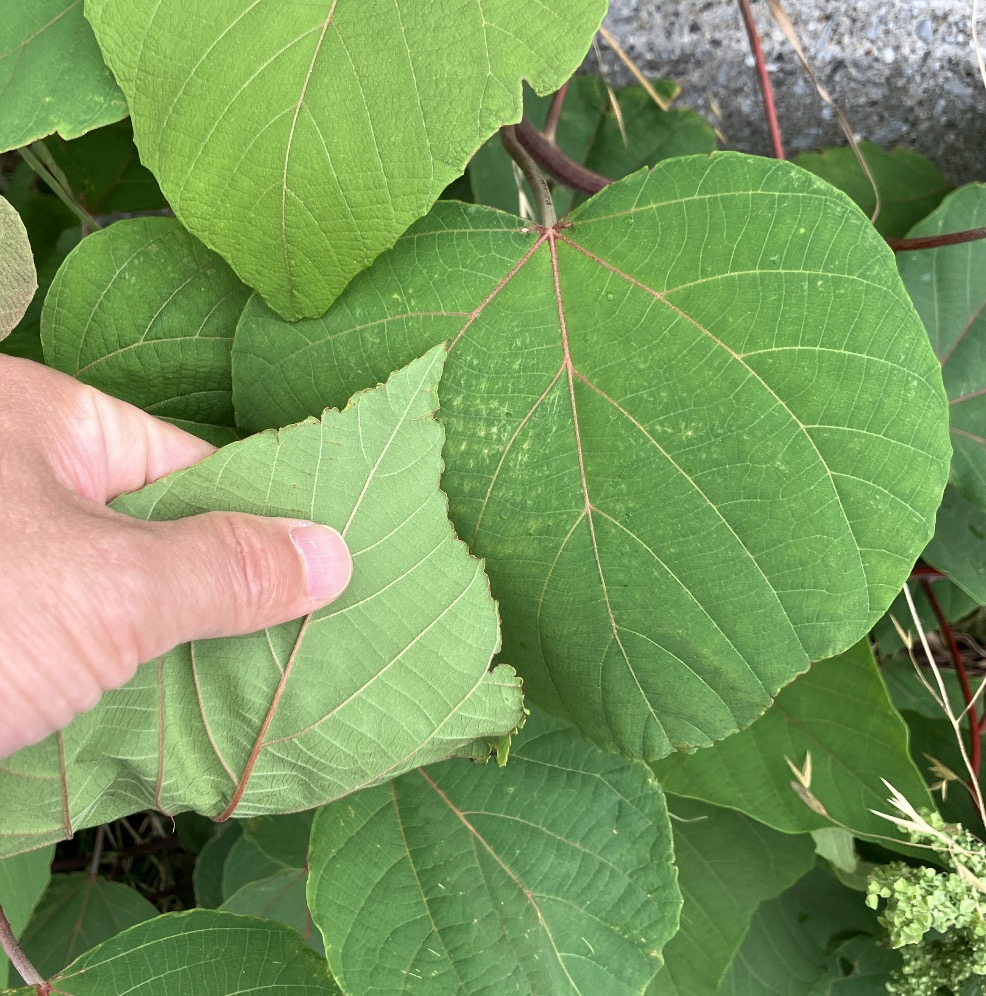
You see leaves every single day, yet if someone asks “Why is that?”, it’s surprisingly hard to answer. The secret turns out to lie in the different densities of the cells inside the leaf.
A Leaf’s Cross-Section Is a Precision Light-Catching Machine
The cells on the top and bottom sides of a leaf are arranged in completely different ways. The cells on the top side are densely packed together, while the cells on the underside are loosely arranged, with lots of gaps between them. This difference changes how light behaves inside the leaf.
Light entering from the top bounces and bends again and again between those tightly packed cells, traveling a long way through the leaf. Along that journey, it runs into chloroplasts over and over. Chloroplasts are great at absorbing red and blue light, so on the top side, red and blue light gets thoroughly absorbed, and the leftover green light is reflected back to your eyes as a deep green.
Why Light Entering from Below Just Slips Right Through
So what happens to light that enters from the underside? Because the cells are so loosely packed, the light doesn’t travel very far into the leaf. It bends and escapes almost right away. With fewer encounters with chloroplasts, red and blue light isn’t absorbed as well, so what gets reflected is a mix of green plus some red and blue. That’s why the underside looks like a paler, whitish yellow-green compared with the top. This comes down to a difference in optical path length (the distance light travels through a material), and it’s a beautifully logical setup from an optics point of view.
Sunflowers vs. Rice: Leaf Orientation Changes the Answer
Here’s where it gets even more interesting: this top-versus-bottom color difference doesn’t show up in every plant. In plants whose leaves lie flat and horizontal, like sunflowers, the difference is crystal clear. It’s a smart strategy. Horizontal leaves catch sunlight pouring down from above head-on, so it pays to make the top side a photosynthesis specialist.
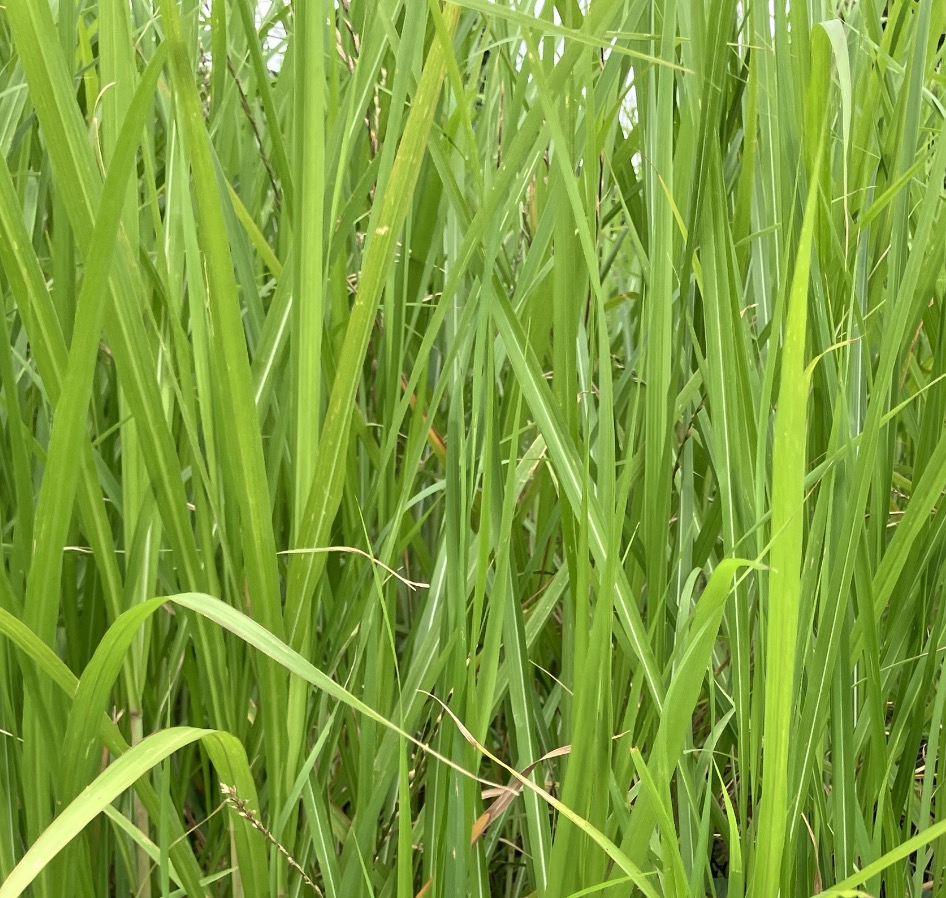
On the other hand, in plants like rice, whose leaves stand upright (or at an angle), light hits both sides about equally. So both surfaces are equally green, and the difference in cell density is much smaller. Plants fine-tune even their internal structure to match the way their leaves are oriented.
Try It Yourself with Leaves Around You
If you spot a plant with horizontal leaves, like a sunflower, morning glory, or hydrangea, go ahead and flip a leaf over to take a look. The color difference between the top and bottom is proof of the light-and-cell mechanism you just learned about. If you have a magnifying glass, try hunting for the tiny pores called stomata on the underside, too.
Everything in your textbook is packed into a single leaf.
Contact and Requests
Science is full of wonder and fun, and it’s closer than you think! This site collects enjoyable science experiments you can do at home, along with tips to help them go well. Try searching around!
・The content of “Kagaku no Netacho” has been turned into a book. Details are here
・To learn more about the site’s author, Ken Kuwako, click here
・For requests of all kinds (writing, lectures, science workshops, TV supervision and appearances, etc.), click here
・Article updates are posted on X!
 Kagaku no Neta Channel features experiment videos!
お知らせ!10/10 サイエンスショー開催(無料イベント!)
10月10日(土)11:15~12:00 千葉市科学フェスタ2026「桑子先生の回転科学ショー」にてサイエンスショーを行います。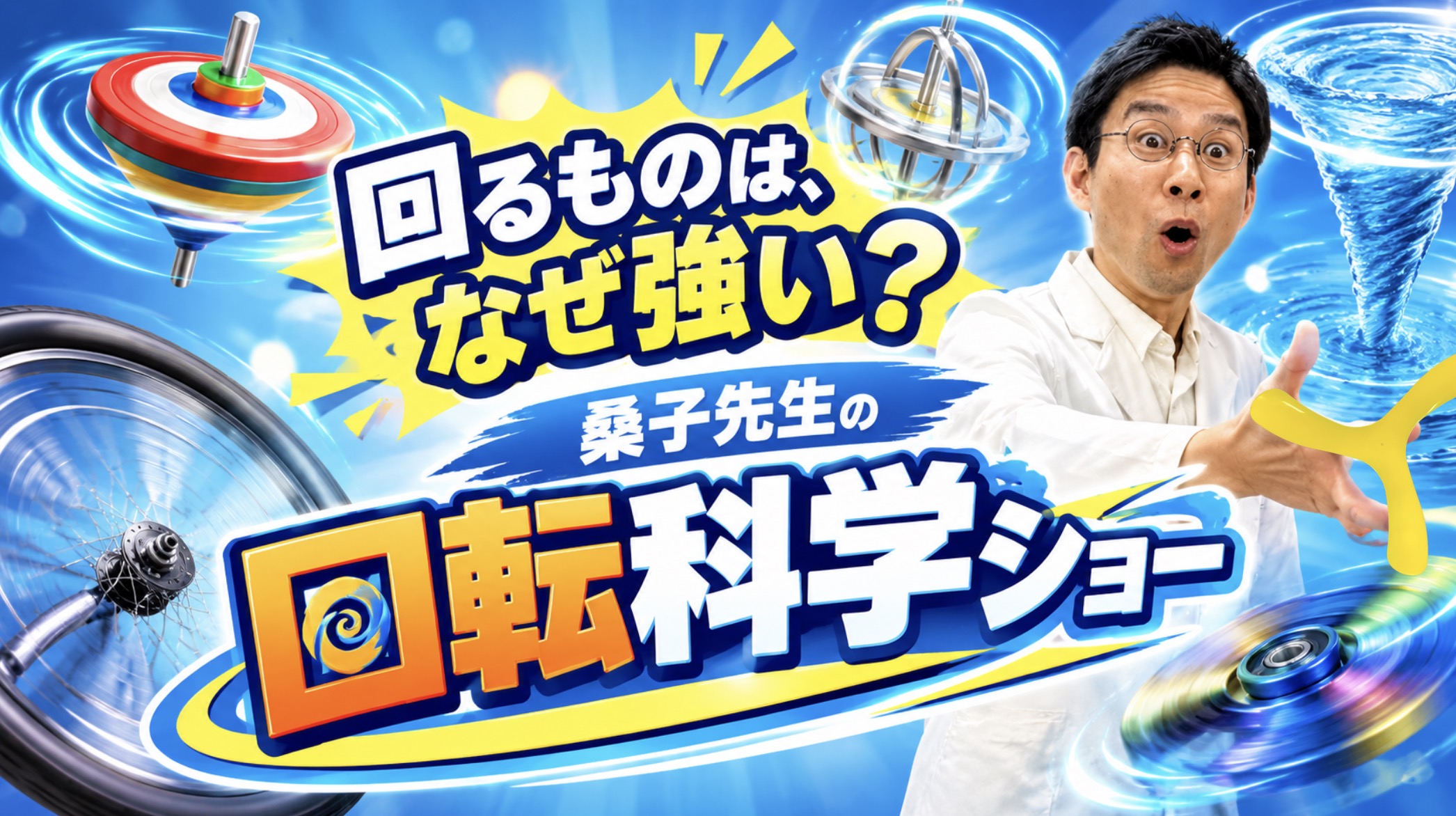
10月のイチオシ実験!
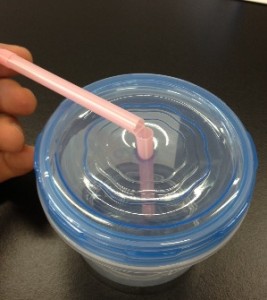
テレビ番組監修・イベント等のお知らせ
- 12月26日(土) ナリカサイエンスアカデミー(教員向け実験講習会)開催
書籍のお知らせ
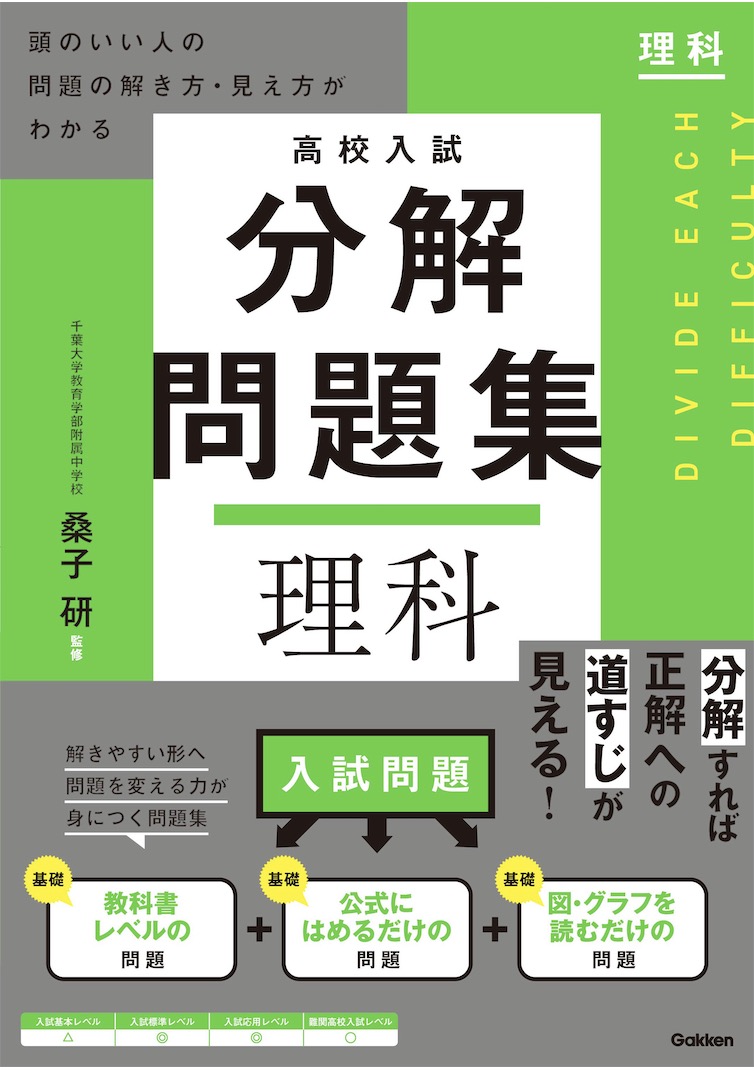
- 『高校入試 分解問題集 理科』(学研)…難しい問題も小さな問題に分解することで、問題を解くことができます。そんな分解の技術が身につくように深く関わりを持って作りました。
 『大人のための高校物理復習帳』(講談社)…一般向けに日常の物理について公式を元に紐解きました。特設サイトでは実験を多数紹介しています。※増刷がかかり6刷となりました(2026/02/01)
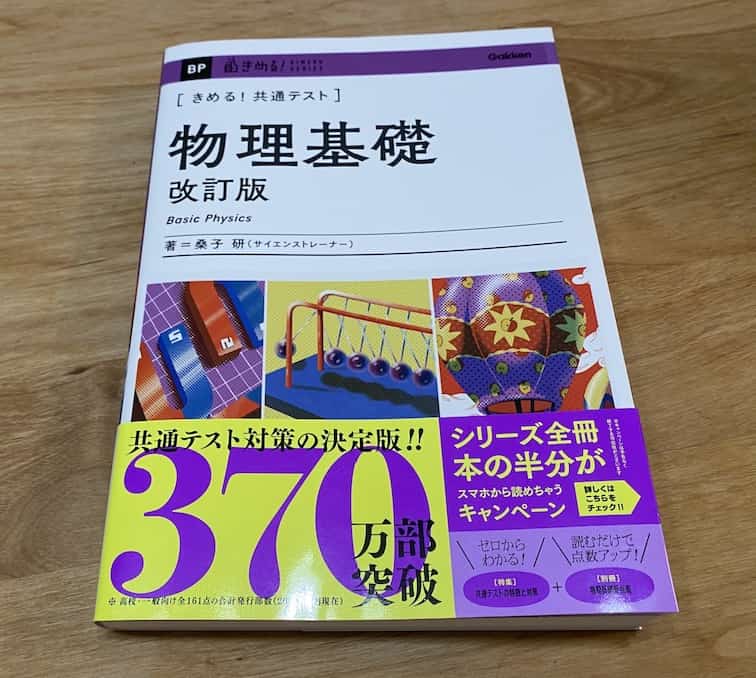
- 『きめる!共通テスト 物理基礎 改訂版』(学研)… 高校物理の参考書です。イラストを多くしてイメージが持てるように描きました。授業についていけない、物理が苦手、そんな生徒におすすめです。特設サイトはこちら。
各種SNS(更新情報をお届け!)
【日本語】X(Twitter)/instagram/Facebook 【英語】BlueSky/Threads
Explore
- 楽しい実験…お子さんと一緒に夢中になれるイチオシの科学実験を多数紹介しています。また、高校物理の理解を深めるための動画教材も用意しました。
- 理科の教材… 理科教師をバックアップ!授業の質を高め、準備を効率化するための選りすぐりの教材を紹介しています。
- Youtube…科学実験等の動画を配信しています。
- 科学ラジオ …科学トピックをほぼ毎日配信中!AI技術を駆使して作成した「耳で楽しむ科学」をお届けします。
- 講演 …全国各地で実験講習会・サイエンスショー等を行っています。
- About …「科学のネタ帳」のコンセプトや、運営者である桑子研のプロフィール・想いをまとめています。
- お問い合わせ …実験教室のご依頼、執筆・講演の相談、科学監修等はこちらのフォームからお寄せください。