Liquid One Second, Solid the Next! The Color-Changing “Mystery Slime” Experiment
I’m Ken Kuwako, the Science Trainer. Every day is an experiment.
At the Science Club of Chiba University Junior High School, we run a special program called “Science Club Exchange.” We visit science clubs at other schools, share our favorite experiments, and learn from one another—it’s like a friendly practice match, but for science enthusiasts. This time, we had the pleasure of visiting Kyoritsu Girls’ Junior High School, where we came away with plenty of fresh ideas. One experiment stood out above the rest: the incredible “Mystery Slime.” Today, I’d love to share it with you.
Let’s Start with Classic Slime
First, pour 10 mL of liquid laundry glue into a beaker.
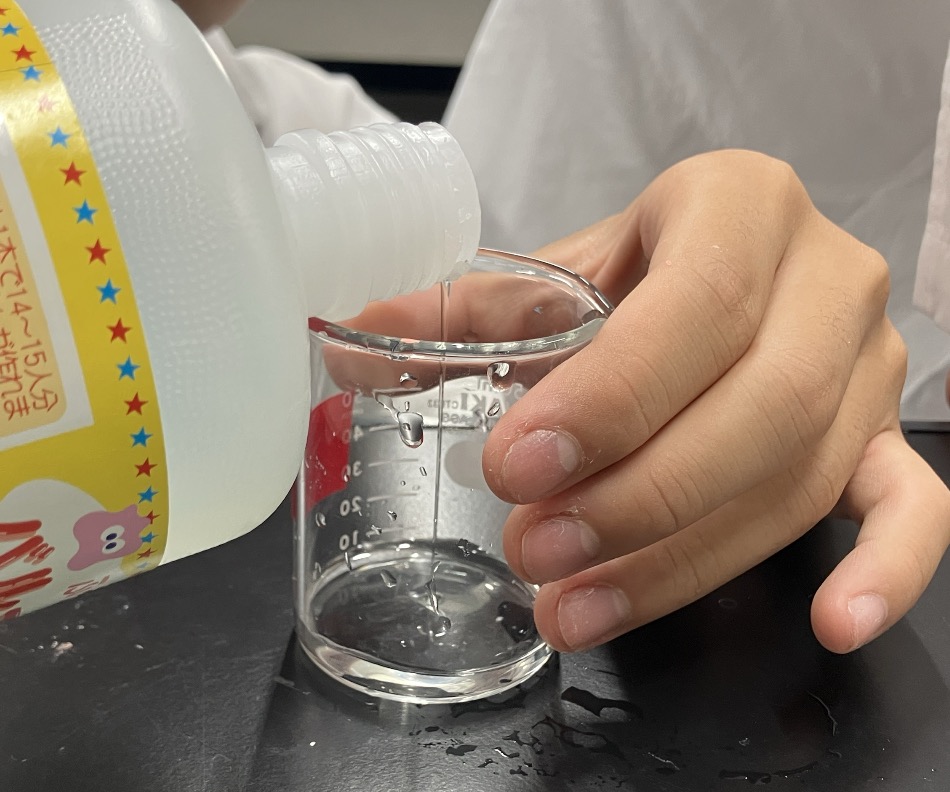
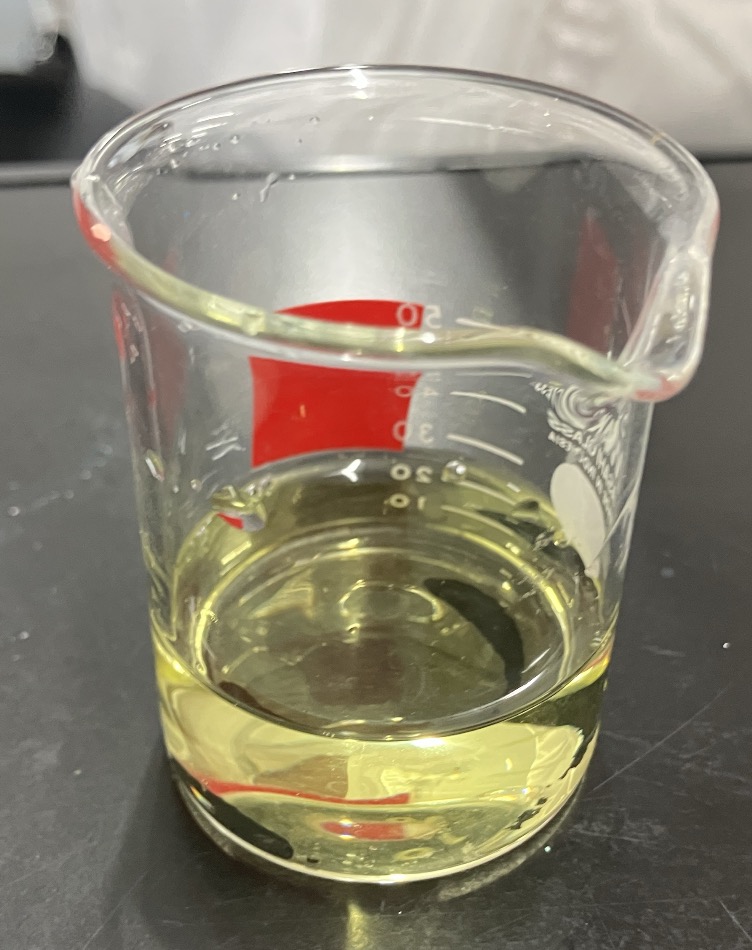
Next, add 10 mL of water. Here’s the twist that makes this slime different: add six drops of BTB solution. The mixture immediately turns yellow, telling us that it’s acidic.
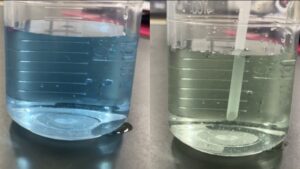
Now add some borax solution and stir. Something surprising happens—the BTB indicator changes to blue.
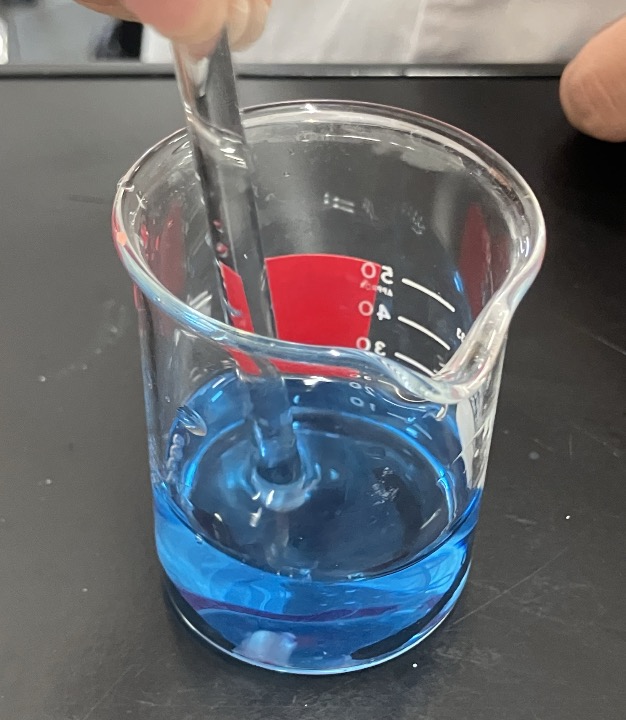
That tells us the borax solution is alkaline.
Add Citric Acid—and Both the Color and Texture Change!
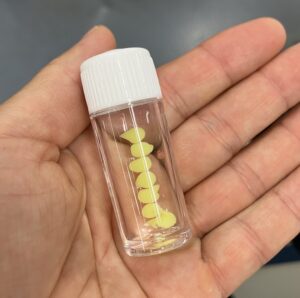
Now sprinkle in some citric acid.
As the solution becomes more acidic, the color shifts back to yellow. But that’s not all—the firm, stretchy slime suddenly collapses into a runny liquid.
It’s easy to understand why the BTB changes color, since citric acid is, after all, an acid. But why does the slime lose its texture?
Bring It Back with Sodium Carbonate
Now add some sodium carbonate and stir.
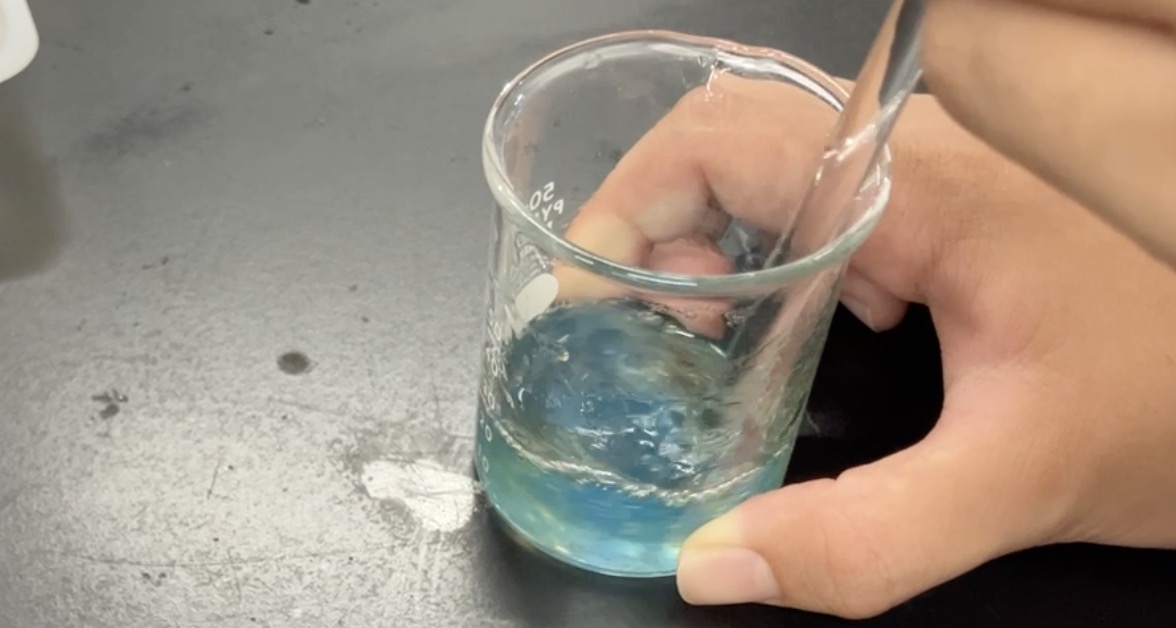
The solution becomes alkaline again. The BTB turns blue, and at the same time, the familiar stretchy, gooey slime magically returns.
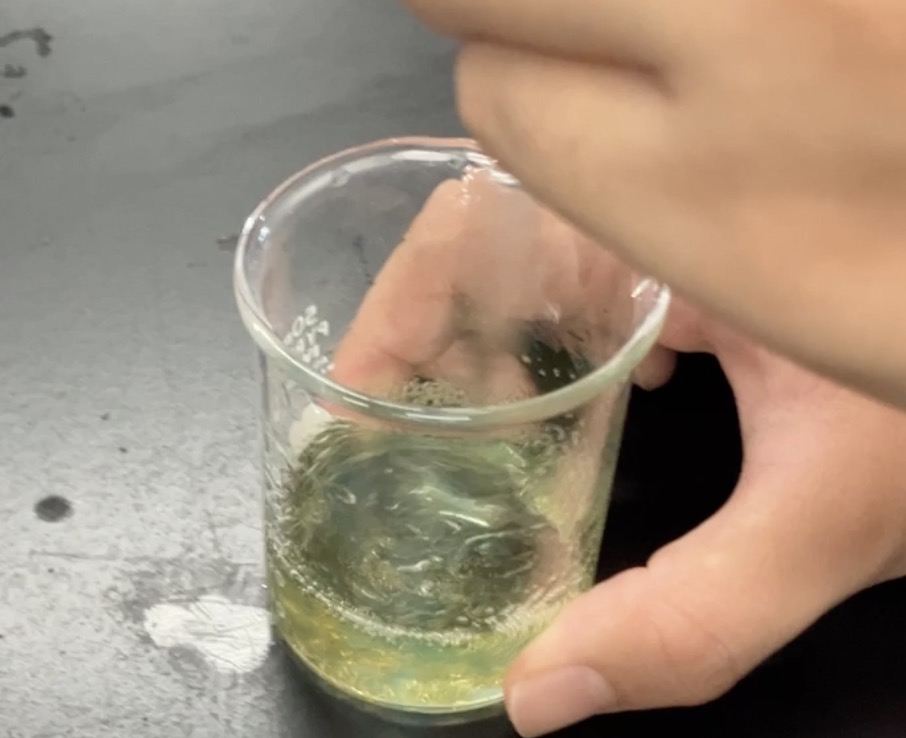
Watching the slime repeatedly switch between a solid gel and a liquid is every bit as fascinating as watching the colors change.
Why Does It Keep Switching Between a Liquid and a Gel?
Here’s where the real science begins.
Why does the slime transform back and forth between a jiggly gel and a flowing liquid?
The main ingredient in laundry glue is a polymer called PVA (polyvinyl alcohol). Think of PVA molecules as extremely long strings floating freely in water. When they’re simply drifting around on their own, the mixture behaves like a liquid.
Everything changes when borax (sodium borate) is added.
Borate ions from the borax act like tiny connectors, linking neighboring PVA chains together. Imagine tying pieces of yarn together with countless little knots. These links, known as cross-links, create a giant network throughout the mixture.
Once this network forms, the polymer chains can no longer move freely. Instead, the whole mixture becomes a soft, elastic gel—that’s the slime we know and love.
Here’s the really interesting part:
The strength of these cross-links depends on the pH of the solution.
In an acidic environment, borate ions combine with hydrogen ions and become boric acid instead. Boric acid is much less effective at connecting PVA chains, so the tiny molecular bridges begin to disappear. As more and more links break apart, the network falls apart, and the slime turns back into a flowing liquid.
When the solution becomes alkaline again, the opposite happens. Hydrogen ions are removed, allowing boric acid to convert back into borate ions. These borate ions rebuild the molecular bridges, reconnect the PVA chains, and restore the stretchy gel.
In other words:
Adding citric acid makes the solution acidic, breaking the molecular bridges and turning the slime into a liquid.
Adding sodium carbonate makes the solution alkaline, rebuilding those bridges and transforming the liquid back into slime.
Every time the pH changes, millions of invisible molecular bridges are quietly being built or dismantled.
And throughout the experiment, the BTB indicator is showing us exactly what’s happening. Since BTB turns yellow in acidic solutions and blue in alkaline ones, it gives us a colorful window into the invisible molecular world. The color change and the texture change aren’t separate phenomena—they’re both caused by the very same shift in pH.
It’s amazing to think that tiny ions dissolved in ordinary water are constantly making and breaking microscopic bridges. Once you realize that, the slime in the palm of your hand suddenly becomes a gateway into the fascinating world of molecules.
Contact & More Science Fun
Bring the excitement of science into your everyday life! This site is packed with easy-to-follow science experiments you can try at home, along with clear explanations of the science behind them.
Feel free to explore!
・The Science Notebook is now available as a book. Learn more here.
・Read more about Ken Kuwako here.
・For writing, lectures, science workshops, TV consulting, media appearances, and other collaborations, click here.
・Follow the latest article updates on X!
 The Science Notebook Channel is full of hands-on experiment videos!
9月のイチオシ実験!
お弁当箱をプラバンがわりにしてキーホルダーを作ろう!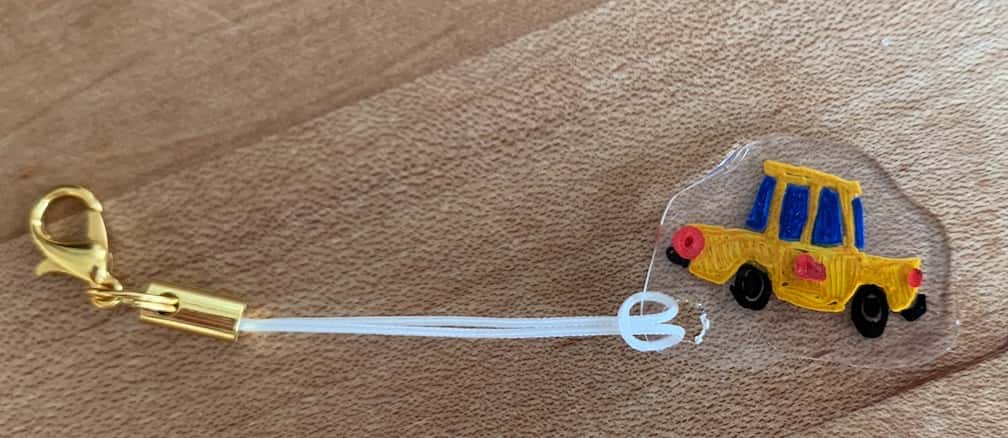
テレビ番組監修・イベント等のお知らせ
- 8月27日(木)科学監修番組放送予定
- 9月20日(日)ダビンチマスターズ出演予定
- 10月10日(土)11:15~12:00 千葉市科学フェスタ2026「桑子先生の回転科学ショー」にてサイエンスショーを行います。
- 12月26日(土) ナリカサイエンスアカデミー(教員向け実験講習会)開催
書籍のお知らせ
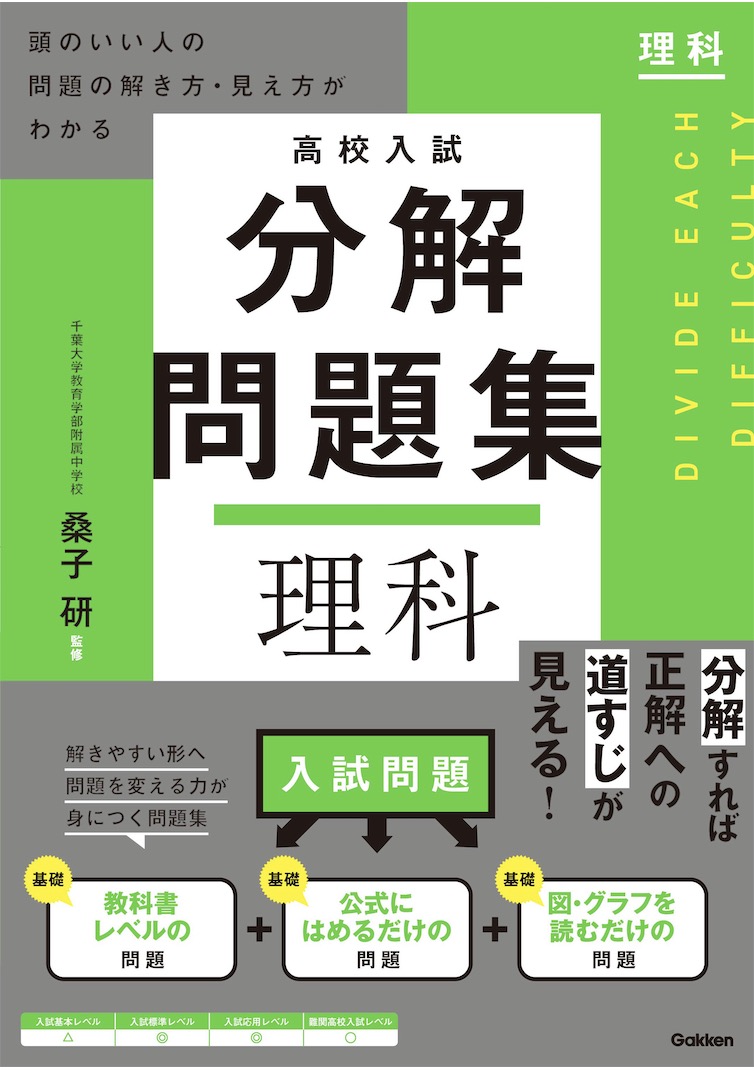
- 『高校入試 分解問題集 理科』(学研)…難しい問題も小さな問題に分解することで、問題を解くことができます。そんな分解の技術が身につくように深く関わりを持って作りました。
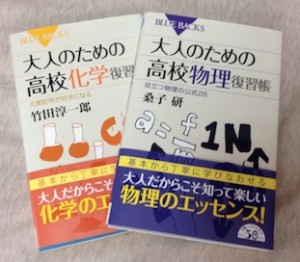
 『大人のための高校物理復習帳』(講談社)…一般向けに日常の物理について公式を元に紐解きました。特設サイトでは実験を多数紹介しています。※増刷がかかり6刷となりました(2026/02/01)
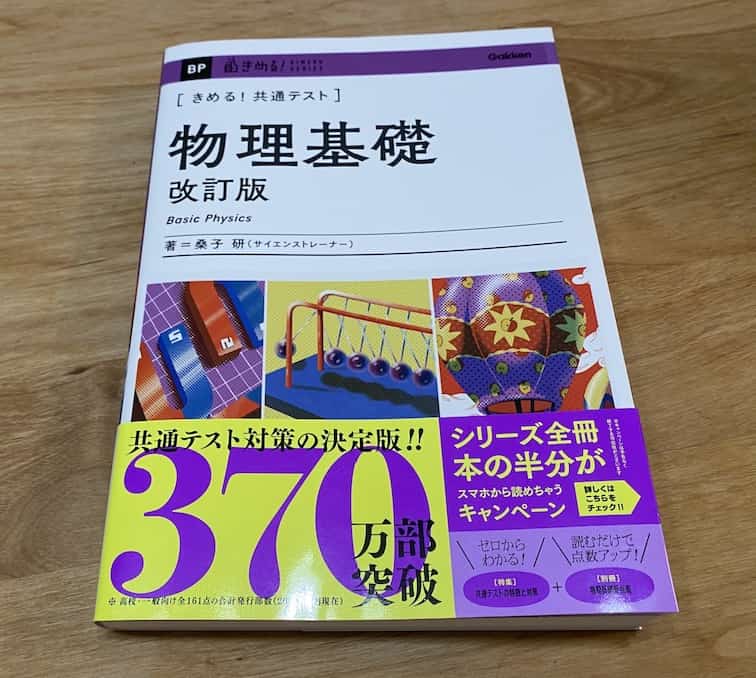
- 『きめる!共通テスト 物理基礎 改訂版』(学研)… 高校物理の参考書です。イラストを多くしてイメージが持てるように描きました。授業についていけない、物理が苦手、そんな生徒におすすめです。特設サイトはこちら。
各種SNS(更新情報をお届け!)
【日本語】X(Twitter)/instagram/Facebook 【英語】BlueSky/Threads
Explore
- 楽しい実験…お子さんと一緒に夢中になれるイチオシの科学実験を多数紹介しています。また、高校物理の理解を深めるための動画教材も用意しました。
- 理科の教材… 理科教師をバックアップ!授業の質を高め、準備を効率化するための選りすぐりの教材を紹介しています。
- Youtube…科学実験等の動画を配信しています。
- 科学ラジオ …科学トピックをほぼ毎日配信中!AI技術を駆使して作成した「耳で楽しむ科学」をお届けします。
- 講演 …全国各地で実験講習会・サイエンスショー等を行っています。
- About …「科学のネタ帳」のコンセプトや、運営者である桑子研のプロフィール・想いをまとめています。
- お問い合わせ …実験教室のご依頼、執筆・講演の相談、科学監修等はこちらのフォームからお寄せください。