DIY Fireworks at Home! Summon a Giant Snake with Sugar and Baking Soda — The Magic “Snake Firework” You Can Make in Your Kitchen
I’m Ken Kuwako, your Science Trainer. Every day is an experiment!
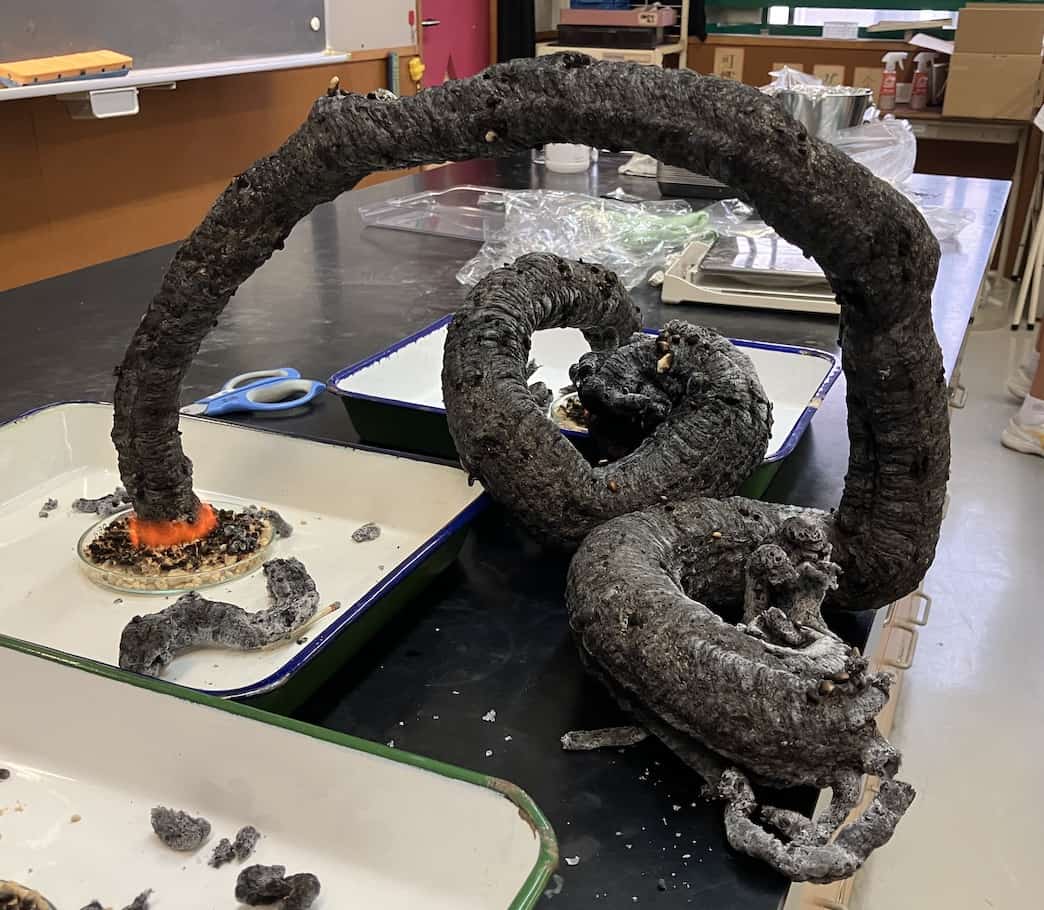 Nothing beats the thrill of watching colorful fireworks light up the summer night sky. But today, I want to show you a different kind of firework—one that doesn’t soar into the clouds, but instead wriggles and grows right out of the ground. It’s a bit mysterious, slightly eerie, and absolutely mesmerizing. Say hello to the Snake Firework.
I want everyone to experience the magic of chemistry—the kind you usually only see in textbooks—as a fun summer project or a family memory. Fueled by that passion, I teamed up with my science club students to take on the challenge of creating the ultimate Great Serpent. Watching everyday household items transform through the power of science is pure entertainment. Even if you aren’t a science whiz, the sheer visual impact will blow you away! Are you ready to open the door to science and summon your own mysterious black serpent?
What You’ll Need
Everything for this experiment can be easily found in your kitchen or local pharmacy.
- Sugar (Sucrose): 20g
- Baking Soda (Sodium Bicarbonate): 5g
- Ethanol: 25ml
- Sand: (We used Kanuma soil, but any regular sand works fine)
- Tray: (Any heat-resistant container will do)
Note: Ethanol comes in various forms like anhydrous (99.5%), regular (95%+), or rubbing alcohol (70%+). For this experiment, as long as it catches fire, any type will work!
Step-by-Step Instructions
After some trial and error with my students, we’ve perfected the method to get the smoothest snake growth.
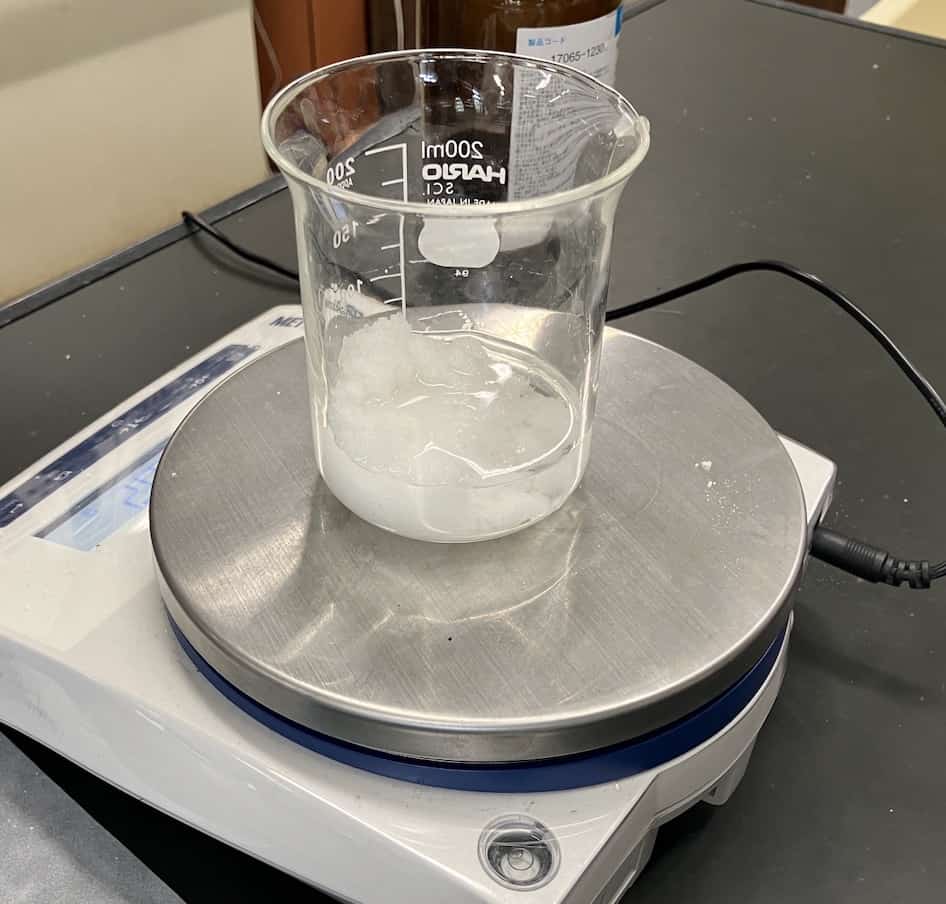
1. Prepare the MixtureCombine 20g of sugar and 5g of baking soda into 25ml of ethanol.
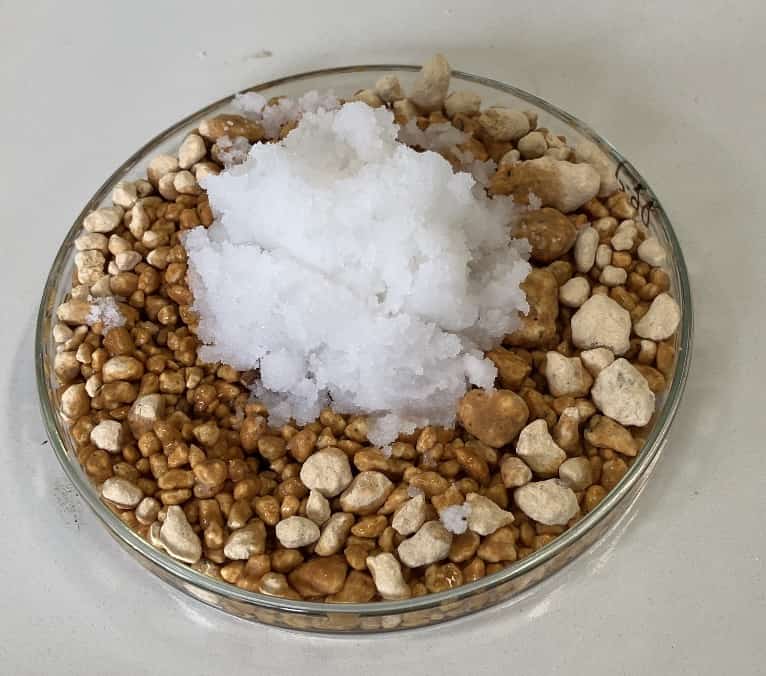
 2. Set the StageStir the mixture well and pour it onto the sand (placed in a tray or Petri dish).
 3. Ignition!Using a long-reach lighter, carefully ignite the mixture.
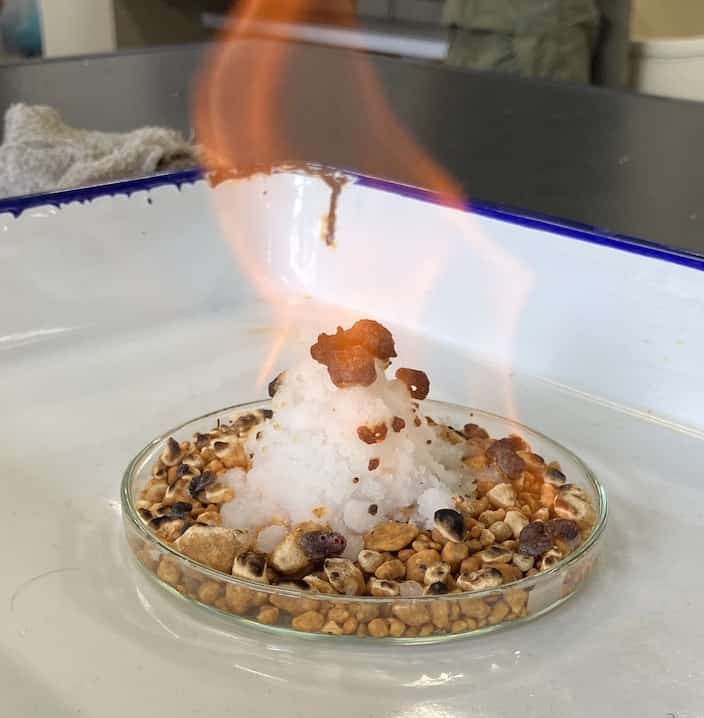 Check out the incredible moment the fire brings it to life!
Results: The Rise of the Black Serpents
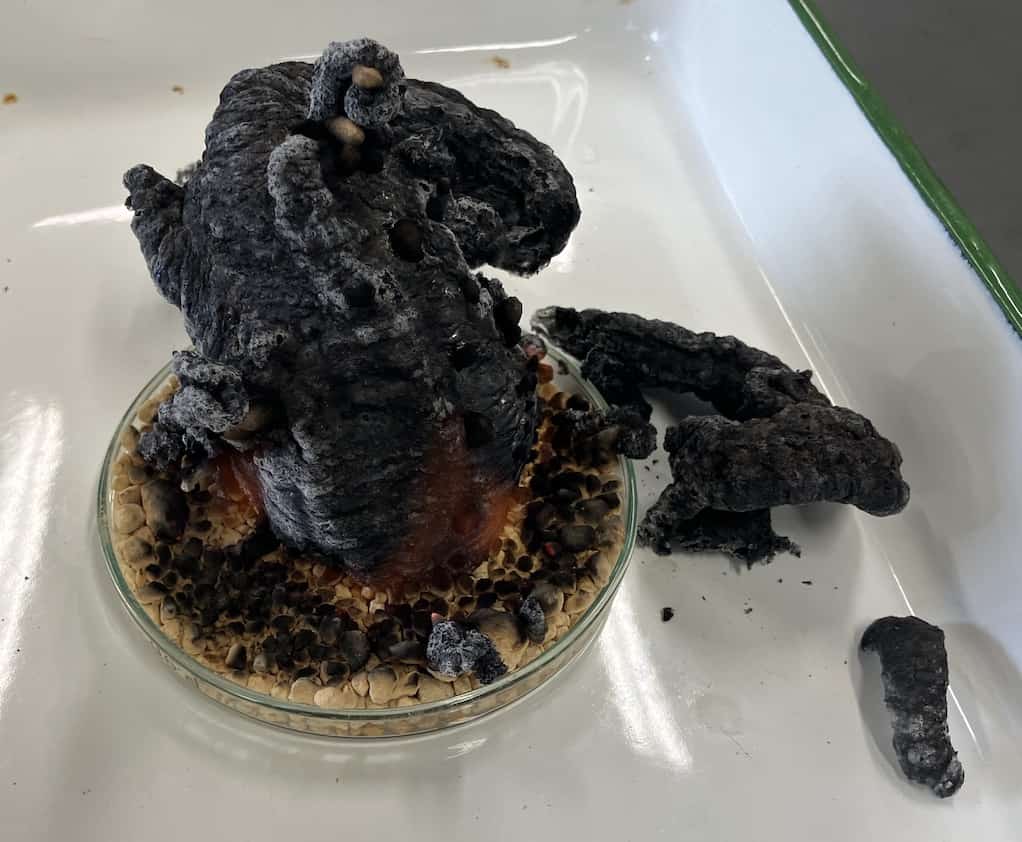
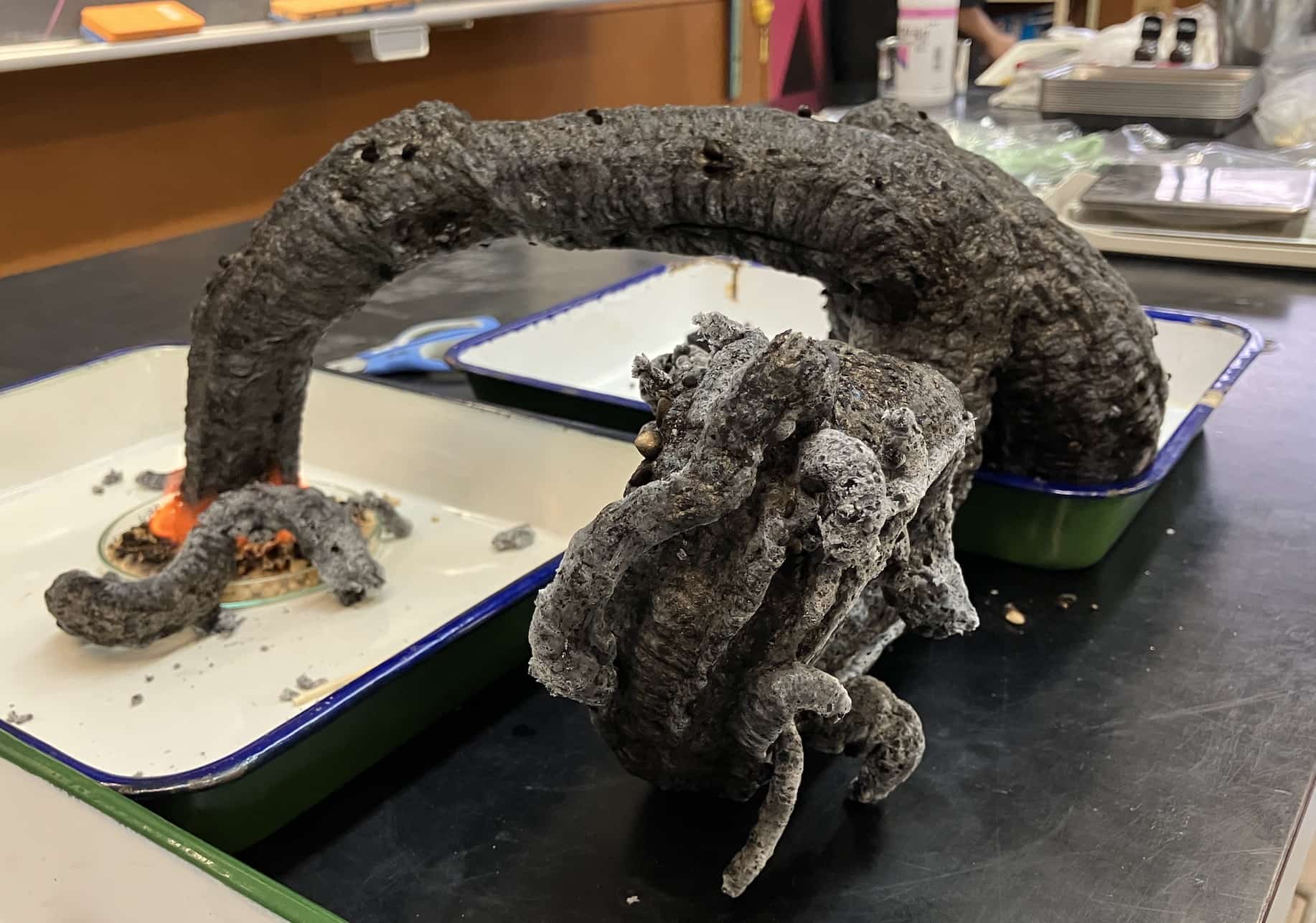
Through our testing, we discovered that thoroughly mixing the ingredients beforehand leads to a much more powerful and steady growth. Take a look at these photos of our most successful, almost artistic, Great Serpents.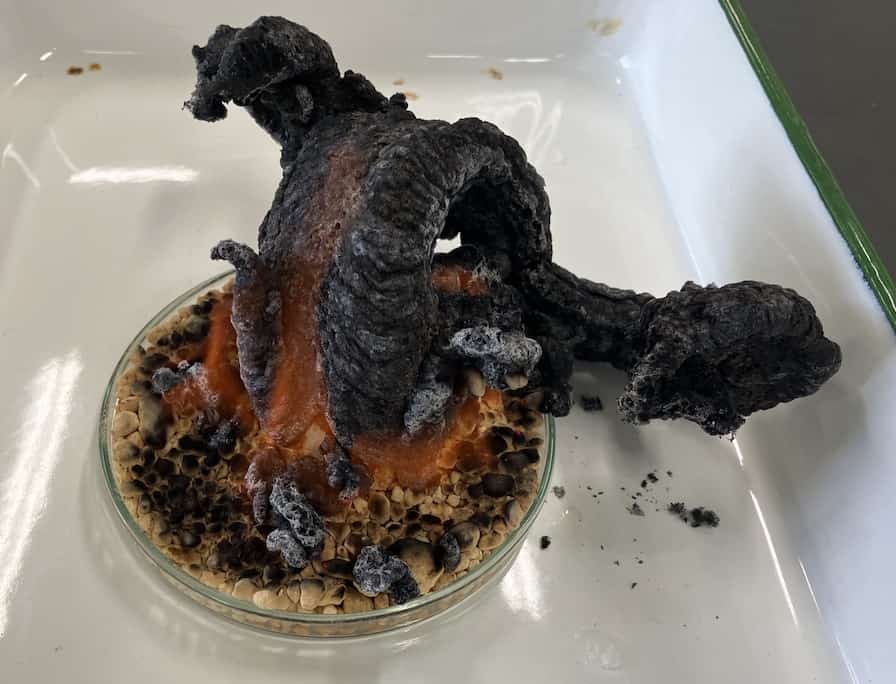
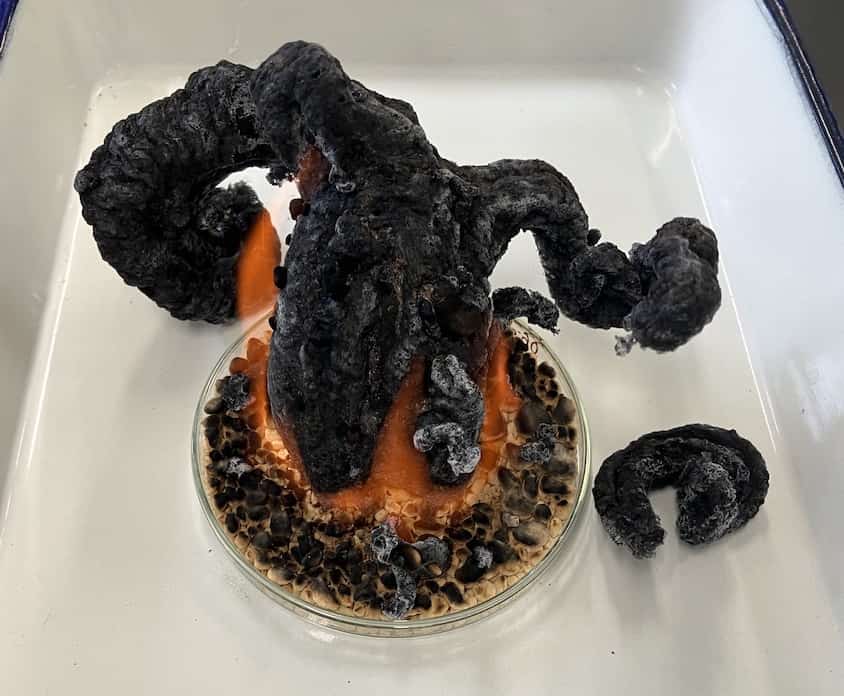
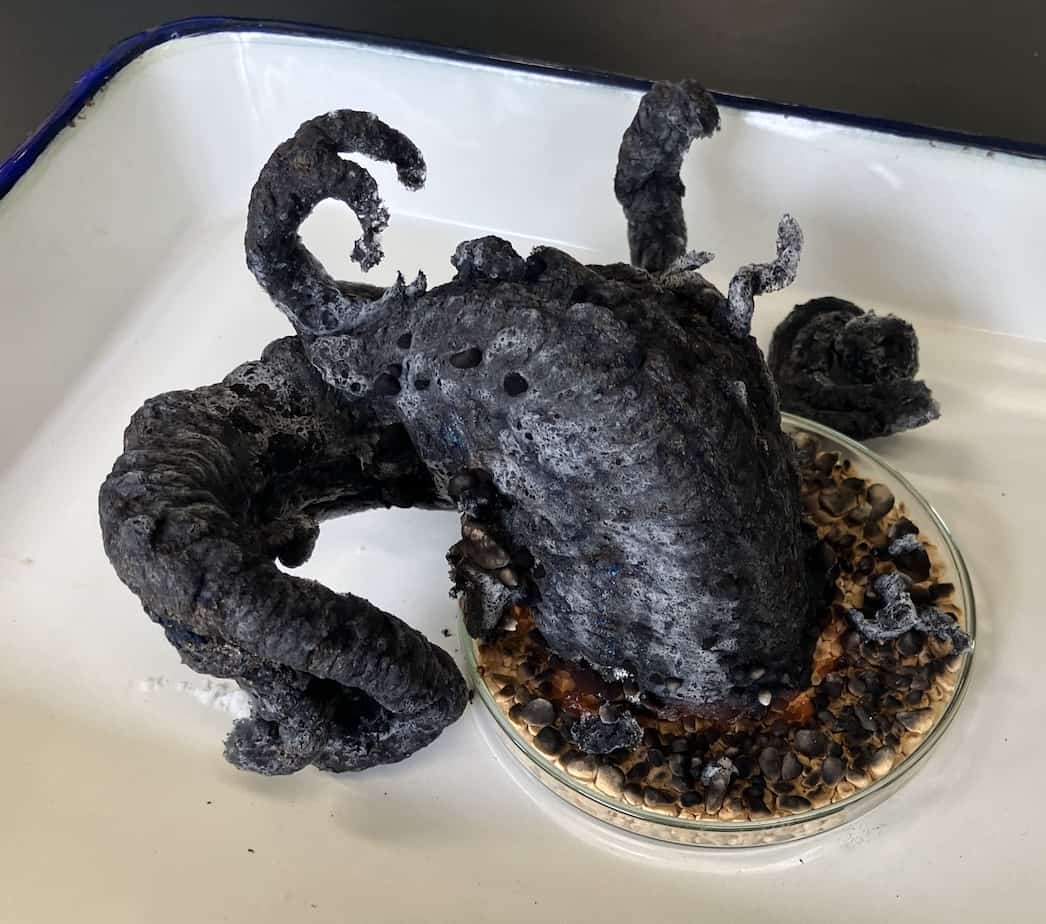 It’s breathtaking to watch them wriggle upward as if they’re actually alive. Some of the results even look like pieces of avant-garde art!
The Science Behind the Serpent
Once the experiment is over and the black snake has completely cooled down, give it a touch (be careful, wait until it’s cold!). It feels light and crispy, so fragile that it crumbles if you blow on it. This strange phenomenon is caused by two simultaneous chemical reactions: Carbonization and Gas Evolution.
1. Sugar Combustion and CarbonizationWhen you ignite the ethanol, the heat begins to melt the sugar. As the sugar continues to heat up, it decomposes, losing water molecules and turning into carbon. This carbon is what makes up the black body of the snake.
2. Thermal Decomposition of Baking SodaAt the same time, the baking soda (sodium bicarbonate) breaks down due to the heat. This reaction releases a sudden burst of carbon dioxide gas.

Thermal Decomposition of Baking Soda
3. Why does it grow?The carbon dioxide gas from the baking soda gets trapped inside the sticky, melted sugar-carbon. As the gas tries to escape, it pushes the carbon outward like a bunch of tiny balloons. This forces the structure to expand and grow into that long, snake-like shape. It’s the same principle that makes traditional honeycomb toffee puff up!
Snake fireworks are a fantastic way to feel the wonders of science firsthand. Why not try making them alongside some sparklers this summer? You’ll find a level of excitement and discovery that you just can’t get from staring at a textbook!
Inquiries and Services
I’m dedicated to making the wonders of science accessible to everyone! You can find many more fun home experiments and tips here on my site.
- Learn more about Ken Kuwako here.
- For business inquiries (writing, speaking, workshops, TV supervision, etc.), click here.
- Follow me on X (formerly Twitter) for the latest updates!
 Check out my experiment videos on the Science Material Channel!
9月のイチオシ実験!
テレビ番組監修・イベント等のお知らせ
- 9月25日(金)21:00〜 かまいたちの瞬間回答!にて、科学監修を行いました。
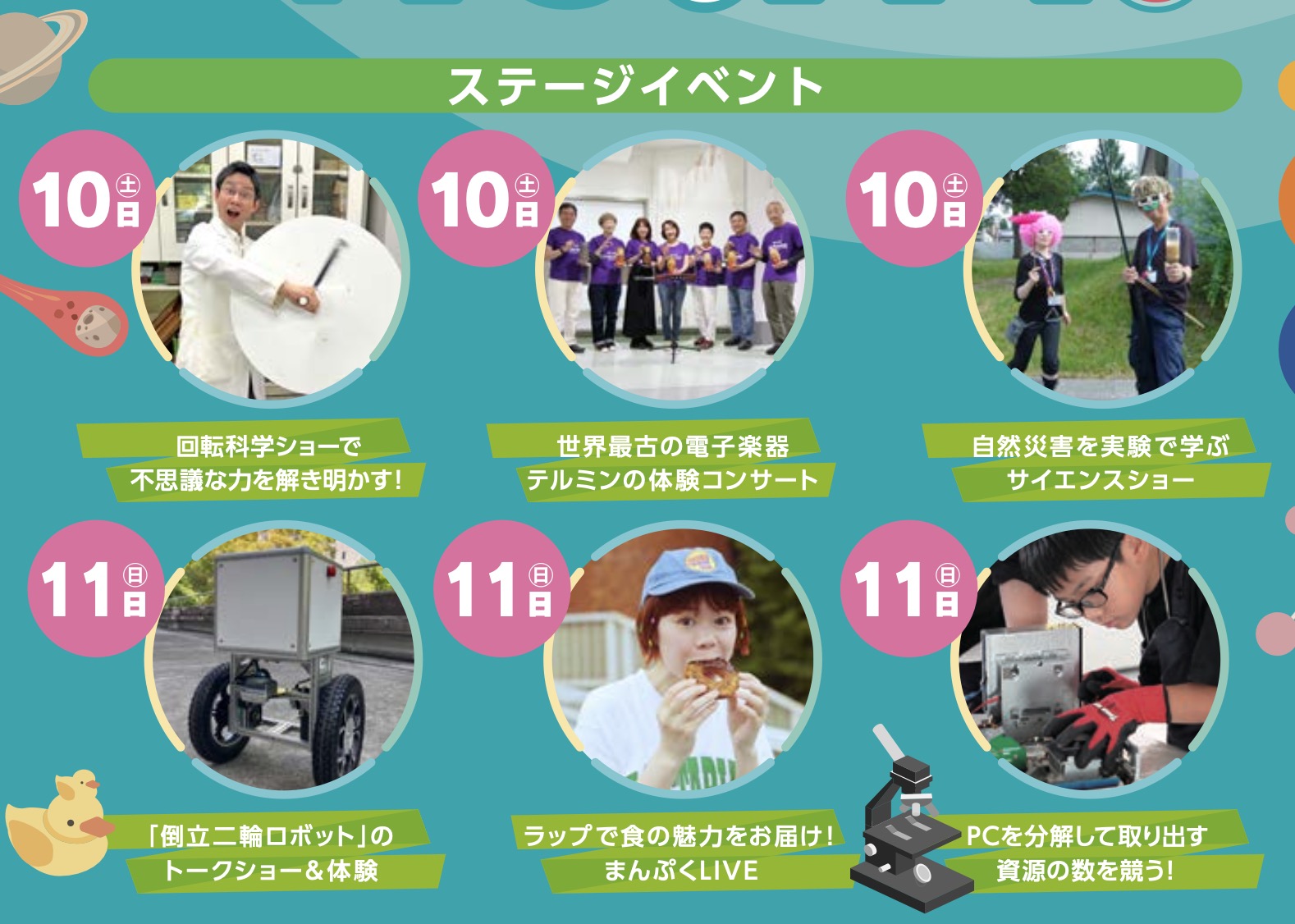
- 10月10日(土)11:15~12:00 千葉市科学フェスタ2026「桑子先生の回転科学ショー」にてサイエンスショーを行います。
- 12月26日(土) ナリカサイエンスアカデミー(教員向け実験講習会)開催
書籍のお知らせ
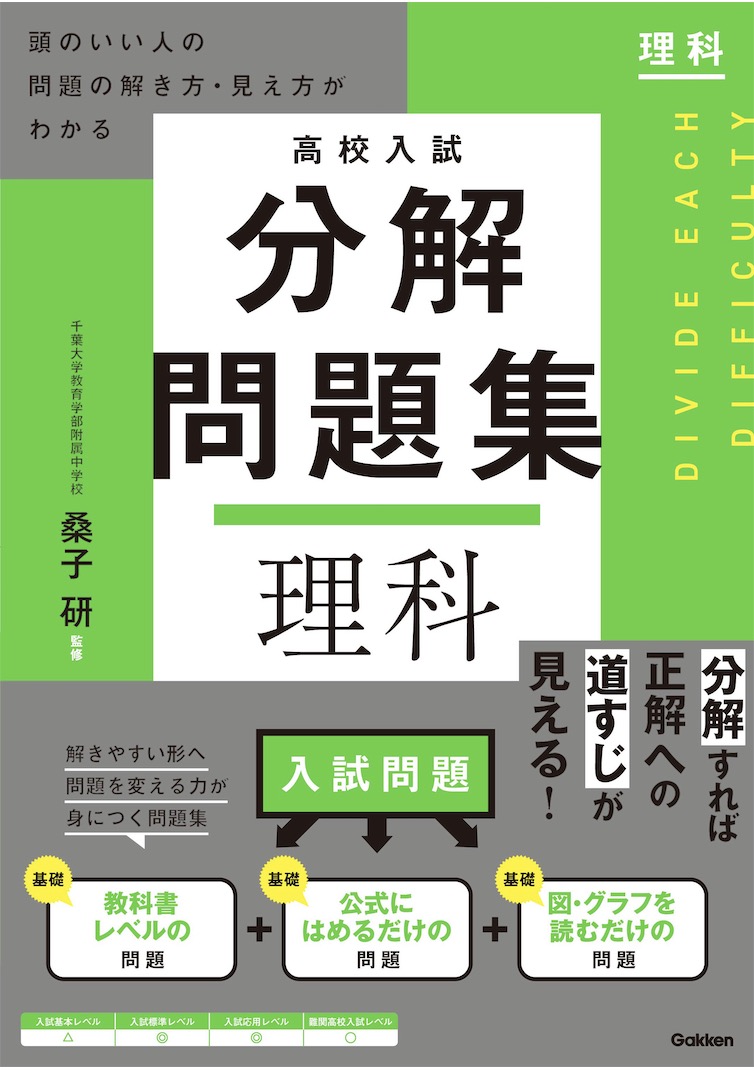
- 『高校入試 分解問題集 理科』(学研)…難しい問題も小さな問題に分解することで、問題を解くことができます。そんな分解の技術が身につくように深く関わりを持って作りました。
 『大人のための高校物理復習帳』(講談社)…一般向けに日常の物理について公式を元に紐解きました。特設サイトでは実験を多数紹介しています。※増刷がかかり6刷となりました(2026/02/01)

- 『きめる!共通テスト 物理基礎 改訂版』(学研)… 高校物理の参考書です。イラストを多くしてイメージが持てるように描きました。授業についていけない、物理が苦手、そんな生徒におすすめです。特設サイトはこちら。

各種SNS(更新情報をお届け!)
【日本語】X(Twitter)/instagram/Facebook 【英語】BlueSky/Threads
Explore
- 楽しい実験…お子さんと一緒に夢中になれるイチオシの科学実験を多数紹介しています。また、高校物理の理解を深めるための動画教材も用意しました。
- 理科の教材… 理科教師をバックアップ!授業の質を高め、準備を効率化するための選りすぐりの教材を紹介しています。
- Youtube…科学実験等の動画を配信しています。
- 科学ラジオ …科学トピックをほぼ毎日配信中!AI技術を駆使して作成した「耳で楽しむ科学」をお届けします。
- 講演 …全国各地で実験講習会・サイエンスショー等を行っています。
- About …「科学のネタ帳」のコンセプトや、運営者である桑子研のプロフィール・想いをまとめています。
- お問い合わせ …実験教室のご依頼、執筆・講演の相談、科学監修等はこちらのフォームからお寄せください。