The Love-Hate Relationship of Electrons: Make Your Hair Float with Just a Balloon!
I’m Ken Kuwako, your Science Trainer. Every day is an experiment.
That painful “ZAP!” when you take off your sweater in the winter. Or, the childhood memory of rubbing a plastic sheet on your hair and watching it float in a soft “WHOOSH.”
Everyone has experienced that mysterious phenomenon: Static Electricity. Today, I’m going to introduce a fun and super-easy experiment where you can visually experience the power of static electricity. All you need are your hair and just one balloon!
What You Need (Just two things!)
A balloon (Inflated. A dollar-store or bargain-bin balloon is perfectly fine!)
Your hair (It works best when dry)
The Experiment! Make Your Hair Stand Up
The experiment is incredibly simple. First, rub the balloon on your hair firmly and briskly. Make sure you cover the entire surface of your hair for about 10 seconds. Then, slowly pull the balloon away from your hair.


So, what happened? Your hair should be floating up, chasing the balloon! It looks as if your hair has fallen in love with the balloon and is being magically drawn to it.
Why? The “Attraction” and “Repulsion” of Static Electricity
This phenomenon is not magic, of course. It’s all the work of Static Electricity. When we rub the balloon on our hair, tiny, invisible particles called “electrons” move. In this particular experiment, electrons migrated from your hair to the balloon.
Your hair, having lost electrons, becomes “positively (+)” charged.
The balloon, having gained electrons, becomes “negatively (-)” charged.
As you may have learned in science class, electricity has a crucial rule: “Opposite charges (plus and minus) attract, and like charges (plus-plus, minus-minus) repel.” That’s why when you bring the negative balloon close, your positive hair is drawn to it as if to say, “I want to meet you!” But that’s not all. Since every single strand of hair is now positive, the individual hairs repel each other as if screaming, “Get away from me!” It’s the combined action of this “attraction” and “repulsion” that makes your hair stand straight up!
The Origin of “Electricity”: Amber
If you stop to think about it, it’s truly fascinating that objects move without being touched. People in ancient times were equally astonished. In ancient Greece, it was observed that when “amber” (a gemstone made of hardened tree resin) was rubbed with a cloth, it would attract light debris and feathers.
Since they didn’t know about electrons, people at the time believed it was a “magical force.” That makes perfect sense, doesn’t it?
And here’s the fun part: the English word for electric power, “Electricity,” is actually derived from the Greek word for amber, “ēlektron.” Yes, the “electron” we study today also comes from that same word.
Isn’t it a grand and romantic thought that the power of a substance once thought of as a “magic stone” became, over time, known as the true identity of the “electricity” that lights our homes and powers our smartphones?
Inquiries and Requests
Bring the wonder and fun of science closer to you! We’ve put together easy-to-understand guides on fun science experiments you can do at home, along with tips and tricks. Feel free to explore and search around! ・The content from the Science Idea Book has been published as a book. Find out more here ・About the administrator, Ken Kuwako, click here ・For various requests (writing, lectures, lab classes, TV supervision/appearances, etc.), click here ・Article updates are posted on X!
 We post experiment videos on the Science Idea Channel!
9月のイチオシ実験!
テレビ番組監修・イベント等のお知らせ
- 9月25日(金)21:00〜 かまいたちの瞬間回答!にて、科学監修を行いました。
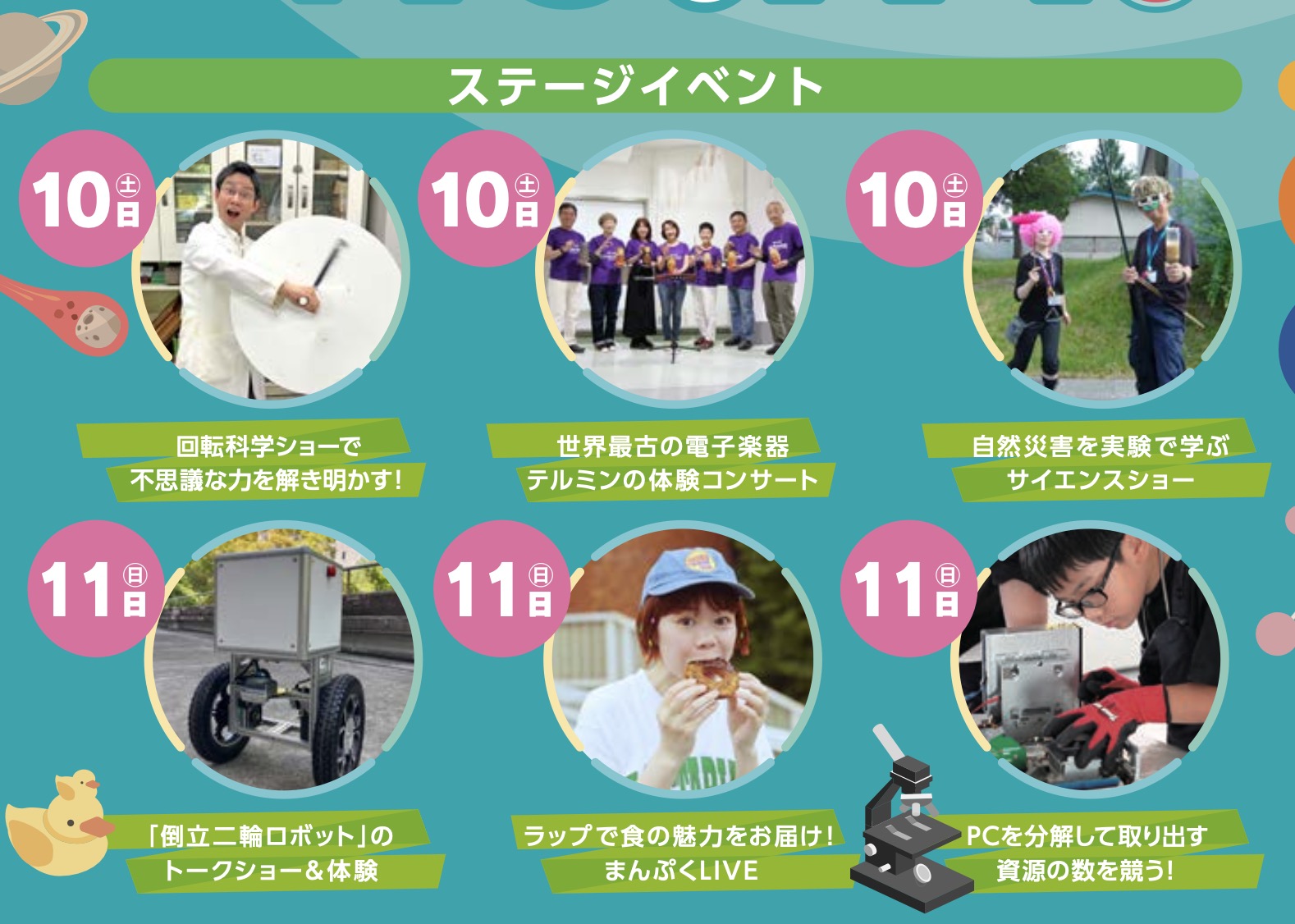
- 10月10日(土)11:15~12:00 千葉市科学フェスタ2026「桑子先生の回転科学ショー」にてサイエンスショーを行います。
- 12月26日(土) ナリカサイエンスアカデミー(教員向け実験講習会)開催
書籍のお知らせ
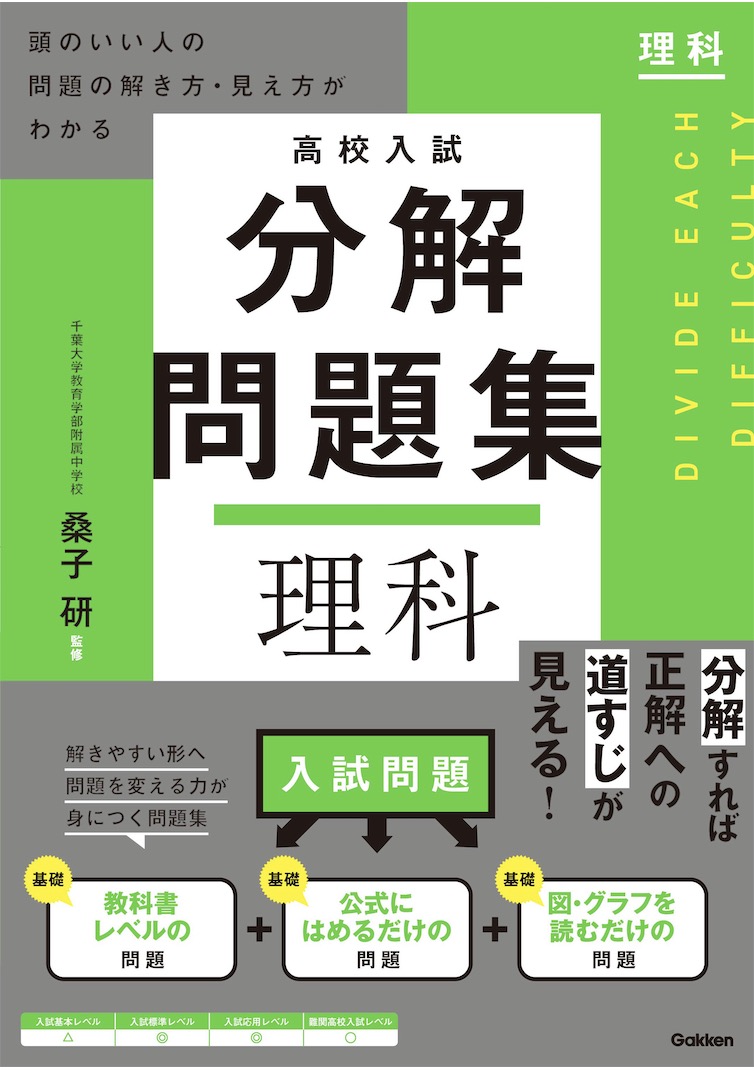
- 『高校入試 分解問題集 理科』(学研)…難しい問題も小さな問題に分解することで、問題を解くことができます。そんな分解の技術が身につくように深く関わりを持って作りました。
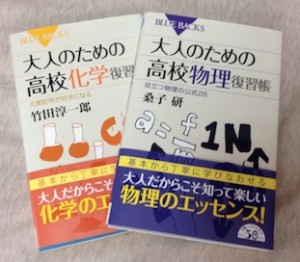
 『大人のための高校物理復習帳』(講談社)…一般向けに日常の物理について公式を元に紐解きました。特設サイトでは実験を多数紹介しています。※増刷がかかり6刷となりました(2026/02/01)
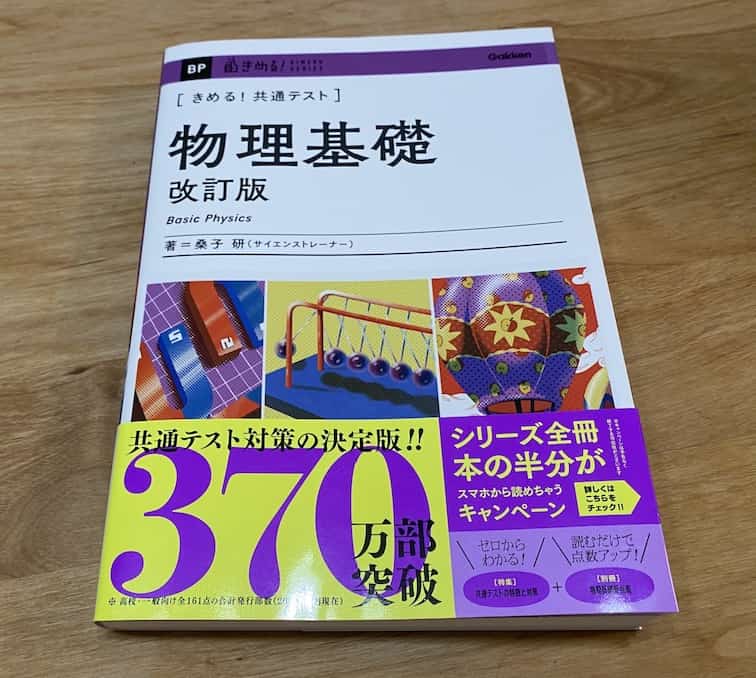
- 『きめる!共通テスト 物理基礎 改訂版』(学研)… 高校物理の参考書です。イラストを多くしてイメージが持てるように描きました。授業についていけない、物理が苦手、そんな生徒におすすめです。特設サイトはこちら。
各種SNS(更新情報をお届け!)
【日本語】X(Twitter)/instagram/Facebook 【英語】BlueSky/Threads
Explore
- 楽しい実験…お子さんと一緒に夢中になれるイチオシの科学実験を多数紹介しています。また、高校物理の理解を深めるための動画教材も用意しました。
- 理科の教材… 理科教師をバックアップ!授業の質を高め、準備を効率化するための選りすぐりの教材を紹介しています。
- Youtube…科学実験等の動画を配信しています。
- 科学ラジオ …科学トピックをほぼ毎日配信中!AI技術を駆使して作成した「耳で楽しむ科学」をお届けします。
- 講演 …全国各地で実験講習会・サイエンスショー等を行っています。
- About …「科学のネタ帳」のコンセプトや、運営者である桑子研のプロフィール・想いをまとめています。
- お問い合わせ …実験教室のご依頼、執筆・講演の相談、科学監修等はこちらのフォームからお寄せください。