Hear the Siren Shift! Recreate the Changing Sound of an Ambulance with Your Smartphone (The Doppler Effect)
I am Ken Kuwako, your science trainer. Every day is an experiment.
Have you ever noticed how an ambulance racing toward you with a high-pitched “Nee-naw!” suddenly shifts to a low, weary-sounding moan the moment it passes you?
It almost feels like the ambulance lost its motivation halfway through, but this is actually a dynamic physics phenomenon caused by the very nature of sound: waves. Today, I’m bringing you an exciting guide on how to experience this everyday mystery, the Doppler Effect, right at home using nothing but your smartphone!
Explore the Wonders of Sound: A DIY Guide to the Doppler Effect
The Doppler Effect is the change in frequency (pitch) of a sound as the source of that sound moves relative to the listener.
Sound travels through the air as vibrations—or waves. When a sound source moves toward you, it catches up to the waves it just sent out, bunching them together. This makes the gap between waves much shorter (shorter wavelength). Conversely, as it moves away, the waves are left behind and stretched out (longer wavelength).
Our ears interpret bunched-up waves as a high pitch and stretched-out waves as a low pitch. So, that sliding scale of sound from the ambulance isn’t the siren changing its tune; it’s proof of how waves are being compressed as they reach your ears.
First, let’s listen to the difference in this video. Notice how the sound of the railroad crossing changes depending on whether you are inside or outside the train.
And here is the classic sound shift of a real ambulance passing by.
https://www.youtube.com/watch?v=CdWV76rqPso
Did you hear it? You can clearly pinpoint the exact moment the pitch “drops.”
See it in Action: The Mechanism of Shrinking Waves
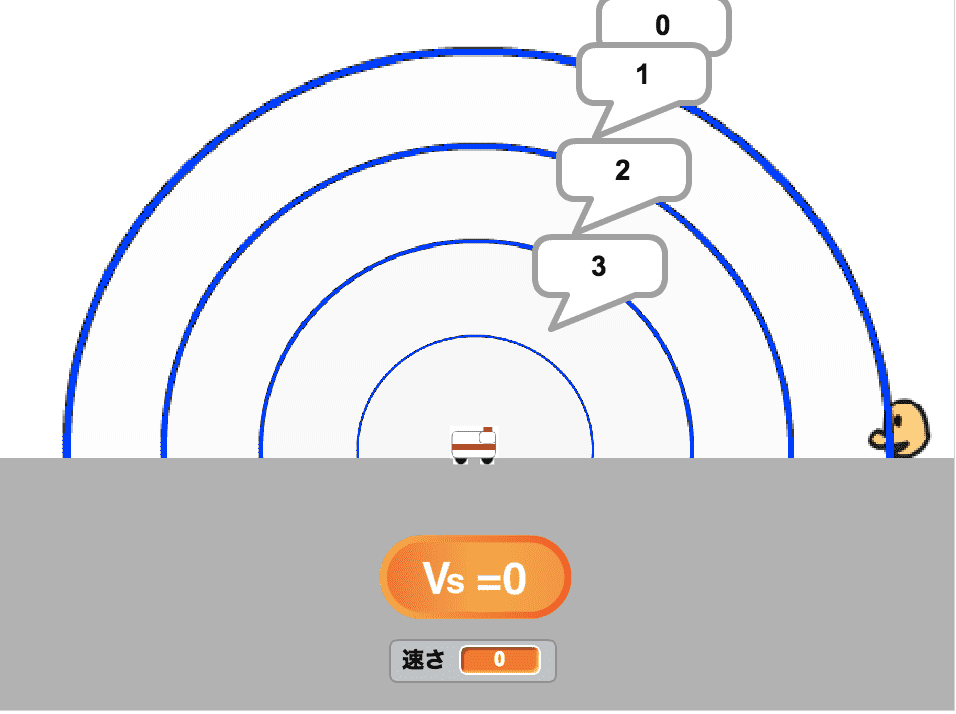
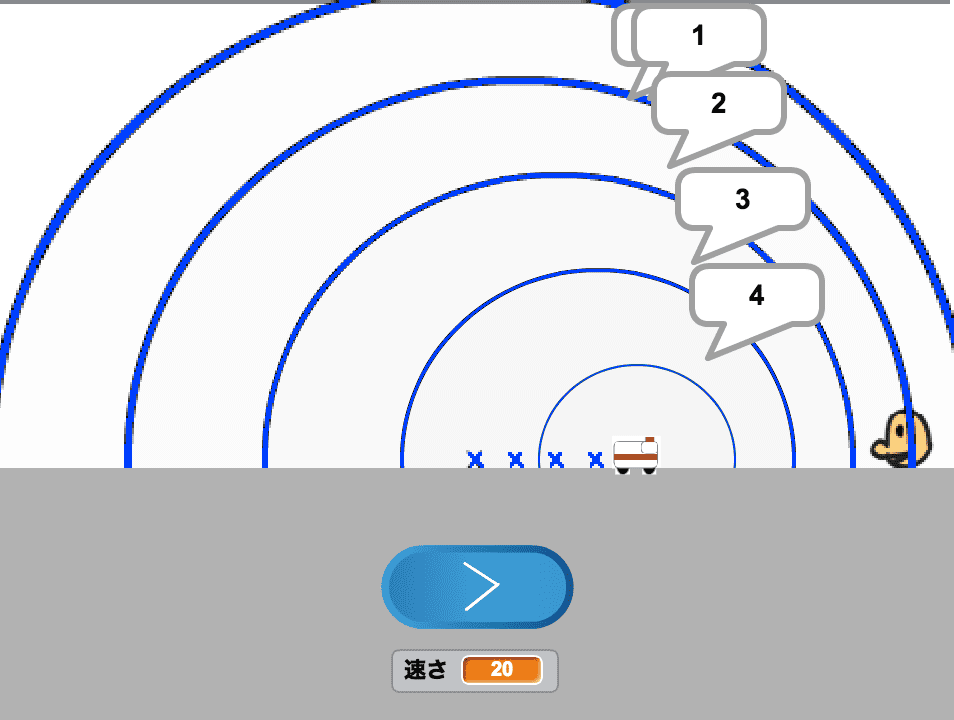
To help visualize why movement causes waves to compress, I created an interactive learning tool using the programming software Scratch. It shows a cross-section of an ambulance emitting sound waves as it drives. You can see for yourself how the “density of the waves” changes by moving the source in the simulation. Check it out here or through the embedded screen below.
When the sound source is stationary, the ripples are perfectly even in every direction.
However, when the source moves to the left, the waves it emits are pushed closer together in the direction of travel, shortening the distance between them.
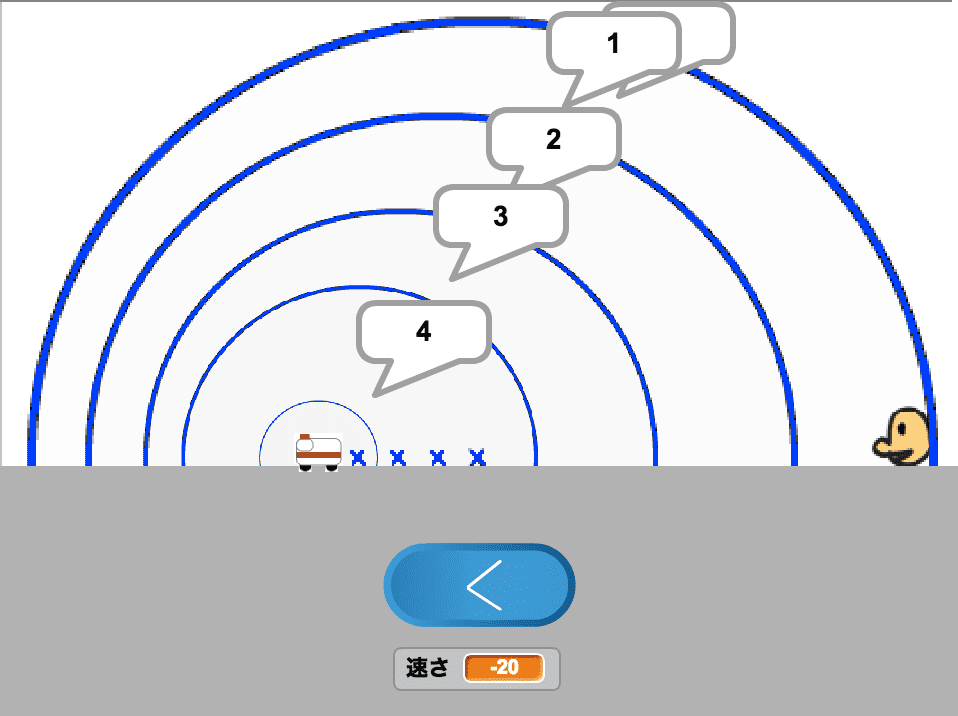
If you look at the right side as it moves away, you can see the waves being left behind, stretching further apart.
Grasping this visual intuition is the first step to enjoying physics. Now, let’s get hands-on with your smartphone!
The Science Recipe: Experience the Doppler Effect with Your Phone
Science labs often have expensive “Doppler effect tuning forks,” but you don’t need them. The best piece of lab equipment is already in your pocket.
The secret to clearly hearing the Doppler effect is to use a fairly high-pitched sound. We’ll use an app that can generate specific high-frequency tones.
What You’ll Need
- A smartphone (iPhone, etc.)
- A Tone Generator app (capable of producing a tone around 2000Hz)
Experimental Steps
- Launch the app and set the frequency to 1000Hz. You will hear a sharp, high-pitched beep.
- Hold your phone and have a friend stand in front of you.
- Quickly swing your phone back and forth toward and away from them.
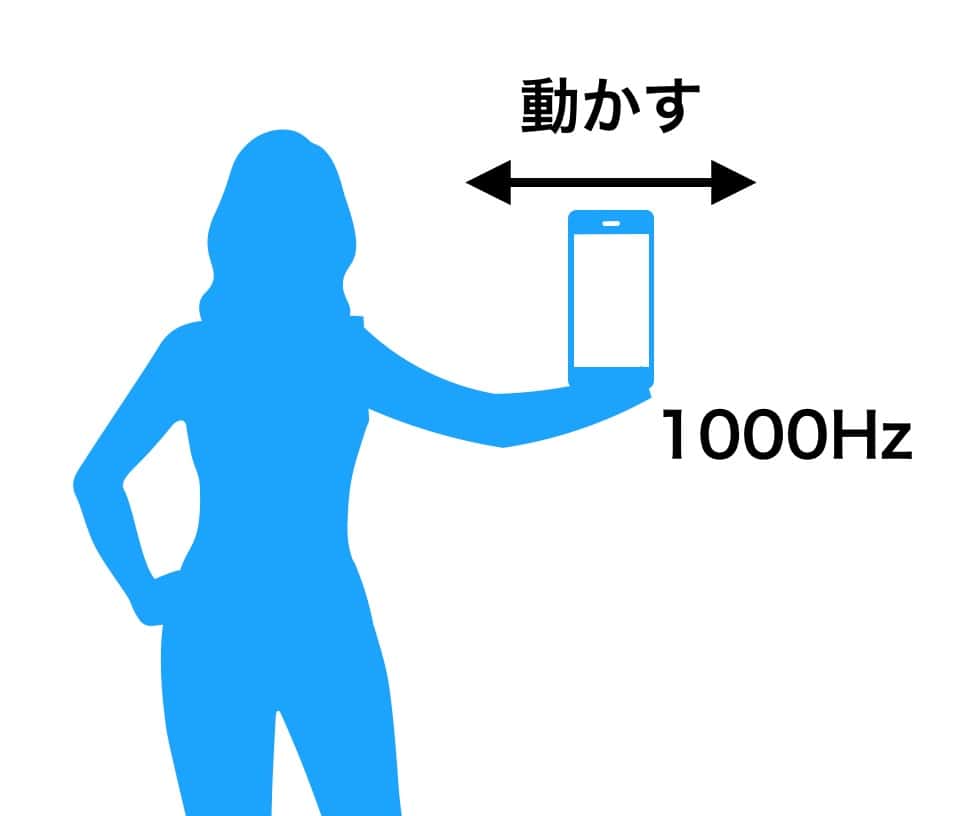
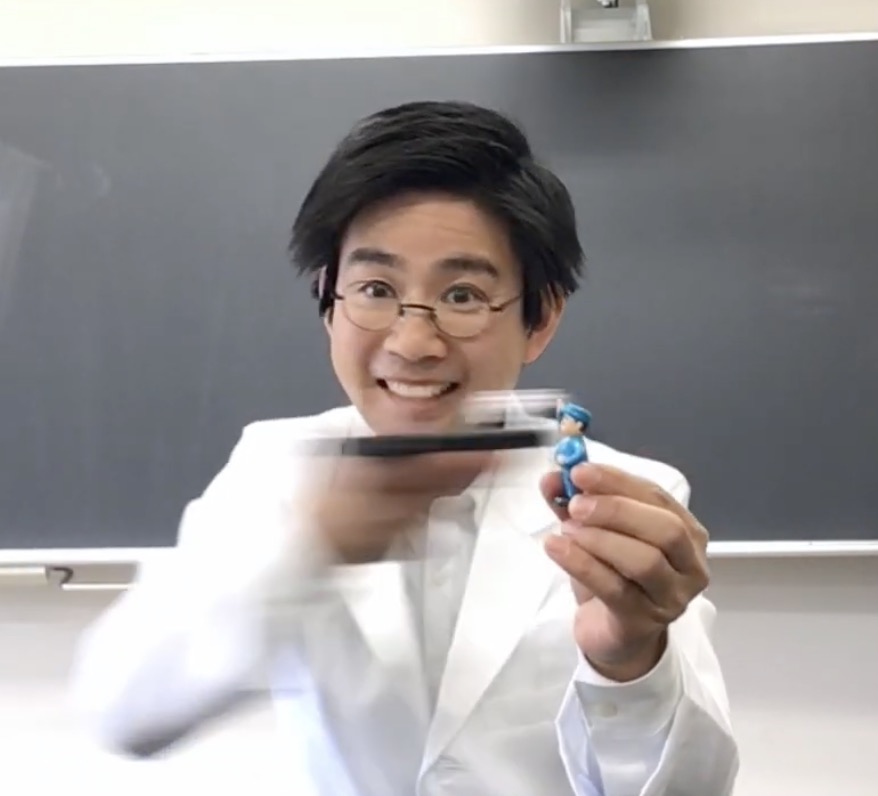
Here is a video of the phone experiment in action:
What did you hear? Every time the phone moves, the sound “wavers” or warps. It’s important to note that this isn’t just the volume changing—it’s the pitch (frequency) itself shifting.
If you have a turntable or a rotating stand at home, try placing the phone on it and spinning it. You’ll be able to hear a much smoother, continuous shift in sound.
Summary and Tips
The best part of this experiment is being able to “recreate” a phenomenon we usually only hear by chance. The pitch goes up as the phone approaches and drops as it moves away. This simple rule is the same one scientists use to observe the universe (like figuring out that distant galaxies are moving away from us!). Just remember to hold your phone tightly and be careful not to bump into anyone or anything while you’re swinging it!
I go into more detail on this experiment in my book, “High School Physics Review Notebook.” Check out this special page for more info.
Inquiries and Requests
Bringing the wonders of science closer to you! I share fun DIY experiments and easy-to-understand tips for exploring the world. ・Learn more about the author, Ken Kuwako, here. ・For requests (writing, lectures, workshops, TV supervision, etc.), click here. ・Get the latest updates on X (formerly Twitter)!
 Find more experiment videos on the Science Material Channel!
9月のイチオシ実験!
テレビ番組監修・イベント等のお知らせ
- 9月25日(金)21:00〜 かまいたちの瞬間回答!にて、科学監修を行いました。
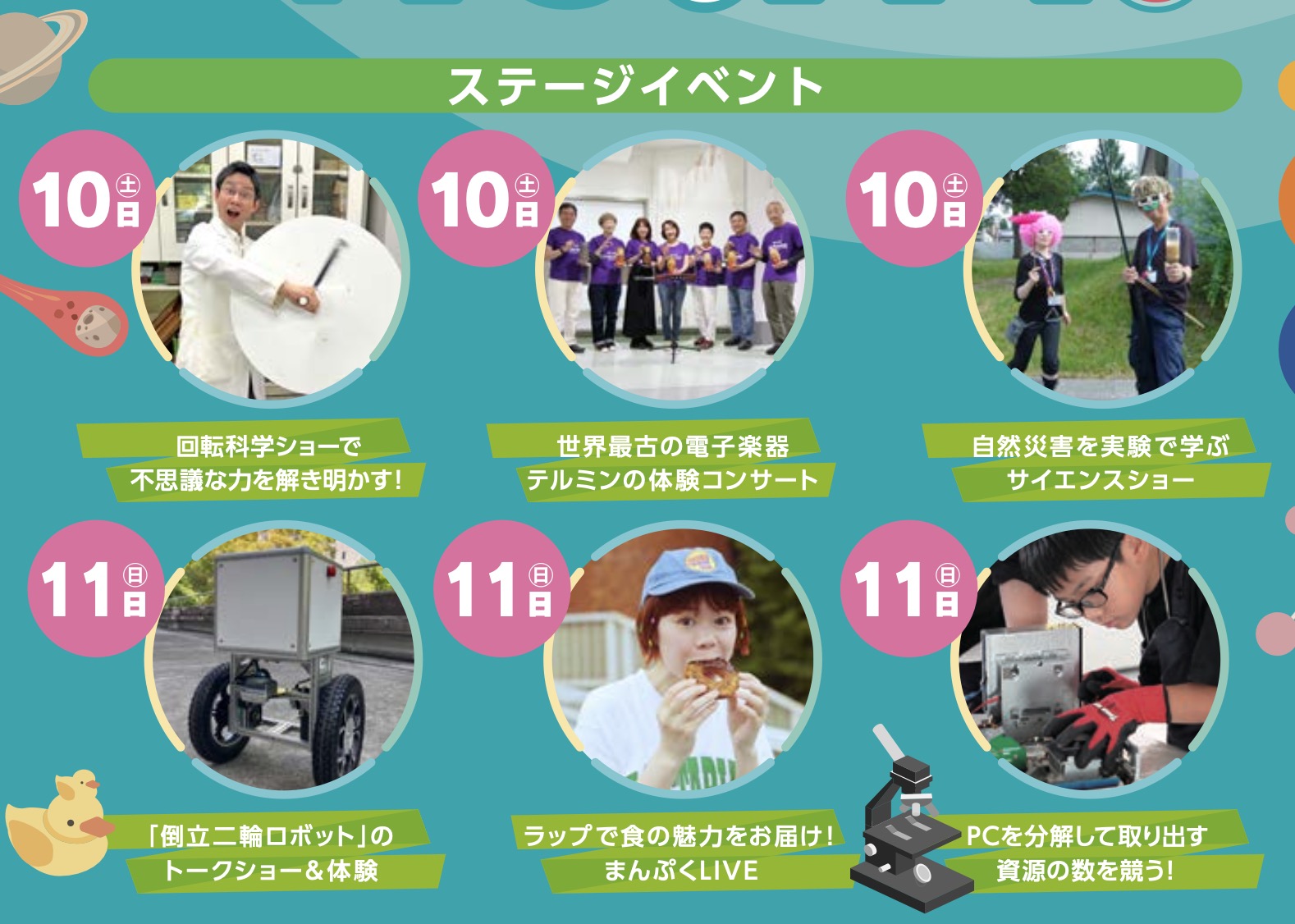
- 10月10日(土)11:15~12:00 千葉市科学フェスタ2026「桑子先生の回転科学ショー」にてサイエンスショーを行います。
- 12月26日(土) ナリカサイエンスアカデミー(教員向け実験講習会)開催
書籍のお知らせ
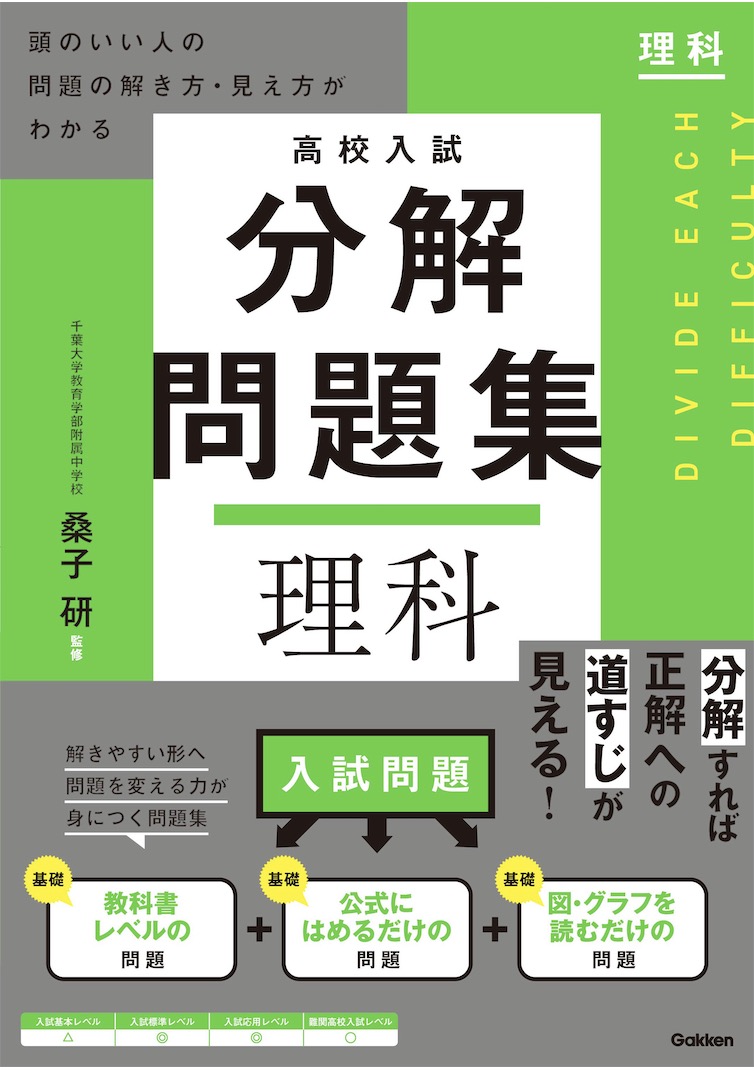
- 『高校入試 分解問題集 理科』(学研)…難しい問題も小さな問題に分解することで、問題を解くことができます。そんな分解の技術が身につくように深く関わりを持って作りました。
 『大人のための高校物理復習帳』(講談社)…一般向けに日常の物理について公式を元に紐解きました。特設サイトでは実験を多数紹介しています。※増刷がかかり6刷となりました(2026/02/01)

- 『きめる!共通テスト 物理基礎 改訂版』(学研)… 高校物理の参考書です。イラストを多くしてイメージが持てるように描きました。授業についていけない、物理が苦手、そんな生徒におすすめです。特設サイトはこちら。

各種SNS(更新情報をお届け!)
【日本語】X(Twitter)/instagram/Facebook 【英語】BlueSky/Threads
Explore
- 楽しい実験…お子さんと一緒に夢中になれるイチオシの科学実験を多数紹介しています。また、高校物理の理解を深めるための動画教材も用意しました。
- 理科の教材… 理科教師をバックアップ!授業の質を高め、準備を効率化するための選りすぐりの教材を紹介しています。
- Youtube…科学実験等の動画を配信しています。
- 科学ラジオ …科学トピックをほぼ毎日配信中!AI技術を駆使して作成した「耳で楽しむ科学」をお届けします。
- 講演 …全国各地で実験講習会・サイエンスショー等を行っています。
- About …「科学のネタ帳」のコンセプトや、運営者である桑子研のプロフィール・想いをまとめています。
- お問い合わせ …実験教室のご依頼、執筆・講演の相談、科学監修等はこちらのフォームからお寄せください。